Taxes and Finances for the Freelance Photographer
Freelance photographer finances: how to separate accounts, set aside money for taxes, plan irregular income and prepare for the slow season.
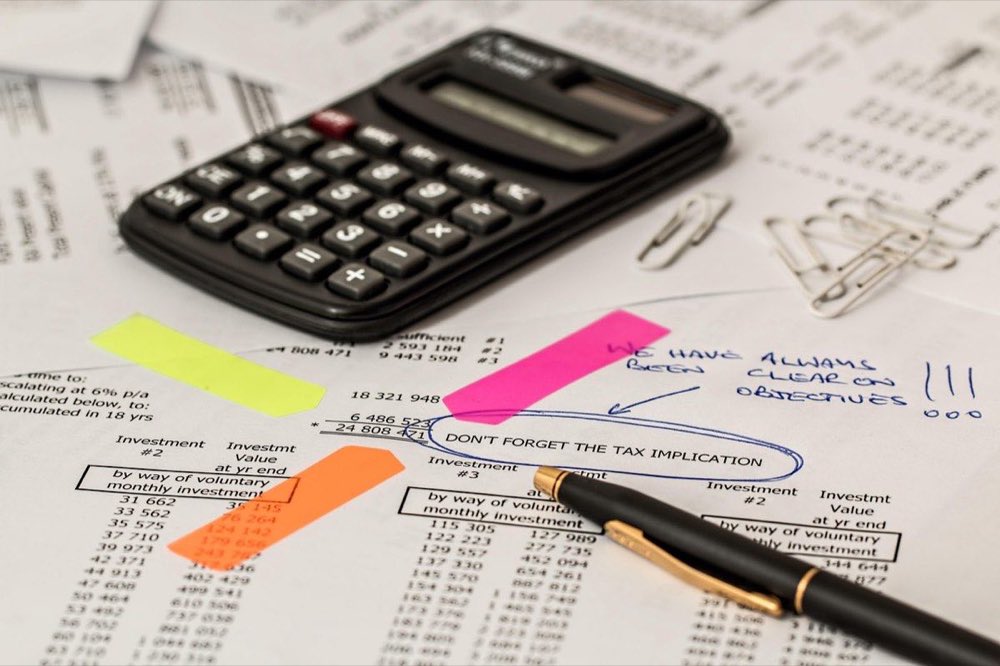
The finances of a freelance photographer carry a challenge that an employee on a fixed salary doesn't face: irregular income, variable gear expenses and a predictable slow season every year that still surprises anyone who didn't plan for it. Earning good money in December and falling short in February is not bad luck: it is the normal seasonality of the trade, and it can be planned for.
The most common mistake is not earning little, it is spending as if the strongest month of the year were the average of all months. The second cause of financial stress is never setting money aside for taxes, and discovering the debt only when the annual return arrives.
Important notice: taxes, tax regimes and obligations vary greatly by country. This article covers general principles of freelance finance, applicable in most Spanish-speaking countries; for your specific situation, consult a local accountant. The guide to photography business and marketing places these finances within the full operation of your business.
Separate three accounts before anything else
The first financial habit of any freelancer, without exception, is to separate money by function:
Operating account: where client payments come in and business expenses go out (gear, software, work transportation).
Tax account: a fixed percentage of every payment is transferred here immediately, automatically if possible. It is not touched for anything else.
Personal account (your "salary"): you pay yourself a fixed monthly amount from the operating account, as if you were your own employee, instead of spending directly from the business's income.
This simple system solves most of a freelancer's financial problems: you never know whether you "have money" by looking at the total balance, because part of that balance already has an owner (the tax authority) and another part is working capital, not personal profit. That same discipline of separating the professional from the personal is the basis of a sustainable career, as explained in authentic personal brand: reputation and lasting relationships.
Set aside money for taxes from the first payment
The habit that avoids the most problems: set aside a percentage of every payment for taxes the moment it comes in, not at the end of the month or the end of the year. A generic reference range (adjust it with your accountant according to your regime) is to set aside between 10% and 30% of every gross income.
Situation: Simplified regime with low rates; Suggested reserve percentage: 10–15%; Reason: Lower tax burden, but check for additional fixed fees
Situation: General regime with progressive tax; Suggested reserve percentage: 20–30%; Reason: Higher burden depending on income level
Situation: Regime not yet certain; Suggested reserve percentage: 25% as a conservative cushion; Reason: Better too much than too little while you work it out with your accountant
Automate the transfer if your bank allows it: a rule of "when a client payment is received, automatically move X% to the tax account" removes the temptation to spend it ahead of time.
Plan for the slow season with a reserve fund
The seasonality of photographic work is predictable in most markets: December and high-season weddings generate strong income, while certain months of the year (often after holidays, or during school vacation periods) drop sharply.

Calculate your minimum monthly living and business expenses. That number is your reserve fund goal.
Target reserve fund: 3 to 6 months of minimum expenses. Build it by setting aside a fixed percentage from the strong months, not by waiting for something to be "left over" at the end.
Use the data from your own previous years (if you have it) to anticipate which months will be slow and plan marketing or promotions right before those gaps, with the same logic of sustainable pricing described in selling photos without selling your soul: pricing, marketing and service.
Without this fund, any unexpected event (a gear repair, a month with few inquiries) becomes a crisis; with it, it becomes a normal variation of the business.
Deductible expenses and record keeping: the discipline that saves money
In most tax regimes for freelancers, certain business expenses reduce the base on which taxes are calculated. The exact details (what qualifies, what percentage, what documentation is required) depend entirely on your country, but the universal habit is the same:
Keep every receipt for a business-related purchase: gear, software, courses, transportation to sessions, part of the internet or workspace if applicable.
Record each expense at the time, not from memory at the end of the year. A simple spreadsheet with date, description, amount and category is enough to start.
Separate personal expenses from business expenses without exceptions, even small ones. Mixing categories is the most common cause of errors in the tax return and of arguments with your accountant.
Check with your accountant what percentage of mixed expenses (like the phone or home internet) you can deduct, since the rules vary greatly between countries.
Frequently asked questions
How much should I earn before I worry about all this?
From the first recurring income. The habits of separating accounts and setting aside money for taxes cost the same to implement with small income as with large income, and they keep the problem from growing along with your business.
What do I do if I already spent the money I was supposed to set aside for taxes?
Talk to your accountant immediately to understand installment or deadline options, if your country offers them, and from now on automate the reserve so it doesn't happen again. Ignoring the problem only increases the penalties.
Is it worth having an emergency fund separate from the slow-season fund?
Ideally yes, although when starting out you can merge them into a single cushion and separate them when the business grows. What matters is that at least one fund exists, not the perfect distinction between categories.
How do I keep the books if my income is very irregular from month to month?
Calculate your average over the last 6–12 months and pay yourself a fixed "salary" based on that average, leaving the surplus from the good months in the operating account as a cushion for the slow months, instead of spending each month according to what came in.
Three accounts and a reserved percentage
A freelance photographer's finances don't require complex formulas: they demand three separate accounts, a percentage set aside for taxes from the first payment and a fund built in the strong months to sustain the slow ones. The seasonality of the trade is predictable; it only needs to be planned with the same discipline with which you plan a session.
Open the separate tax account today and transfer the first percentage of your next payment. At Enfogram you will find the 44 photography cards with the exact settings for every situation: print them, carry them with you and shoot with confidence, knowing your business is as organized as your technique.