Photography Trends for 2027
Analysis of 2027 photography trends: computational photography, AI-assisted editing, mirrorless evolution and photo-video hybrids.
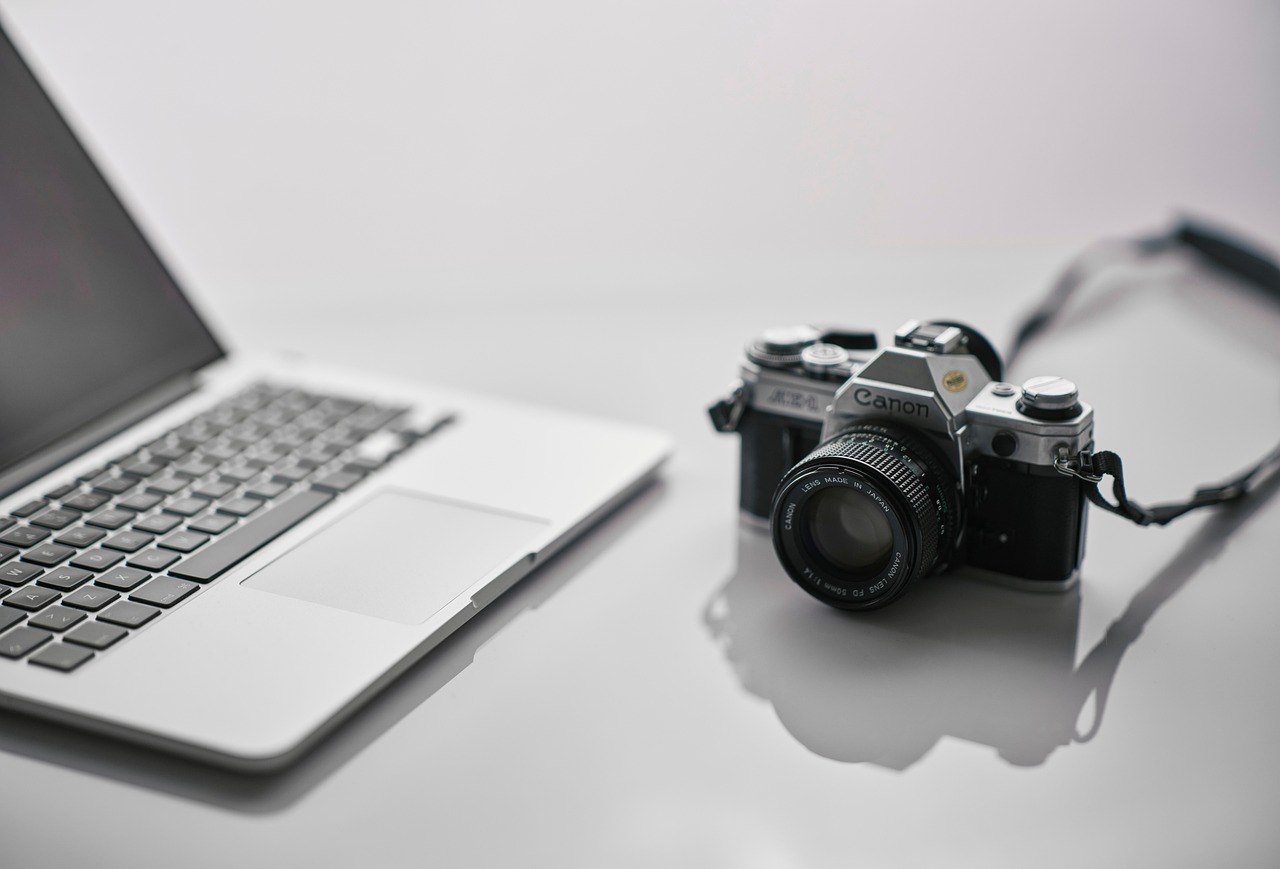
Every year-end brings lists of predictions that mostly don't age well. This analysis of 2027 photography trends tries the opposite: to identify directions already under way, with visible evidence in the market and in photographers' real behavior, instead of inventing speculative novelties. There are no invented statistics here, only a reading of where the tools that already exist are pointing.
Four currents concentrate most of the real change: computational photography, which already dominates the mobile segment and is moving toward dedicated cameras; AI-assisted editing, which redefines the post-production workflow; the maturing of the mirrorless system as the standard (not as a novelty); and the increasingly blurred fusion between photo and video capture in a single workflow.
None of these trends replaces technical fundamentals; they redefine them. Knowing where they are heading decides where you invest learning time and equipment money, without chasing every product announcement.
Will computational photography reach dedicated cameras?
Computational photography (combining multiple exposures, depth maps and algorithmic processing to build a single final image) has been the standard in mobile photography for several years: night mode that stacks exposures, automatic HDR, software-simulated depth of field. What is under way is its migration toward high-end dedicated cameras, which are beginning to incorporate computational processing as a complement to, not a replacement for, traditional optics.
This does not eliminate the value of understanding exposure, real aperture and light: on the contrary, it makes it more relevant, because distinguishing when processing genuinely helps and when it introduces artifacts (halos in aggressive HDR, plastic skin in software portrait mode) requires technical judgment that automation alone does not replace. The fundamentals of dynamic exposure that these techniques try to imitate are explained in the guide to contemporary trends and the digital future, which places this shift in historical context.
What does AI editing change in your workflow?
Artificial intelligence editing tools (automatic subject and sky selection, generative fill, skin correction, smart upscaling) are already part of the standard workflow of any modern editing software. The trend for 2027 is not that more features will appear (that is a given), but that the line between "editing" and "generation" becomes an explicit ethical and professional decision: how much generated content, rather than captured content, is acceptable to declare as photography.
For the practical photographer, this translates into two new skills of growing value: knowing how to use these tools to save time on mechanical tasks (selections, spot cleanup, complex masks) and knowing when to decline to use them in order to preserve the documentary authenticity of an image, especially in photojournalism, weddings and portraiture. The underlying editorial judgment (what is edited and what is preserved) is developed in detail in photo editing: from RAW to the final look with naturalness.
Mirrorless as an established standard, not a novelty
The transition from DSLR to mirrorless, which dominated the technical conversation of the past decade, has effectively ended: the main manufacturers concentrate their development of new lenses and bodies almost entirely on mirrorless mounts. The trend for 2027 is not the transition itself, but its practical consequence: the used DSLR equipment market settles at lower prices (a real opportunity for anyone starting on a limited budget), while subject-detection autofocus (people, animals, vehicles) becomes so precise that it genuinely changes what kind of photography is accessible to an enthusiast, especially in sports and wildlife.
Photo and video hybrids: a single workflow
More and more photographers deliver both still images and short video from the same session: weddings with a video teaser, portraits with clips for social media, events with both deliverables. The established trend is that mid-range and high-end cameras no longer distinguish so clearly between "photo camera" and "video camera": the same sensors, cards and workflows serve both.
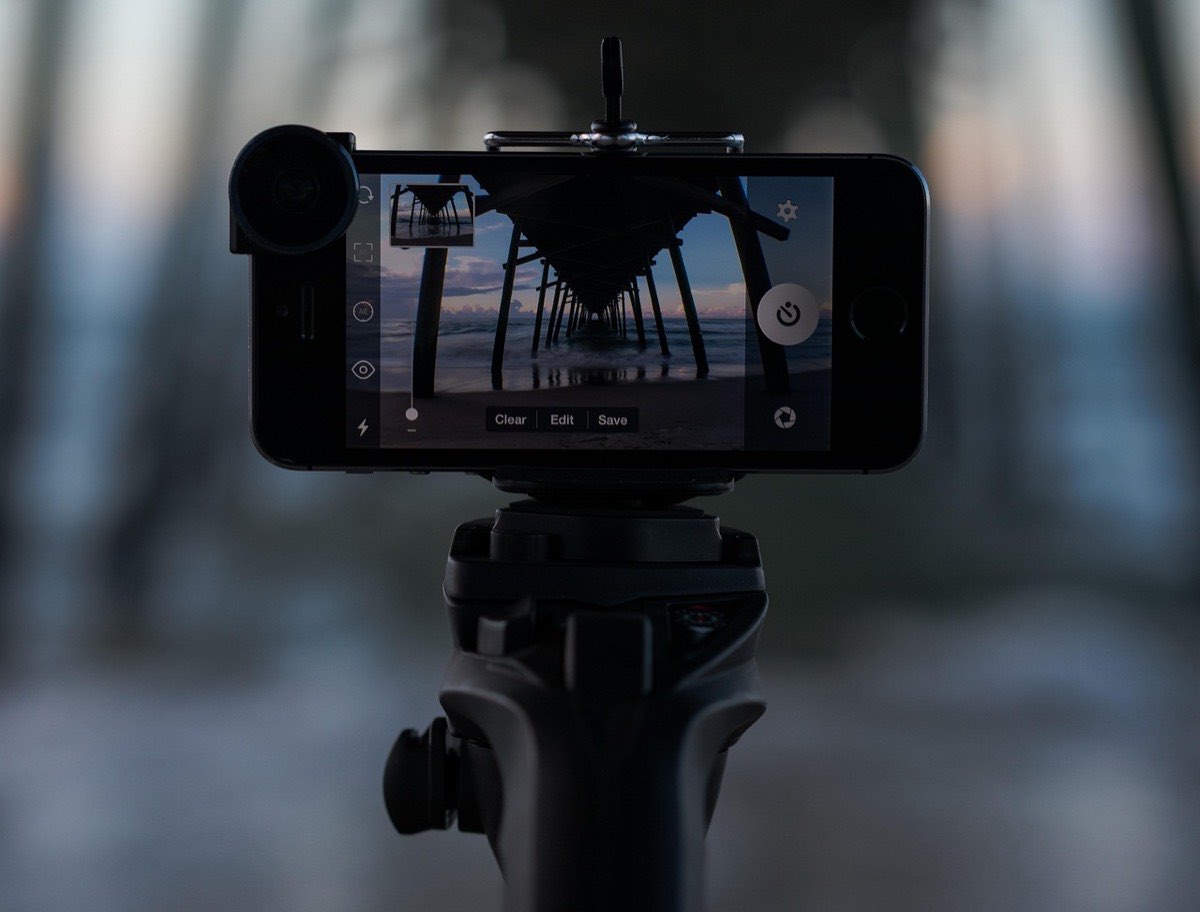
This pushes concepts that used to be exclusive to video (frame rate, color log, electronic stabilization) to become relevant also for the still photographer who wants to offer a complete service, something already common in the coverage of outdoor family sessions where clients ask for both formats from a single appointment. It is not mandatory to adopt it, but ignoring it completely reduces the service options you can offer a client.
Summary table: what changes and what stays
Trend: Computational photography; What changes: More algorithmic processing at capture; What does NOT change: The need to understand light and exposure
Trend: AI editing; What changes: Faster tools for mechanical tasks; What does NOT change: The editorial judgment about what is honest to show
Trend: Established mirrorless; What changes: Very precise subject-detection autofocus; What does NOT change: The fundamentals of composition and moment
Trend: Photo/video hybrids; What changes: A combined workflow; What does NOT change: The value of the still image as a form in its own right
Trend: Printing and physical objects; What changes: It remains a counterpart to the digital; What does NOT change: The photo book and the printed copy don't lose relevance
What won't change in 2027?
None of these trends replaces knowing how to read light, anticipate a moment or compose with intention. New tools expand what is possible, but the photographer who understands the exposure triangle, the direction of light and the timing of a scene still has an advantage over someone who only trusts automatic processing to correct basic errors.
Frequently asked questions
Should I worry that AI will replace the photographer?
AI image generation is a different tool from documentary photography of a real moment: they serve different purposes. Demand for authentic photography of real events, people and places doesn't disappear because image generators exist; if anything, it raises the value of the verifiably real.
Is it worth switching from DSLR to mirrorless in 2027?
If your current DSLR meets your needs, there is no technical urgency. If you are about to buy new or used equipment, the mirrorless ecosystem already concentrates the development of lenses and accessories, which makes it the option with the best future outlook.
Do I need to learn AI editing to stay competitive?
Learning the features that save mechanical time (selections, cleanup) makes immediate practical sense. You don't need to master image generation if your work is documentary or honest portraiture; there the value is in the capture, not in later generation.
Will video replace still photography?
No: they are different languages with different uses (a still image is consumed differently from a video). What is growing is the demand that one photographer be able to deliver both formats from a session, not that one replace the other.
Where to put your learning hours
More assisted processing, established mirrorless and photo and video in the same workflow: that is what is coming, and none of the three saves you from knowing how to read light. Divide your time accordingly. Tools change names every decade; light, composition and moment remain the photographer's real work. At Enfogram you will find the 44 photography cards with the exact settings for every situation: print them, carry them with you and shoot with confidence.