Street Photography: Rights and Ethics
Street photography rights: what you can photograph in public spaces, when you need consent and how to act ethically.
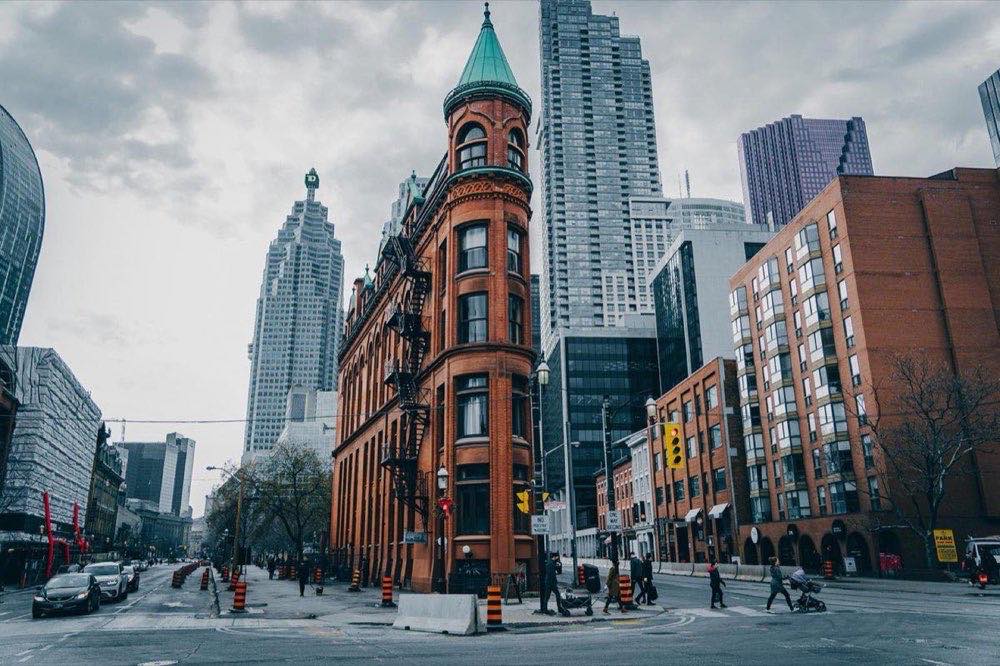
You raise your camera toward a perfect scene in the square and doubt freezes you: can I photograph this person? Can I publish the photo? Street photography rights are the unfinished homework of many urban photographers: they shoot with fear or, worse, with unfounded confidence about what the law allows.
Reality has nuances: regulation changes by country, and what is legal and what is ethical don't always coincide. A solid street photographer knows the general framework, the dangerous exceptions and, above all, has a personal code of ethics that lets them work with a clear conscience and a clean camera alike.
What can I photograph on the street?
In most Western countries a basic principle applies: in public space you can photograph what is in plain view, including people, as part of freedom of expression and information. Streets, squares and parks are, in general, photographable territory.
But the nuances matter and vary by jurisdiction:
In some countries (France, Germany, Switzerland) the right to one's own image is strong: photographing may be legal, but publishing a recognizable portrait of someone without consent may not be.
In much of Latin America mixed criteria apply: capture in public is usually tolerated; publication for commercial purposes requires authorization.
Places that look public but are private property (shopping malls, stations, museums) have their own rules: there the owner rules and can forbid you from photographing.
The practical conclusion: learn the specific framework of your country before publishing, not before shooting. The legal aspects and copyright guide covers the full picture, including licenses and protection of your own work.
The almost universal red lines
There are areas where practically all legislations agree on restricting:
Minors: protection is at its maximum. Avoid recognizable portraits of children without the consent of those responsible for them, even in public space.
Situations that harm dignity: people in vulnerable situations, accidents, arrests. Legal or not, publishing those images usually exposes you to claims for damage to honor.
Reasonable expectation of privacy: interiors visible from the street, courtyards, windows. Being visible doesn't mean being public.
Commercial use without authorization: using someone's face to sell a product (advertising, stock library with a recognizable model) requires a signed image release practically worldwide. Editorial and artistic use has much more room.
Sensitive facilities: military zones, borders, some government buildings.
When do I need consent to publish?
Much of the confusion disappears when you separate three destinations for the image:
Use: Personal / archive; Example: Hard drive, practice; Subject's consent: Generally not required
Use: Editorial / informational; Example: Reportage, urban documentation; Subject's consent: Generally not, with nuances by country
Use: Artistic; Example: Exhibition, photobook, portfolio; Subject's consent: Gray area: depends on the country and the case
Use: Commercial / advertising; Example: Ad, stock with people; Subject's consent: Yes, signed image release
Use: Social media; Example: Instagram, personal blog; Subject's consent: Gray area: increasingly treated like publication
The social media gray area deserves attention: posting to Instagram is not "personal use." If the person is a recognizable protagonist and the context might bother them, prudence (and in several countries, the law) suggests asking permission or choosing another photo.
Ethics: your personal code is worth more than the law
The law sets the minimum; your ethics define your photography. A practical code that many street photographers subscribe to:
Photograph people the way you'd like to be photographed: with dignity, not as a caricature.
The exchange rule: if someone notices you, smile and say hello. If they ask you to delete the photo, weigh it up: is the photo worth more than that person's discomfort? Almost never.
Don't turn vulnerability into a trophy: the photo of the sleeping homeless person is not social photography, it is opportunism, unless there is a serious documentary project behind it.
The publication context matters: the same photo can be dignified in a photobook and humiliating with a mocking caption.
Techniques that reduce friction: normal focal lengths (35–50 mm) working close and visible instead of a furtive telephoto, a smile and eye contact after the shot, and cards with your Instagram to offer the photo. The honest approach to the genre is covered well in street photography: anticipate, observe and narrate.
What do I do if someone gets upset?
Sooner or later someone will get upset. A sensible protocol:
Lower the camera and talk: most conflicts dissolve with "I'm an amateur photographer, I loved the scene; if it bothers you, I'll delete it."
Know your rights without brandishing them: in the public space of most countries nobody can force you to delete photos or take your camera; only a court order or competent authority under local law. But winning the argument and escalating the conflict is rarely worth it.
With private security: on private property they can ask you to stop photographing or to leave; they cannot detain you or demand deletion.
Document your work: for serious projects, carry a dossier or project letter; it opens more doors than any legal argument.
And protect your rights as an author too: your street photos are yours from the moment of the shot, a topic covered in copyright in photography.
Frequently asked questions
Can I post photos of strangers taken on the street to Instagram?
It depends on your country and on how prominent the person is. General scenes where people are part of the urban landscape: low risk. A close, recognizable portrait of someone as the protagonist: in several countries it requires consent; ethically, it is almost always best to ask.
Do I need authorization to sell artistic prints of my street photos?
Selling artwork (limited prints, photobooks) is considered artistic use in many countries, distinct from commercial-advertising use. The line varies by jurisdiction: check local rules before commercializing recognizable portraits.
What do I do if a police officer asks me to delete photos?
Stay calm, identify yourself and politely ask for the legal basis. In many countries they cannot demand deletion without an order. If they insist, don't escalate: put it on record and complain later through formal channels.
Is photographing buildings and brands free?
Architecture visible from public space is photographable in most countries (freedom of panorama), but there are notable exceptions by country and even by building for commercial uses. For editorial and personal use, the risk is minimal.
Your three rules, written this weekend
Street photography lives off public space and the social trust that sustains it: know your country's legal framework, respect the universal red lines and build an ethical code that lets you look in the eye anyone you photograph. That peace of mind shows in the photos: whoever shoots without guilt composes better.
Study your local legislation for a weekend and write down your three personal rules: it is the best non-technical investment of your photographic year. At Enfogram you'll find the 44 photography cards with the exact settings for every situation: print them, carry them with you and shoot with confidence.