AI and Photography: Redefining Visual Identity
How artificial intelligence is redefining photography and visual identity, from the posthuman image to the ethics of generated pictures.
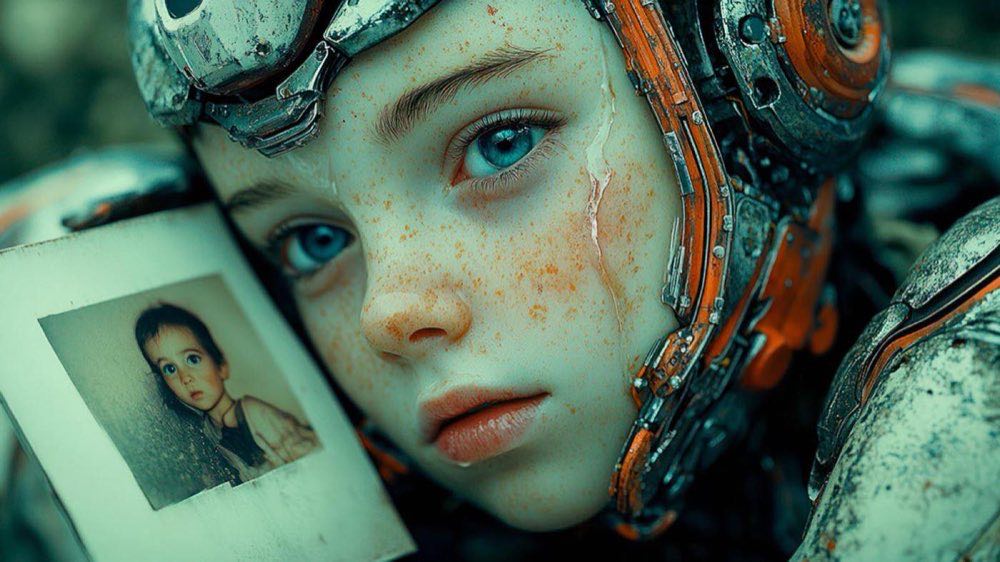
Photography is living through its quietest revolution, and perhaps its deepest, since the invention of the digital sensor. Today, the boundaries between the real and the generated blur into a new territory: that of the posthumans, images that no longer document what exists, but what could exist.
Artificial intelligence didn't arrive to replace the photographer, but to redefine what we understand by visual authorship. In this new era, the camera doesn't always point at the world: sometimes it points at the algorithm. And in that mirror between the human and the synthetic, an inevitable question arises: what does it mean to build a visual identity in times when reality can be generated from scratch?
What the visual posthuman is in photography
In contemporary culture, the term posthuman doesn't refer to the end of the human, but to its expansion. In photography, this concept translates into hybrid images: AI-generated portraits that imitate real skin, landscapes that never existed, faces that seem familiar without belonging to anyone.
These images challenge the notion of "capture." They no longer record the decisive moment, but design a possible reality. The camera becomes symbolic, one more interface within a flow of data, prompts and aesthetic decisions.
Behind every posthuman image there is something deeply human: the gaze, the intention, the narrative. That is where the photographer remains irreplaceable.
The history of photography has already lived through other similar disruptions: the transition from analog to digital generated the same debate about authenticity and identity. AI is the next phase of that evolutionary process, not an absolute break with everything before it.
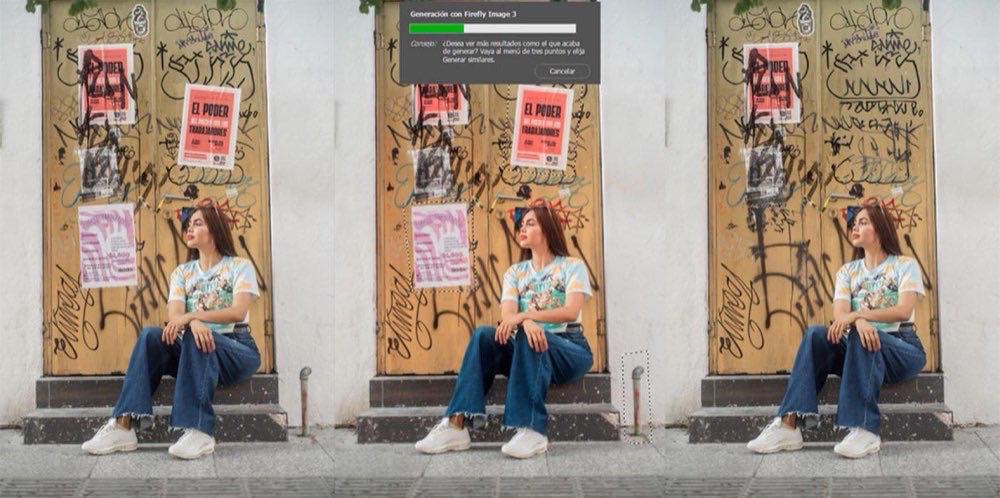
How do I build a visual identity if I use AI?
Building a visual identity in the age of AI doesn't mean denying the technology, but taking ownership of it with judgment and consistency. AI can be a tool of aesthetic exploration as valid as a lens or a light source.
A photographer with a clear voice can use Midjourney or DALL·E the way they once used an analog camera: to translate ideas, atmospheres and concepts that the physical world doesn't let you capture. Maintain visual consistency between the generated and the captured, so that both dimensions, real and imaginary, speak the same visual language.
In this context, the photographer stops being an observer and becomes a curator of realities, a designer of worlds where the raw material is no longer light, but possibility.
Building this consistent identity first requires having your own visual foundation clear. If you're still defining your style, it may help to explore how photographic style and professional portfolio influence attracting clients and creative consistency.
Where does creation begin and where does manipulation end?
The rise of generated images raises an ethical dilemma: where does creation begin and where does manipulation end? For photographers, authenticity is no longer measured by fidelity to the physical world, but by narrative and conceptual consistency. A generated image can be more honest than a retouched photo, if its purpose is clear and its discourse transparent.
The challenge is not to compete with AI, but to humanize it: give it intention, context and sensitivity. The difference between an empty visual piece and a meaningful image will continue to depend on who imagines it.
Some key points of the current ethical debate:
Transparency in the process: declaring whether an image is AI-generated or substantially altered by it is a practice that builds trust with clients and audiences.
Authorship rights: legislation on AI-generated images continues to evolve. Publications and contests are redefining their policies on the matter.
Impact on the job market: AI especially affects niches such as stock photography, composite backgrounds and some aspects of commercial retouching.
To better understand the legal framework surrounding visual creation and rights over images, it is useful to know the fundamentals of copyright in photography.
What AI tools are professional photographers already using?
AI doesn't only generate images from scratch: it is already integrated into the everyday photographic workflow in more discreet but equally transformative ways.
Task: Culling and sorting; Typical tool: Imagen AI, Aftershoot; What it saves you: They sort and select thousands of photos in minutes
Task: Assisted retouching; Typical tool: Lightroom, with subject and sky masking; What it saves you: The meticulous manual work that each mask used to require
Task: Upscaling and restoration; Typical tool: Topaz Gigapixel; What it saves you: Enlarges with less quality loss than conventional resizing and recovers old or low-resolution photos
Task: Generating variants; Typical tool: Generative models for backgrounds and settings; What it saves you: A new product or advertising shoot just to change the set
The photographer who integrates these tools into their workflow isn't cheating: they are optimizing their time and expanding their creative capabilities.
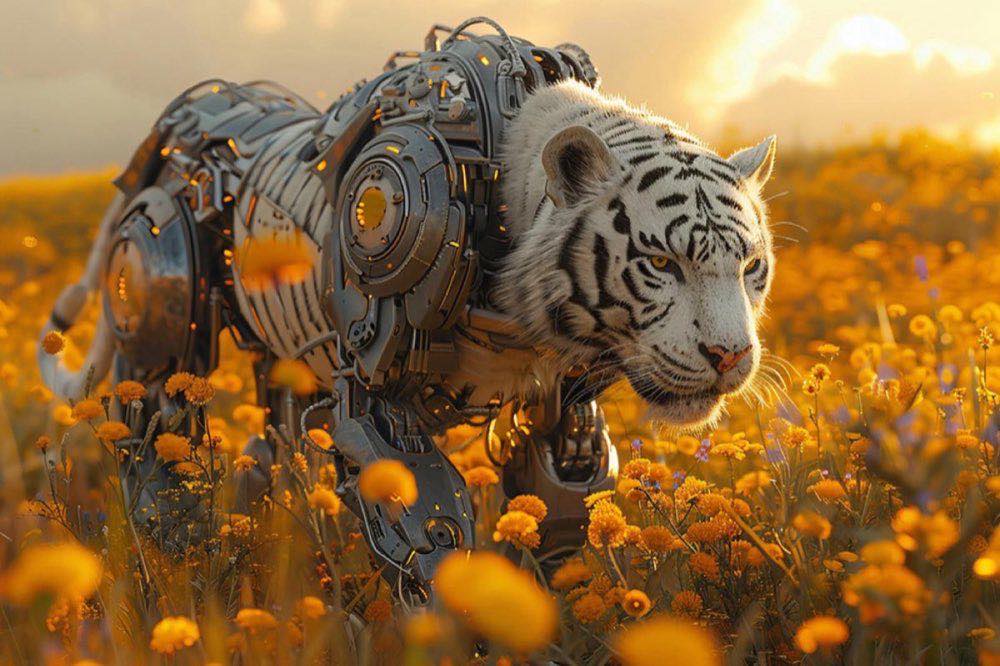
Toward a post-photographic aesthetic
We are entering an aesthetic where photography, 3D design and artificial intelligence coexist without hierarchies. The boundary between the real and the artificial becomes one more narrative resource. Visual artists are learning to merge traditional techniques with algorithmic generation, shaping a new visual language: that of narrative post-photography.
Here light remains the starting point, though no longer as a physical phenomenon but as a symbolic concept. Digital light (pixels, depth maps, neural networks) also shapes form, texture and emotion.
The photographers leading this new territory share a common trait: they have a solid command of traditional photography before incorporating AI as a creative extension. Knowledge of composition, light and visual storytelling is not dispensable; on the contrary, it is what separates intentional use of AI from casual use. The guide to contemporary trends and the digital future collects where this field is heading.
Frequently asked questions
Will AI replace photographers? No. But it will transform their role. Photographers who understand narrative, composition and intention will remain essential; what changes is the tool, not the gaze.
How do I maintain authenticity if I use generated images? Be transparent about your process and consistent with your style. Visual authenticity is built with purpose, not with technical purity.
What value does a real photo have when everything can be simulated? The value of the real lies in its imperfection. A captured image still conveys fragility, context and time: three elements that AI still doesn't fully master.
Can I blend real photos with AI without losing visual identity? Yes, as long as there is a clear aesthetic direction. AI can extend your style, not dilute it.
What prior knowledge do I need to use AI in my photographic workflow? Mastery of traditional photography is the most solid foundation. With composition, light and editing understood, you give more precise instructions to AI tools and judge the results with discernment.
The only thing AI doesn't decide for you
The camera, the software and the human mind already work as a single creative system, and that system generates images in abundance. What it doesn't generate is intention: what you want to say, and why this image and not the other hundred the model spits out just as well.
At Enfogram, mastering the technology is not enough: you have to know what to say with it. Visual evolution isn't about generating more images, but about building meanings that keep moving people when the real and the artificial can no longer be told apart.