Event Photography: Covering It Live
Learn to photograph events smoothly and discreetly. Settings, a two-body kit and tips to capture emotions without interrupting the moment.
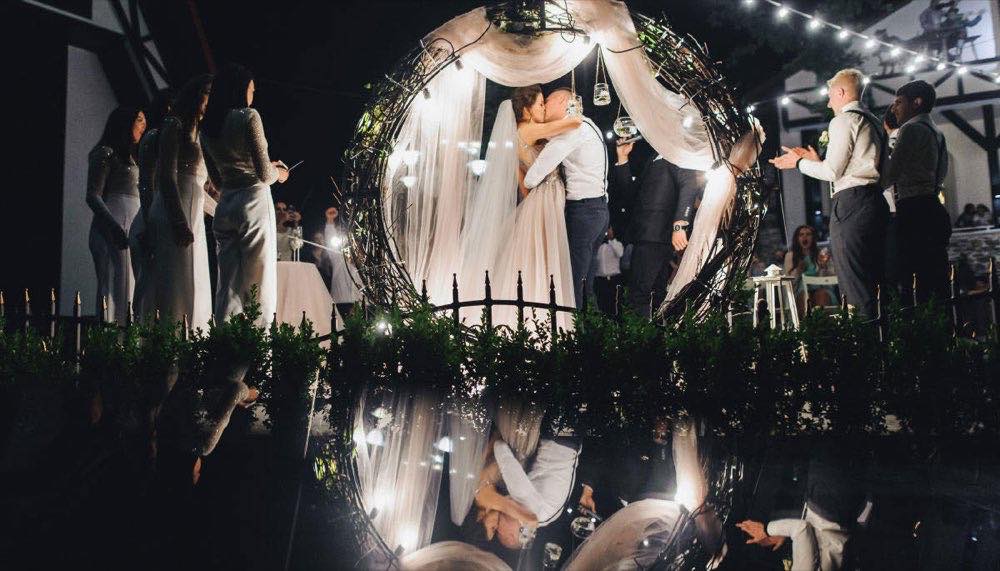
Arrive 30 or 45 minutes early and ask the organizer for the exact program. That decides more photos than any setting: where you stand at the ceremony, which lens you wait with for the first dance and at which moments you can't afford to change lenses.
An event is a whirlwind of emotions: spontaneous hugs, solemn speeches, collective laughter, looks that say it all. Capturing them demands real-time visual journalism, anticipating the instant and, at the same time, becoming invisible so the scene keeps its authenticity.
Which lens do I use at each moment of the event?
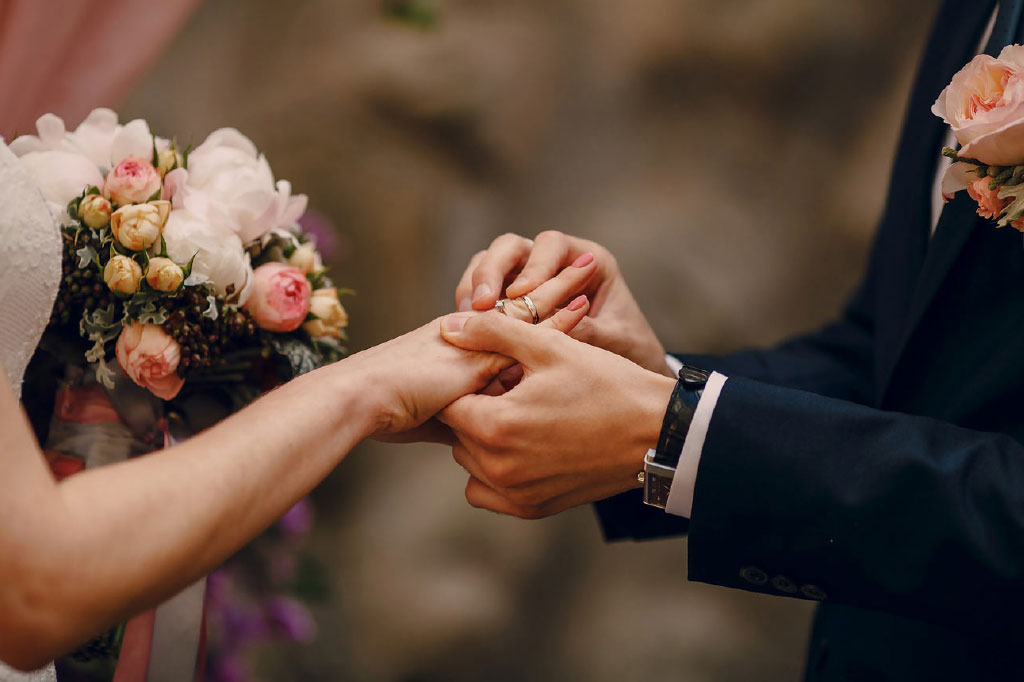
At formal ceremonies, discretion is the rule. Here a telephoto lens is your best ally: it lets you capture restrained smiles or a ring exchange without getting too close or interrupting.
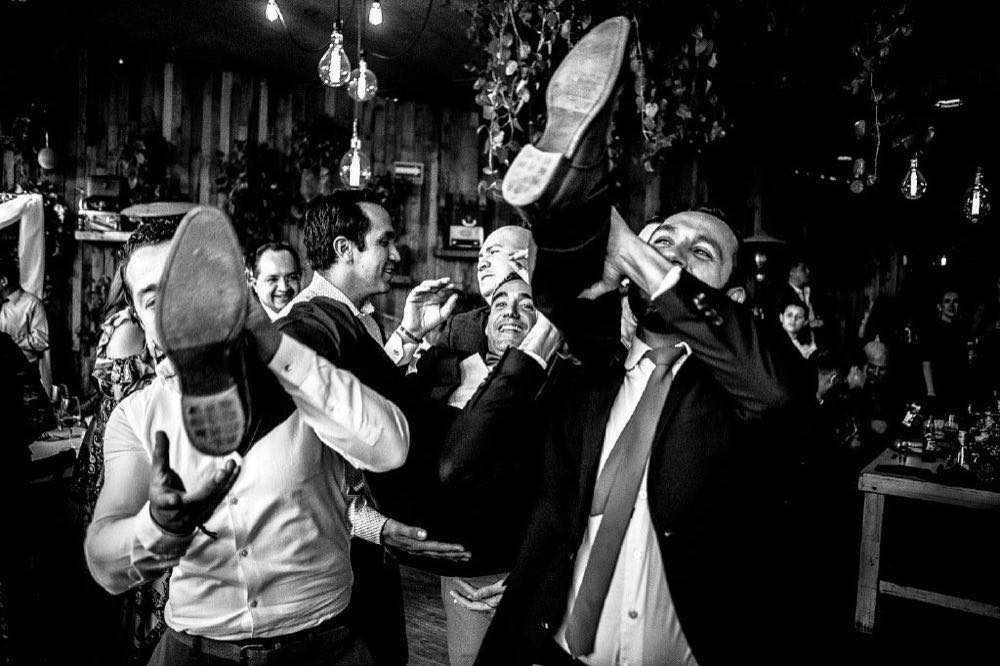
At social receptions, the story changes. The wide-angle opens up the scene and lets you step into the dynamics of groups, dancing and close conversations, conveying the collective energy.
Intimate moments (a mother adjusting her daughter's dress, a friend quietly drying tears) find their best expression with an 85 mm and a wide aperture. This combo isolates the gesture, softens the background and underlines the emotion.
For official group portraits, speed rules. Setting the camera with predefined parameters, ensuring sharpness across all planes and directing firmly but respectfully keeps guests from getting impatient and losing naturalness.
Corporate events present an additional challenge: combining the solemnity of official moments with the spontaneity of breaks and informal interactions. Knowing the program in advance and talking to the coordinator before the event starts is essential.
Which settings do I lock in before starting?
An efficient workflow starts with a two-body setup: a 24–70 mm for versatility and a 70–200 mm for reach and compression. That way you avoid changing lenses in the middle of the action and reduce the risk of missing the moment.
Setting auto ISO capped at 3200 lets you adapt to the light changes typical of halls, outdoor venues or dance floors. Continuous AF with tracking holds on to constantly moving subjects, and diffused/directional bounce flash gives balanced lighting without breaking the atmosphere.
At events with mixed lighting (colored projectors, candles, room light), the best approach is to fix the white balance at a neutral temperature (5200–5500K) instead of leaving it on auto: it avoids abrupt tone shifts between frames that later look inconsistent in the gallery delivered to the client. Understanding how white balance as a storytelling tool works gives you a real advantage in these complex situations.
Moment: Formal ceremony; Lens: Telephoto; Settings: Silent mode, no flash
Moment: Reception, dancing, groups; Lens: 24–70 mm; Settings: Auto ISO capped at 3200, bounce flash
Moment: Intimate moments; Lens: 85 mm; Settings: Wide aperture to isolate the gesture
Moment: Official group portraits; Lens: 24–70 mm; Settings: Predefined parameters, sharpness across all planes
Moment: Mixed room lighting; Lens: Any; Settings: White balance fixed at 5200–5500 K
The guide to event photography develops this sequence moment by moment.
How do I prepare the coverage before the event?
Preparation is the difference between professional work and reactive work. Arriving at the venue at least 30–45 minutes early lets you assess the available light, identify the points with the most foot traffic and plan strategic positions for the key moments.
Talking to the organizers to learn the exact sequence of the program (ceremony time, entrance of the main figures, speeches, toasts, first dance) lets you plan ahead where to be and with what gear at each moment. Improvising at formal events is the perfect recipe for missing unrepeatable moments.
It is also worth doing an exposure test with the flash gear before guests arrive, adjusting the power according to the distance and the ceiling of the space so you bounce correctly.
The four mistakes that can cost you the whole shoot
The most serious mistake is being intrusive at emotional moments: getting too close during a ceremony or shooting direct flash in an intimate scene destroys naturalness.
Another mistake is slowness in setting up the camera. At events, moments happen without pause; you can't stop a couple mid-hug to change a setting. It is also common not to anticipate the protocol: not knowing the sequence of a formal ceremony means arriving late to the key moments.
A less visible but equally costly mistake is not carrying backup gear: a dead battery, a full card with no alternative or a camera body with a technical failure can ruin an entire shoot. Professionals always carry double what they think they need.
How to be present without being noticed
At solemn ceremonies, turn on silent mode so you don't interrupt. Always keep one camera with a wide-angle and another with a telephoto ready: that way you respond to any scene without changing lenses. If the subject looks at the camera because they felt watched, that photo is already lost.
The techniques of sports photography for capturing action and the decisive moment transfer directly to event photography: subject tracking, controlled bursts and anticipating the moment share the same logic.
Frequently asked questions
What minimum gear do I need to cover a whole event? Ideally, work with two bodies: a 24–70 mm for versatility and a 70–200 mm for reach. If that's not possible, a well-handled standard zoom can solve most situations, but you will have less room to adapt quickly.
How do I avoid being intrusive during emotional moments? Keep physical distance using a telephoto lens, turn on silent shooting and move discreetly. The goal is to capture without interrupting: if the subject looks at the camera because they felt watched, the emotion is already lost.
Should I always use flash at events? No. Use natural light whenever possible. When necessary, use bounced, diffused flash to keep the venue's atmosphere without frontal bursts that flatten the image.
What do I do if the lighting changes too fast? Auto ISO with a preset cap is your best ally. It also helps to set white balance manually to avoid abrupt tone shifts between consecutive frames.
How do I make sure I don't miss the key moments? Know the protocol before you start: talk to the organizers, ask about the sequence of important moments and plan your position in advance. Constant improvisation at formal events is the shortest path to regret.
What must be ready an hour before
Two bodies with the 24–70 mm and the 70–200 mm mounted, auto ISO capped at 3200, white balance fixed at 5200–5500 K, silent mode on and a bounce flash test done against the venue's actual ceiling.
And the event program in your pocket, with the times written down. Coverage is won there, not during the toast.
The 44 Enfogram cards come with these coverage settings printed on them, so you can review them while you set up your gear and not while you run after the newlyweds.