Your First Photography Clients: From Free to Paid
A realistic plan to get photography clients: when to work for free, how to charge for your first session and the price ladder for your first 6 months.

To get photography clients when nobody knows you, the typical advice swings between two bad extremes: "never work for free" and "do free sessions until they discover you." The useful reality is in the middle: free work is a tool with an expiration date, and its only goal is to manufacture the conditions to get paid as soon as possible.
The problem is not giving away a session; the problem is giving it away without a plan. A free session with an objective, limited deliverables and a specific request in return is worth gold. Ten free sessions "to build a portfolio" without a strategy only position you as the neighborhood's free photographer.
Here is the complete path: how much free work to do, how to turn it into sales proof and how to scale to real rates in your first six months.
The right free work: few sessions, with an exchange contract
If you are starting from scratch, between 3 and 6 unpaid sessions are enough to get going. More than that is procrastination disguised as preparation. Each free session must meet three conditions:
It fills a specific gap in your portfolio. If you want to sell family sessions, look for families, not friends who want "artistic" photos.
It has limited deliverables in writing: for example, 10 edited photos in 10 days. Free doesn't mean unlimited.
It has an explicit return: signed authorization to use the photos in your portfolio and social media, a public review and, if they are happy, two direct referrals to acquaintances.
That written exchange changes the dynamic: you are not asking for a favor, you are proposing a fair deal. The guide to photography business and marketing develops how these first pieces fit into a sustainable business.
The transition: a launch price, not free forever
The jump from 0 to full rate is scary; that is why the ladder works. After your portfolio sessions, launch a founder's price clearly labeled as temporary: "first 10 sessions paid at X, after that the price will be Y." Illustrative example: if your target rate is 150 USD, launch at 75–90 USD for a limited time.
Two rules make this work:
Announce the future price from day one. That way the later increase is not a betrayal, it is the calendar everyone knew.
Charge something, even if it's little. The client who paid 75 USD recommends you as a photographer; the one who got something free recommends you as a generous person. Only the first brings you paying clients.
Stage (6-month example): Month 1–2: portfolio; Sessions: 3–6 free; Example price: 0 (with signed exchange); Main goal: 20 marketable photos + reviews
Stage (6-month example): Month 2–3: founders; Sessions: 8–10; Example price: 50–60% of your target rate; Main goal: Testimonials from clients who paid
Stage (6-month example): Month 4–5: transition; Sessions: 8–12; Example price: 75–85% of the rate; Main goal: A steady flow of inquiries
Stage (6-month example): Month 6 onward; Sessions: according to schedule; Example price: Full rate; Main goal: Referrals and repeat business
The numbers are examples: adjust them to your market and your real inquiry pace.
Where your first clients are (hint: not in the hashtags)
The first twenty clients of almost any photographer come from close circles and direct referral, not from strangers who arrived through the algorithm.
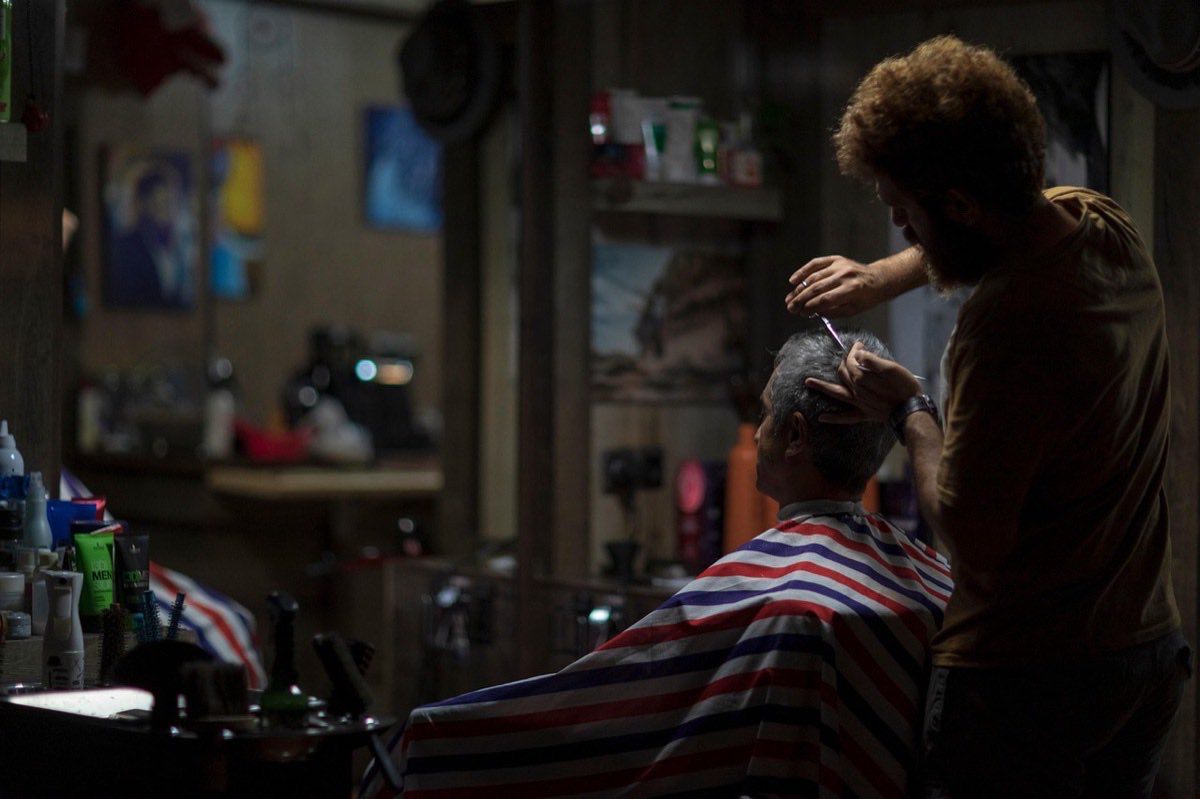
Announce that you now charge, explicitly, to your network: a direct, honest message ("I'm opening my schedule for family sessions, this is my work and these are my prices") converts more than twenty generic posts.
Every session ends with a request: "do you know anyone who could use this?" Asking for the referral at the moment of maximum satisfaction (when delivering the photos) multiplies its effect.
Partner with complementary businesses: florists, event venues, children's clothing stores, wedding planners. They talk every day with your ideal client.
Local community before global audience: neighborhood groups and local fairs generate clients; faraway followers generate likes.
Your portfolio must be ready to receive whoever asks: few, forceful photos, as explained in photographic style and professional portfolio.
How to charge without feeling like an impostor
Impostor syndrome in the first months is almost universal. Three mental corrections that help:
You don't charge for your seniority, you charge for the result. If your photos solve what the client needs, the price is legitimate from the first paid session.
A low price is not humility, it is a signal. Charging 20 USD communicates "this is worth 20 USD." The client can't evaluate your technique; they evaluate your signals.
Set your minimum with numbers, not emotions. When the price comes from a calculation of costs and hours, defending it stops being personal.
And take care of the relationship as much as the photo: service (punctuality, communication, on-time delivery) is what turns one session into three referrals. On that balance between selling and serving, read selling photos without selling your soul: pricing, marketing and service.
Frequently asked questions
How many free sessions are too many?
If you went past 6 and still aren't charging, the problem is no longer the portfolio: it is the fear of setting a price. Launch your founder's price this week with what you have.
What do I do when friends and family ask for free sessions "because they know me"?
Create a single policy and communicate it with humor and firmness: a friends' discount (for example 20%), never free. Whoever doesn't accept paying 80% didn't value your work, they valued the free.
Are session giveaways useful for getting clients?
They can work once, if the prize attracts your ideal client and you capture the participants' details to offer them a special price. As a repeated strategy, they attract prize hunters, not buyers.
When do I know it's time to move up to the full rate?
When your schedule at the current price fills up 2–3 weeks in advance consistently. A full schedule at a low price is the most reliable signal to raise prices there is.
A ladder with dates, not a wait
The path from free to paid is not a wait, it is a ladder with dates: a few portfolio sessions with a signed exchange, a founder's price announced as temporary and scheduled increases as your calendar fills. Each rung manufactures the social proof for the next.
Today, choose the 3 free sessions that fill your portfolio, draft your exchange agreement and put a date on your founder's price. At Enfogram you will find the 44 photography cards with the exact settings for every situation: print them, carry them with you and shoot with confidence from your first paid session.