Dynamic Visual Composition in Photography
A practical guide to dynamic composition: rule of thirds, leading lines and negative space. Create photos with impact and a strong visual narrative.
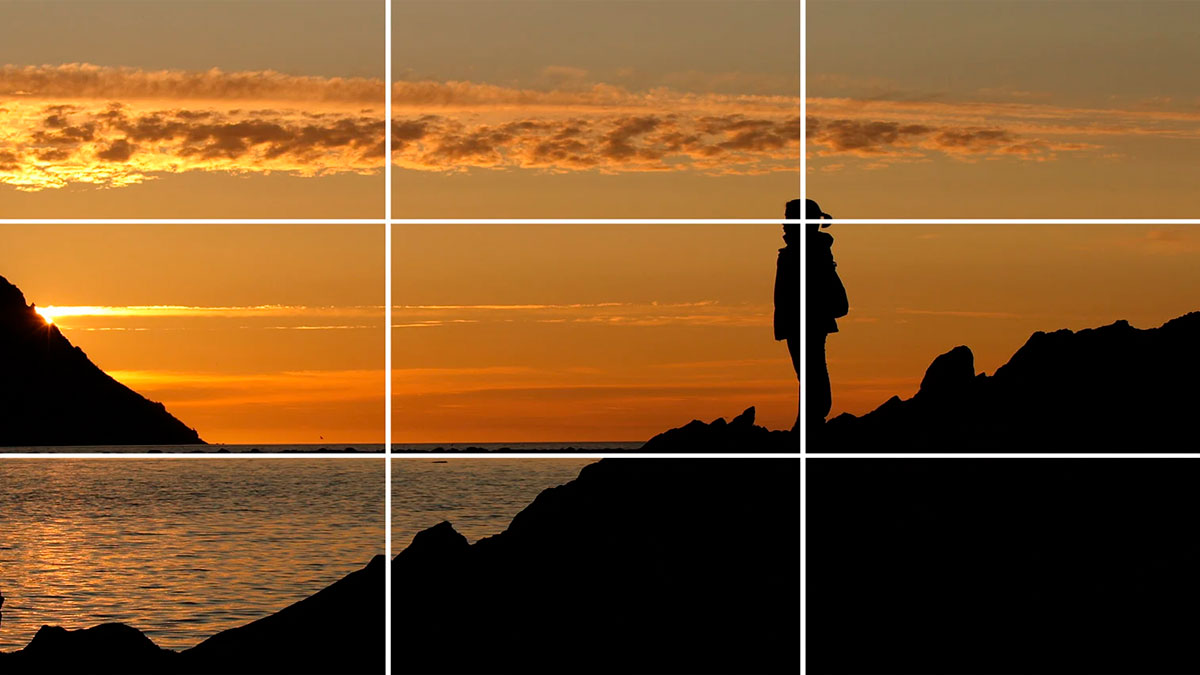
Compose first, focus after. Move the subject off center, sweep your eyes across the four edges of the frame, and only then shoot: that order instantly removes the two most common causes of weak photos, the static image and the background full of distractions.
Dynamic visual composition builds images that lead the eye along a path instead of leaving it parked in the center. Thirds, leading lines, framing and negative space are the tools to achieve it, and the guide to dynamic visual composition develops them one by one.
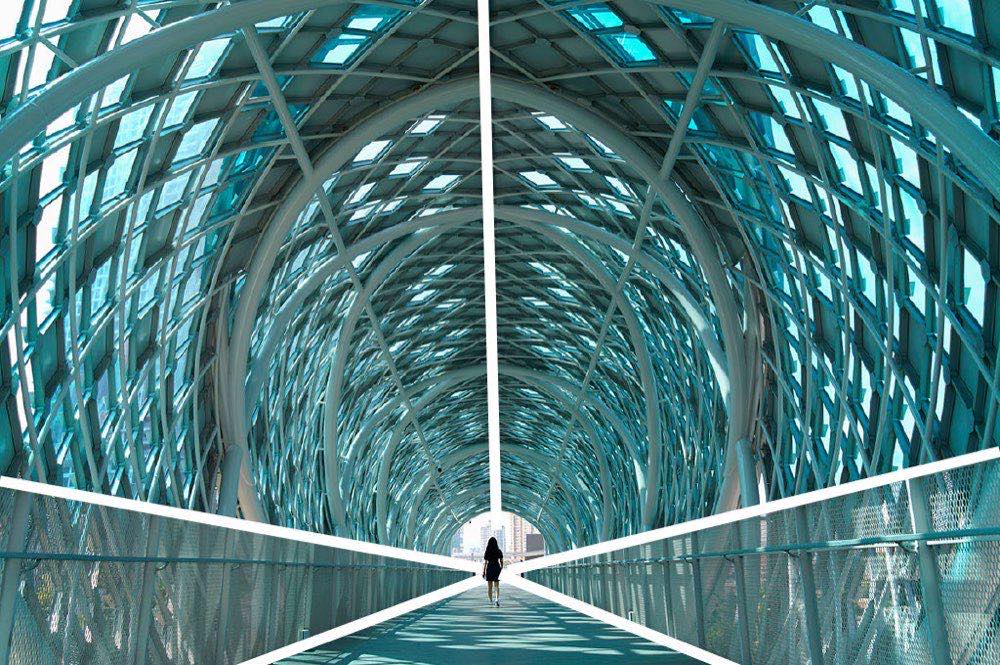
What tools make a composition move?
Tool: Rule of thirds; What it does: Moves the subject off center: tension and dynamism; Where to find it: Intersections of the viewfinder grid
Tool: Converging leading lines; What it does: Lead the eye along a path; Where to find it: Roads, rivers, facades, staircases
Tool: Natural framing; What it does: Gives context and concentrates attention on the subject; Where to find it: Branches, windows, arches, doors
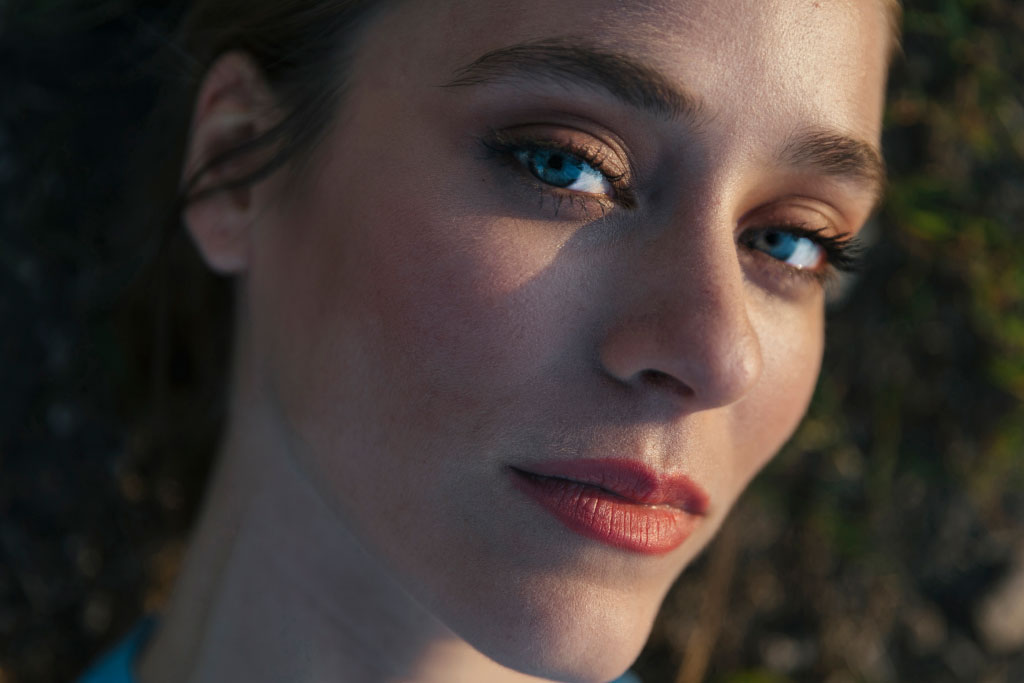
Tool: Negative space; What it does: Gives breathing room and reinforces the direction of the gaze; Where to find it: Portrait in which the subject looks toward the empty space
Tool: Foreground; What it does: Adds scale and depth; Where to find it: A rock or a flower at the bottom edge of the landscape
None of them is applied out of obligation: the rule of thirds is a starting point, and breaking it deliberately produces more powerful images than following it out of habit.
Visual weight and dynamic balance
Beyond the formal rules, dynamic composition is based on the concept of visual weight: the ability of certain elements to attract attention more strongly than others. A bright object, a saturated color or a human face has more visual weight than neutral areas or uniform textures.
Dynamic balance does not seek perfect symmetry, but a distribution of weights that creates productive tension. A small subject at the edge of the frame can balance a large, textured background area if both have similar visual weights. This tension is what gives the composition its energy.
What camera settings help you compose?
Modern cameras make it easy to apply these concepts. Turning on the grid in the viewfinder or screen helps structure the frame without relying on instinct alone. Live view allows greater precision when we are looking for symmetry or exact balance.
Vertical or horizontal orientation is also part of composition: a wide landscape gains strength in horizontal, while an editorial portrait becomes more intimate and elegant in vertical. Varying your height (shooting at eye level, from a low angle or from a high angle) transforms the perception of the subject, adding drama or closeness.
The choice of lens also directly influences composition. A wide angle includes more context and can use perspective lines dramatically; a telephoto compresses planes and isolates the subject. To better understand that relationship, see our guide on lens character and how focal length choice transforms your story.
What mistakes weaken the frame?
The most common mistake is centering for safety, which tends to produce static images with no visual tension. Another flaw is cutting at the joints in portraits, which makes the photo uncomfortable to read. It is also common to neglect the edges of the frame, letting in distracting elements that steal the spotlight from the subject.
The crooked horizon deserves separate mention: it can be an expressive device if intentional, but if it happens through carelessness, it looks more like a framing flaw.
Another less obvious mistake is composing only for the format you will deliver in. If you photograph for social media, imagining the square crop while you frame in 3:2 can help you keep the subject from ending up in an awkward position after cropping.
Narrative composition: telling a story with the frame
The most effective composition does not just organize elements: it tells something. A scene can be read in many ways depending on how it is framed. The same market can convey chaos or order, intimacy or distance, depending on the angle, the height and the elements you choose to include or exclude.
To build narrative with composition, consider these questions before shooting:
Which element is the protagonist and what role do the others play?
Do I want the eye to travel through the image or to stop at one point?
Does the background add context or distract?
Does the direction of the subject create expectation or resolution?
This narrative mindset is especially relevant in landscape photography, where composition defines whether the image tells a story or simply documents a place. To go deeper into that approach, read our guide on narrative landscape: how to tell visual stories of the environment.
What do I check in the seconds before shooting?
A visual sweep of the whole frame, starting with the edges. That is where the poles, other people's hands and branches that nobody noticed until getting home creep in. Then, the position of the subject relative to the grid and the horizon line.
In landscape, add a foreground: a rock, a flower or an architectural element up front connects the eye with the rest of the scene and avoids the "flat postcard" feeling.
And before you move, try the same scene at eye level, from a high angle and from a low angle. Every scene allows several compositions, and the first one that occurs to you is almost never the most expressive.
Frequently asked questions
Is it mandatory to apply the rule of thirds? No. It is a useful starting point, but breaking it on purpose can produce more powerful images. What matters is that the decision is conscious.
How do I avoid distracting backgrounds? Sweep your eyes across the whole frame before shooting. If something takes attention away from your main subject, reframe or change your position.
Is vertical orientation only for portraits? Not necessarily. Many landscape or architecture scenes work very well in vertical because they emphasize height and monumentality.
How do I improve my compositional eye faster? Practice by reviewing the photographs of masters of the genre that interests you most and actively analyze why each frame works. Then try to replicate that logic on your own outings.

The habit that changes more photos than any rule
Before every shot, two seconds of sweeping the edges of the frame. It is the only one of all these tools that applies always, in any genre and with any camera, and the one that rescues the most photos: thirds can be broken, but a background with a pole sticking out of the subject's head can't be fixed easily in editing.
The 44 printed cards from Enfogram bring these composition tools together with the settings for each situation, so you can review them with the scene in front of you and not back home.