Lens Character: How Focal Length Changes Your Story
Discover how focal length transforms the story in your photos. Wide-angle, normal, telephoto and macro: a guide with key settings.
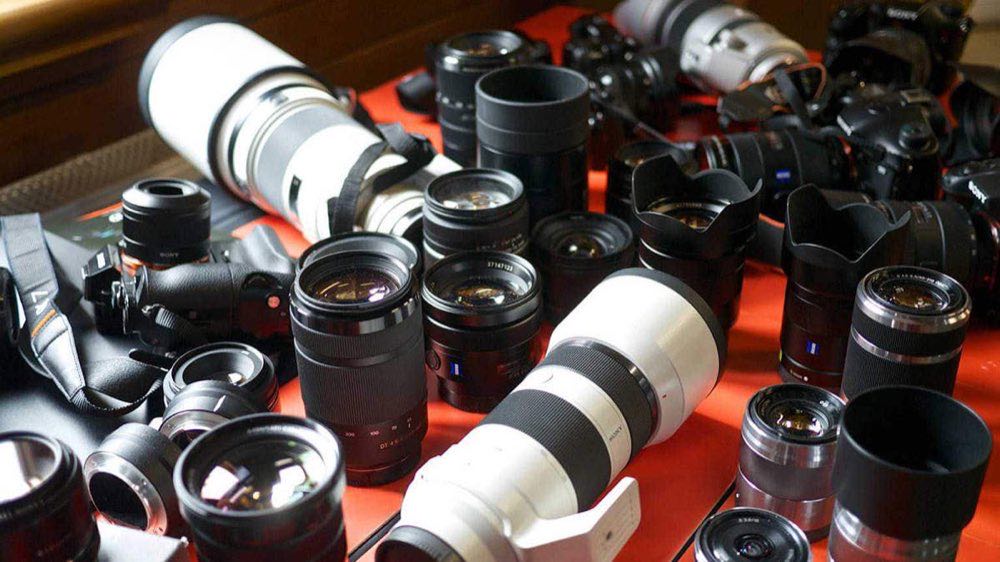
When a photographer chooses a lens, they are not only deciding how much space will fit in the frame. They are selecting a visual character: a way of telling a story that defines the relationship between the subject, the surroundings and the viewer. Focal length determines perspective, plane compression and depth of field, making it an expressive tool as powerful as light or composition.
A 24mm is not "just a wide-angle lens": it is an invitation to step inside the scene, to expand horizons and accentuate distances. A 200mm, on the other hand, squeezes the planes, flattens distant mountains against the sky and turns an intimate gesture into the absolute protagonist. Choosing a lens is, in essence, a narrative decision.
Lens families and their visual stories
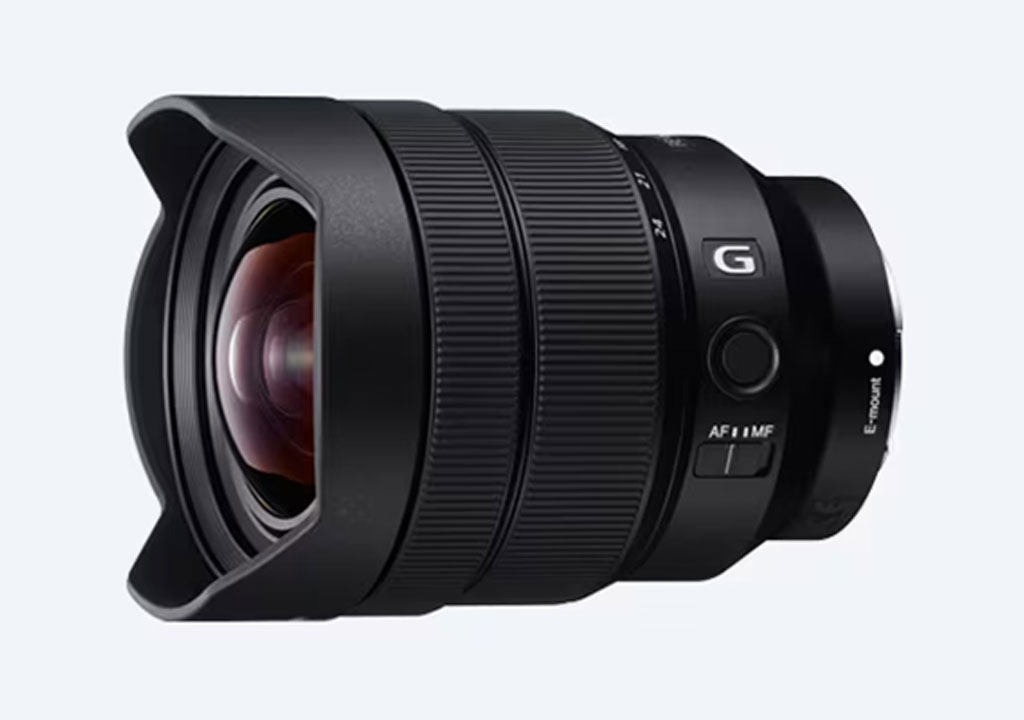
The wide-angle lens (14-35mm) expands spaces and adds drama. It is the natural choice for sweeping landscapes, architecture that wants to show scale or interiors where space is limited. Used well, it creates depth and atmosphere; used badly, it distorts faces and makes a person unrecognizable in a close portrait.
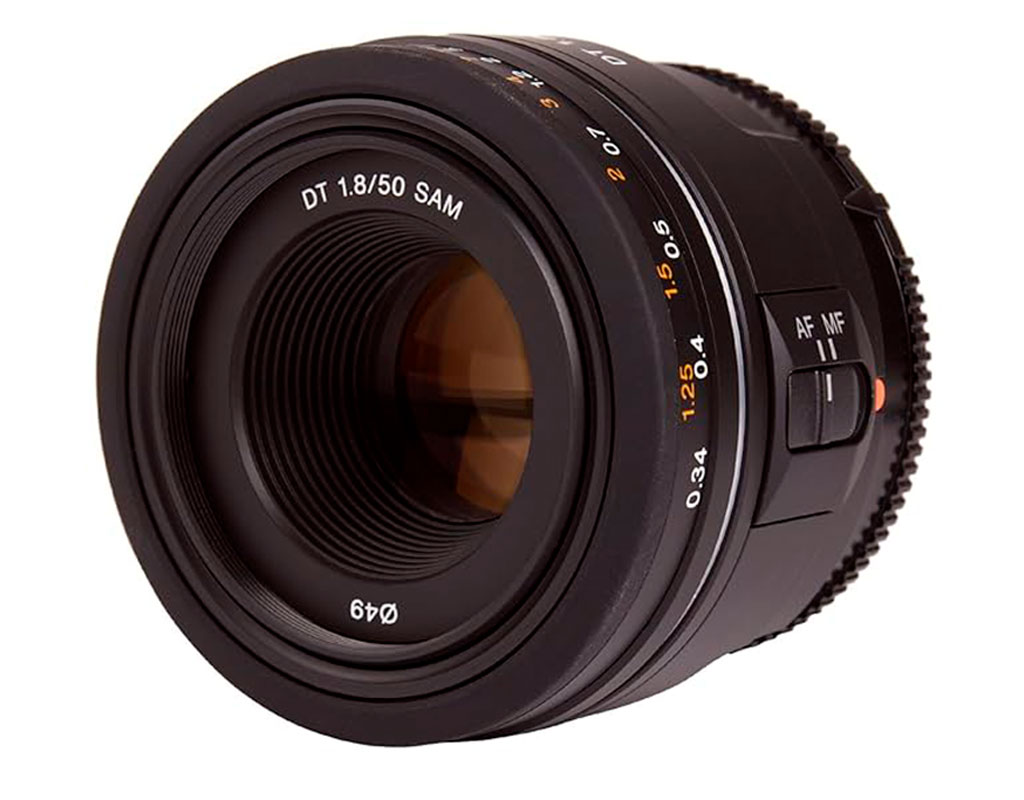
The normal lens (around 50mm) offers an angle of view close to the human one. It is discreet on the street, versatile for portraits and perfect for those who want naturalness without artifice. With it, the viewer feels "right there," sharing the scene.
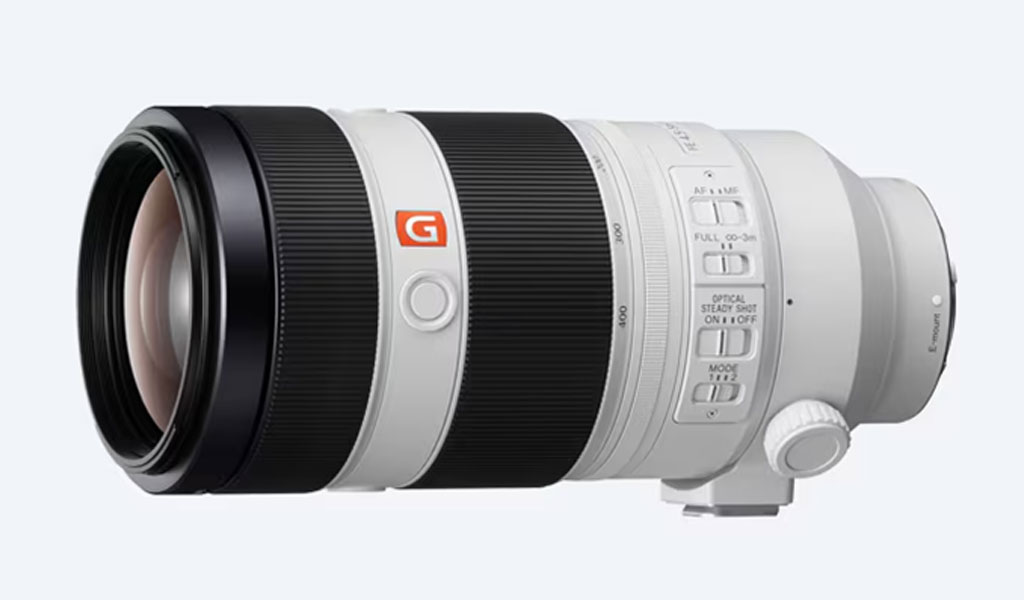
The telephoto lens (85-200mm) stylizes and isolates. Its compression flatters portraits, softens features and creates silky backgrounds. It also reveals landscape details that would go unnoticed to the naked eye. With it, the story becomes intimate and selective.
The macro lens (60-100mm) opens a parallel universe. Insects, textures and water drops become monumental settings. Its minimal depth of field demands precision and patience, but rewards you with images that reveal the invisible.
How focal length affects perspective and the subject-background relationship
Perspective does not depend on the lens itself, but on the distance to the subject. However, since each lens requires a different distance to frame the subject the same way, the practical effect is that each focal length produces a different perspective.
With a wide-angle, the photographer has to move closer to the subject, which emphasizes the foreground and makes the background seem farther away. This creates depth and dynamism, but it can also distort the proportions of nearby elements.
With a telephoto, the photographer has to step back, which reduces the perceived difference in distance between subject and background. This translates into so-called plane compression: the background seems closer and the subject isolated. The telephoto's shallower depth of field amplifies that isolating effect even more.
To go deeper into how depth of field interacts with lens choice, see our guide to depth of field: control blur with intention.
What settings does each focal length call for?
Each lens suggests a way of using it that brings out its strengths. With a 24mm for landscapes, stopping down to f/8-f/11 and working with hyperfocal distance ensures sharpness from the foreground to the horizon. With a 50mm on the street, an f/2.8-f/5.6 range and ISO 400-800 let you react quickly without losing naturalness.
The 85mm for portraits shines at wide apertures (f/1.8-f/2.8), where focusing on the eye creates images full of life with soft backgrounds. In macro, a 100mm at f/5.6-f/8 balances detail and depth, letting the subject stand out with critical sharpness.
Quick table of settings by focal length and use
Focal length: 14-24mm; Main use: Landscape, architecture; Recommended aperture: f/8-f/11; Key technique: Hyperfocal distance
Focal length: 35mm; Main use: Documentary, street; Recommended aperture: f/2.8-f/5.6; Key technique: Proximity to the subject
Focal length: 50mm; Main use: Versatile, environmental portrait; Recommended aperture: f/1.8-f/4; Key technique: Natural perspective
Focal length: 85mm; Main use: Portrait, fashion; Recommended aperture: f/1.4-f/2.8; Key technique: Focus on the eye
Focal length: 135-200mm; Main use: Editorial portrait, sports; Recommended aperture: f/2-f/4; Key technique: Background compression
Focal length: 100mm macro; Main use: Macro, detail; Recommended aperture: f/5.6-f/11; Key technique: Focusing rail or manual focus
What mistakes limit photographic storytelling?
The most common mistake is using a wide-angle for close portraits: distortion widens the nose and deforms proportions. Another is trying to take in a whole landscape with a telephoto: the result loses breadth and turns flat.
The minimum focusing distance is also often ignored, which is key for macros and telephotos. Or people fall into the habit of changing lenses without mastering a single one, which prevents you from truly knowing its character. The solution: practice with a single lens for an entire week and learn which stories it tells best.
Focal length as a conscious narrative decision
Every focal length rewrites the scene. A 24mm pushes the viewer into a market, a forest or a square, forcing them to travel through the space. A 200mm compresses mountains and makes them look like walls, or encloses a gesture of affection between two people, isolating it from the world.
The lens does not just frame: it transforms the story. That is why, beyond the ideal kits (such as a versatile 24-70mm f/2.8 or an 85mm f/1.8 for portraits), what matters is to ask yourself: what do I want the viewer to feel when they see this photo? The answer lies in your choice of focal length.
The composition you build with each lens also benefits from understanding how to guide the eye with visual tools. For that, our guide to dynamic visual composition for creating photos with impact directly complements working with different focal lengths.
Frequently asked questions
Which focal length should I start with if I have a limited budget? The 50mm f/1.8 is the most recommended option: affordable, versatile and with a natural perspective. It forces you to move to frame your shot, which teaches composition instinctively.
Are zoom lenses as good as primes? It depends on quality and use. A good professional zoom can beat a mid-range prime in versatility without sacrificing much quality. However, primes usually have a wider maximum aperture and better optical characteristics in their specific ranges.
Is it true that the 85mm flattens the face in a flattering way? Yes. The distance the 85mm makes you keep to frame a portrait avoids the perspective distortion of a wide-angle, so features look proportionate and flattering.
Do I need different lenses for video and photography? The same lenses work for both. However, for video, lenses with silent continuous autofocus (STM or equivalent) are valued so that focus changes are not heard in the audio.
You don't need every lens
The magic of photography is not in owning every possible lens, but in understanding the character of each one and using them with intention. The focal length you choose defines the story: expansion, intimacy, compression or extreme detail.
At Enfogram we believe that choosing a lens is one of the most formative decisions for any photographer. That is why our educational cards not only teach you settings, but also how each lens changes your story.
Do you want to stop choosing lenses "out of habit" and start choosing them "for the story"? Discover the resources at Enfogram and turn every photo into a conscious decision.