Fashion and Beauty Photography: A Practical Guide
Fashion and beauty photography: lighting, lenses, camera settings and team direction for high-level editorial results.
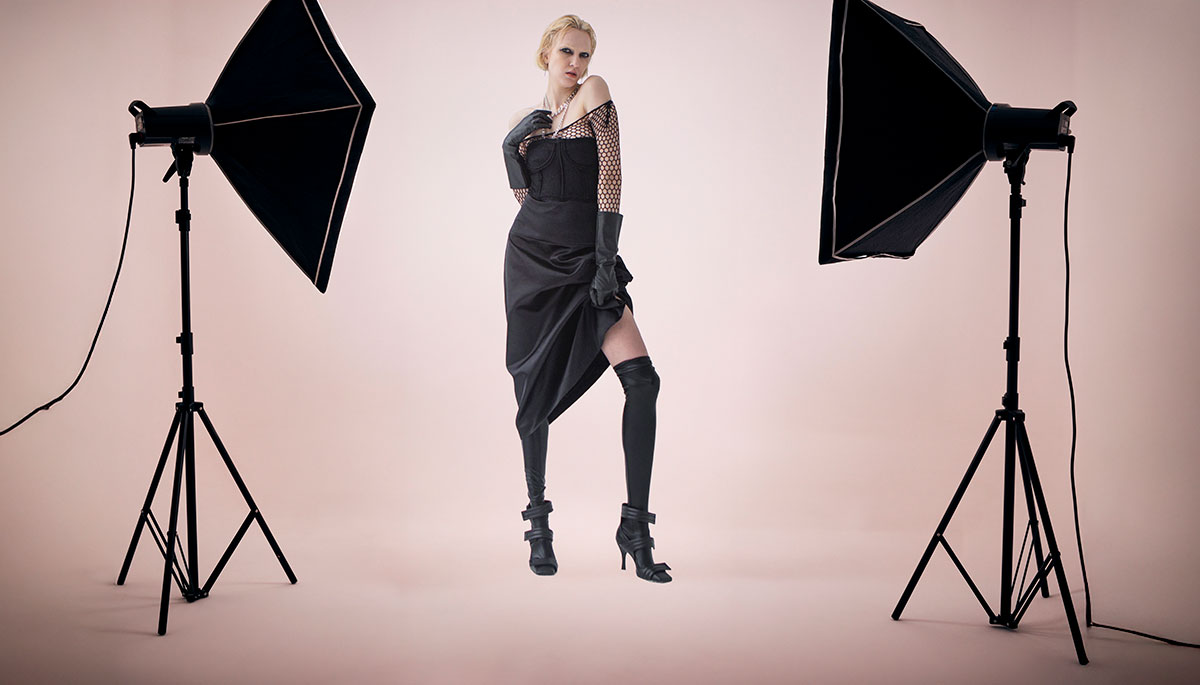
Fashion and beauty photography is one of the most demanding and sophisticated genres. Technical mastery alone is not enough here: every shot must convey aspiration, emotion and style, while meeting the commercial standards of perfection and detail. The challenge is finding the balance between the flawless and the natural, between commercial aesthetics and visual narrative.
The key is working with precision on every element: light that caresses the skin without overdoing it, poses that flatter both the model and the product, direction that unites makeup, wardrobe and artistic concept into a coherent visual language. In the end, fashion and beauty photography is not individual work: it is the effort of a multidisciplinary team in which the photographer guides and connects the pieces to achieve a high-level result.
Subgenres of fashion and beauty photography
Before talking about technique, it is important to understand that "fashion photography" is not a single genre: it is a universe of subgenres with different goals.
Classic beauty: the focus is on the face, skin and makeup. The priority is fidelity to skin texture and color accuracy. It is used mainly for cosmetics, perfume and personal care campaigns.
Editorial fashion: seeks narrative and atmosphere. The images tell a story and the product or garment is the vehicle, not the end. It appears in magazines and conceptual catalogs.
E-commerce: precision and repeatability. The client needs to see the product exactly as it is, with faithful colors and multiple angles. Efficiency is as important as quality.
Experimental or artistic fashion: technique merges with free creativity. Optical effects, artistic interventions or concepts that break the norm.
Street style: captures fashion in real urban contexts, combining the documentary eye with fashion aesthetics.
Each subgenre demands a different technical approach, and understanding which one you're working in is the first step toward making the right decisions.
Practical applications in fashion and beauty
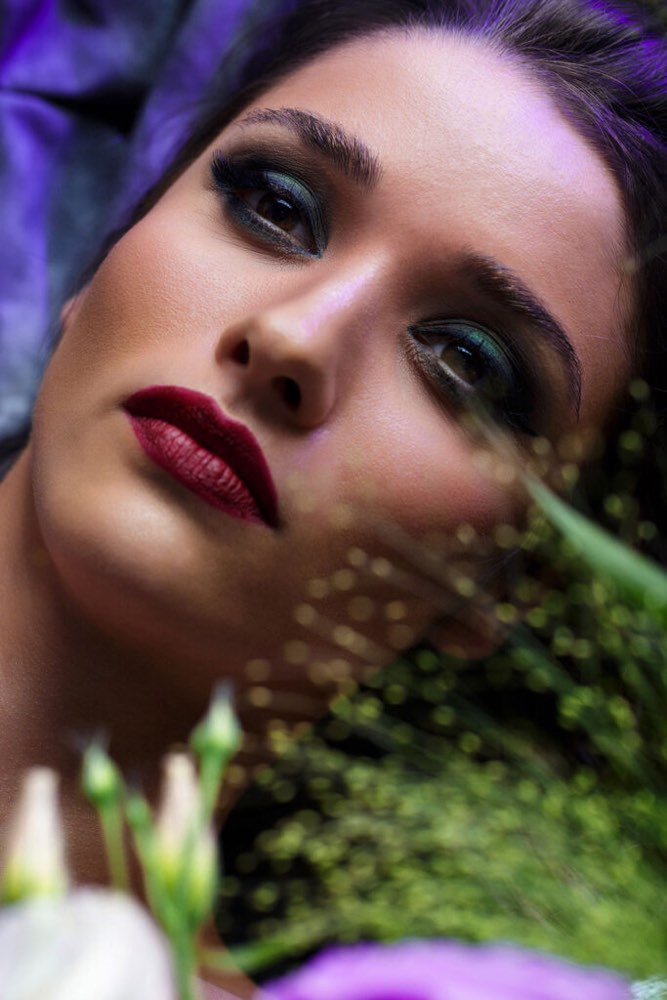
In classic beauty, the priority is the skin. Clamshell lighting with an 85 mm lens at f/8 enhances textures gently, while post-production focuses on subtle retouching that improves without eliminating humanity.
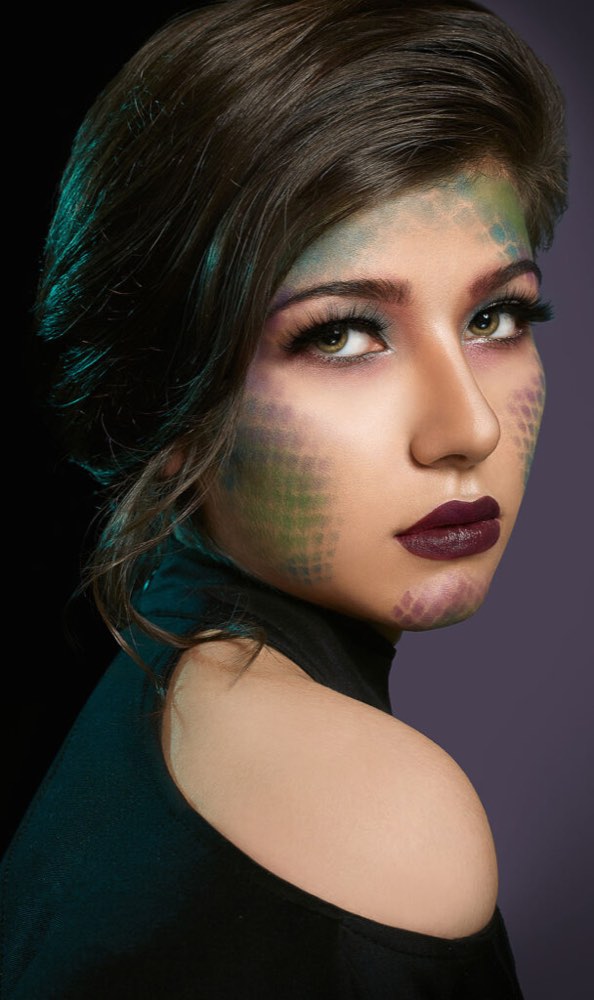
Editorial fashion seeks narrative and atmosphere. Locations with character, dramatic light and art direction turn the photo into a story, beyond the product. Here, intentional imperfection can be part of the message.
E-commerce is the opposite: precision and repeatability. Uniform light, exact colors and multiple angles ensure the customer sees the product just as it is.
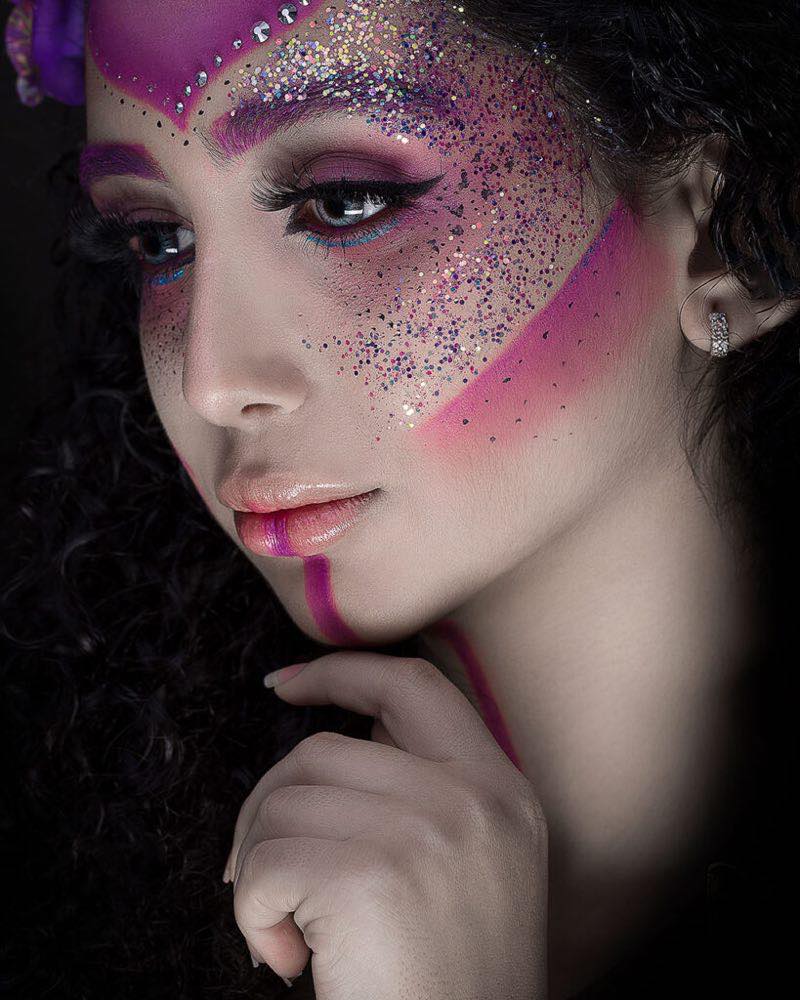
In experimental fashion, technique mixes with free creativity: optical effects, artistic interventions or concepts that break the norm and turn each image into a unique piece.
For outdoor fashion photography with variable natural light, it is essential to master how to read and adapt to each lighting condition. Our guide to natural light in photography offers techniques directly applicable to outdoor fashion sessions.
Camera settings and lenses that make the difference
For beauty, an octagonal softbox with a reflector and a hair light guarantees uniformity and separation of the subject. In editorial fashion, you can turn to the beauty dish with a diffuser for a more contrasty look, without losing elegance.
Lenses between 85 and 135 mm offer natural compression without distortion, ideal for beauty portraits and fashion shots centered on the face or torso. Recommended settings range between f/5.6 and f/8 with ISO 100-200, ensuring sharpness and control over depth of field.
Tethering (connecting the camera to a computer) is essential in sessions like this: it lets you review lighting, skin detail, wardrobe and art direction in real time.
Additional recommendations by type of session:
Studio beauty: 85mm, f/8, ISO 100. 90 cm octa softbox at 45°, silver reflector on the opposite side. Hair light from above to separate.
Editorial fashion on location: 35-50mm for wide shots with context, 85-105mm for medium shots. f/5.6 for some bokeh while keeping the garment in focus.
Clothing e-commerce: full-length shot with an 85-105mm lens, f/8, ISO 100. White background with two-source frontal lighting at 45°. Priority: faithful colors and no wrinkles.
To understand how studio lighting applies specifically to these setups, see our article on studio lighting for portraits and products.
Directing models and the creative team
The fashion and beauty photographer is not just the one who shoots: they are the creative director of the session. The ability to direct the model, to communicate intent to makeup artists and stylists, and to maintain visual cohesion over hours of work is as important as photographic technique.
Direction tools that work in practice:
Moodboard in advance: sharing visual references before the session ensures everyone is working toward the same aesthetic. A moodboard prevents misunderstandings and speeds up the process on set.
Real-time communication: seeing the images via tethering lets you give immediate feedback to the model on poses and expressions, and to the makeup artist on needed adjustments.
Pose direction using body-part references: instead of saying "be more natural," say "turn your shoulders 30 degrees toward me and lower your chin slightly." Specificity is more useful than vague instructions.
Strategic breaks: long sessions tire the model and the team. A 10-minute break every hour maintains energy and the quality of the work.
Common mistakes in fashion and beauty photography
The most recurrent mistake is using lighting that is too harsh, which highlights skin imperfections and destroys the delicacy of the atmosphere. It is also common to fall into forced poses, which neither flatter the model nor communicate naturally.
In post-production, excessive retouching can strip the humanity from the image, leaving unreal faces. And, perhaps most serious, is forgetting the importance of teamwork: without coordination between makeup, wardrobe and photography, the result loses coherence.
Additional mistakes specific to fashion and beauty:
Not checking the wardrobe before shooting: wrinkles, visible tags or poorly fitted clothing multiply in every shot and consume time in post-production.
Ignoring continuity: if you change the lighting setup between shots of the same session without recording it, the coherence of the image set breaks.
Not communicating with the model before the session: a model who arrives not knowing what kind of session it is, what clothes to bring for the changes and how long the session will last will arrive with the wrong energy.
Professional tips for editorial-level results
A beauty dish setup with a diffuser plus a silver reflector is a classic that never fails. Sharing visual references with the team before the session ensures everyone works toward the same aesthetic.
Continuous light can be a great resource: it helps the model visualize the result and feel more confident in the pose. And above all, remember that in fashion and beauty, every detail counts: from the direction of the gaze to the fall of the hair.
Some habits of the most efficient fashion photographers:
Arrive on set 30 minutes early to test the lighting without time pressure.
Do a makeup and hair test in advance when the project allows.
Create a checklist (a "shot list") with the essential framings before starting to experiment.
Frequently asked questions
What is the ideal lens for beauty? 85 mm is the standard, since it offers flattering compression and sharpness without distortion. For tighter shots and more bokeh, a 100 or 135 mm is excellent.
What lighting pattern is recommended for classic beauty? Clamshell lighting: a main source from above and a reflector or second source from below to soften shadows and highlight the skin gently.
Is it better to use flash or continuous light in fashion sessions? Both work. Flash offers more control and power, but continuous light helps the model visualize the result in real time and can be more organic in creative sessions.
How much retouching is appropriate in beauty? Retouching should be subtle: correct imperfections without eliminating the skin's natural texture. The key is balance between perfection and naturalness. In the industry, the recent trend points toward increasingly minimal retouching.
How can I better coordinate the team in a fashion session? By sharing visual references before the session, communicating clear expectations and respecting each member's role. A moodboard and a shared shot list before shoot day are essential tools.
Conclusion
Fashion and beauty photography is a space where technique, commercial aesthetics and artistic expression meet. Mastering it requires technical precision, visual sensitivity and, above all, the ability to work as a team so that makeup, wardrobe and art direction come together into a single vision.
At Enfogram we know that every session is an opportunity to build aspirational images that convey more than beauty: they communicate identity, emotion and style.
If you want to take your fashion and beauty photography to a professional level, explore our educational cards and discover how to turn every session into a production with magazine-quality results.