ID Card Photo Size: Dimensions in cm and Pixels
The rectangular ID photo is 3.5 × 4.5 cm and the oval one 3.5 × 5 cm. Pixel sizes, why no authority sets them and how to shoot it yourself.
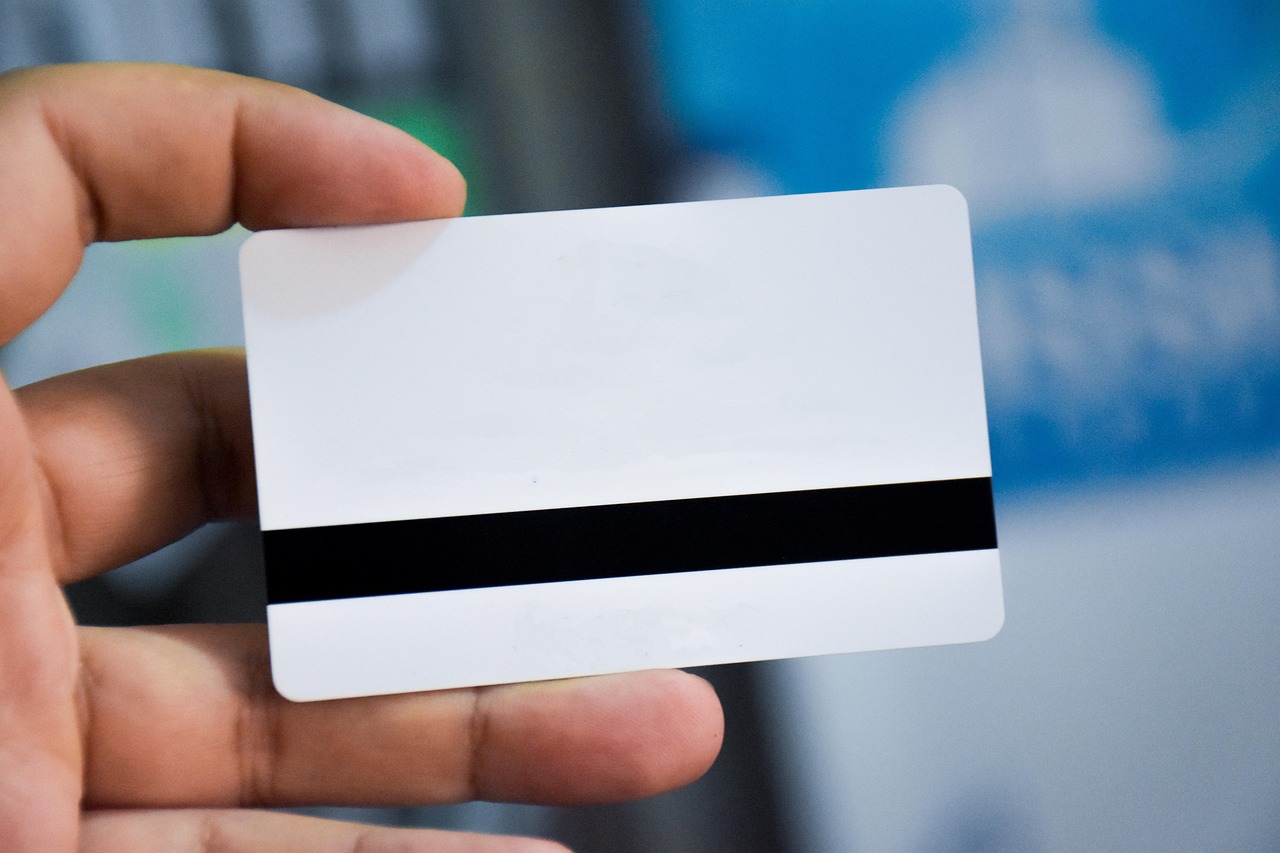
The rectangular ID card photo measures 3.5 × 4.5 cm and the oval one measures 3.5 × 5 cm. At 300 ppi that is 413 × 531 and 413 × 591 pixels. With those two figures you solve almost any order that a Mexican photo lab accepts under that name, and there are two because "credential size" (tamaño credencial) does not designate a single measurement.
No Mexican authority sets its size: they are lab conventions. And the name carries an expensive misunderstanding, because it has nothing to do with the INE voter ID card, which is photographed at the office. All the figures below come from one division: pixels = centimeters ÷ 2.54 × ppi.
How big is an ID card photo?
What Mexican labs sell. 300 ppi is enough for paper; at 600 ppi the file weighs almost the same because the photo is tiny, and some counters work that way.
Format: Infantil (small); Centimeters: 2.5 × 3 cm; Pixels at 300 ppi: 295 × 354; Pixels at 600 ppi: 591 × 709; What it is requested for: School paperwork, badges, forms
Format: Rectangular ID card; Centimeters: 3.5 × 4.5 cm; Pixels at 300 ppi: 413 × 531; Pixels at 600 ppi: 827 × 1063; What it is requested for: Work, school or club ID cards
Format: Oval ID card or mignon; Centimeters: 3.5 × 5 cm; Pixels at 300 ppi: 413 × 591; Pixels at 600 ppi: 827 × 1181; What it is requested for: The same ID card, in oval version
Format: Diploma; Centimeters: 5 × 7 cm; Pixels at 300 ppi: 591 × 827; Pixels at 600 ppi: 1181 × 1654; What it is requested for: Diplomas and certificates, almost always oval
Format: Degree (título); Centimeters: 6 × 9 cm; Pixels at 300 ppi: 709 × 1063; Pixels at 600 ppi: 1417 × 2126; What it is requested for: Professional degree, in oval
Format: Passport (SRE); Centimeters: 3.5 × 4.5 cm; Pixels at 300 ppi: 413 × 531; Pixels at 600 ppi: 827 × 1063; What it is requested for: The size published by the SRE, 45 × 35 mm
Two notes that save you a trip. The infantil and the ID card are not the same photo: there is a centimeter of difference in width and up to two in height, and an infantil enlarged to 3.5 × 4.5 looks soft. And 2.5 × 3.5 cm, a size that circulates a lot, is not sold by any lab: what exists is the American wallet of 2.5 × 3.5 inches. The rest of the formats are in standard photo sizes for printing.
Why does nobody agree on the size?
Because there is nothing to agree on: no Mexican agency publishes a standard for the infantil, ID card, diploma or degree photo. There are two federal references, and they do not match each other:
CONOCER, under the SEP, asks for a "minimum infantil size dimension (3 x 2.5 cm) or larger, always keeping the proportion": a floor, not a fixed size, with the file limited to 300 kB.
The CNSF asks for "an infantil-size photograph" and only specifies pixels: 160 wide by 200 high, 24 bits, maximum 50 kB. Those 160 × 200 are a 1:1.25 ratio, the same as 2.5 × 3 cm.
One defines it in centimeters and as a minimum; the other in pixels and as a maximum weight. From there down, each lab decides. Across six independent labs the infantil comes out unanimous at 2.5 × 3 cm, the diploma at 5 × 7 and the degree at 6 × 9. The ID card is the only case with real dispersion: some sell 3.5 × 4.5 rectangular and others 3.5 × 5 oval, and a lab that sells both is not contradicting itself, because they are two different products with the same short name.
The consequence fits in one question: when someone asks for "credential size," find out whether they want it rectangular or oval before printing. For the pixels at any other resolution, the photo size calculator for documents uses these same numbers.
Does this photo work for the INE card?
No, and not because the size is wrong: the INE does not accept photographs supplied by the citizen. The voter ID photo is taken at the office, during the procedure. What you must bring is a birth certificate, photo identification and proof of address; the INE itself clarifies that it will not ask you to remove your makeup for the shot.
"Credential size" therefore names the ID card of a school, a workplace or a club. Almost all the pages that answer this search leave the opposite implied, and whoever believes it prints eight copies that the office will not even look at.
How to light the photo against a white wall
The complete setup fits in five decisions and does not need a studio:
Background. White or light gray wall, smooth, with no baseboard or switch in the frame.
Separation. The person 1 m from the wall. Pressed against it, any side light draws their silhouette on the background; at one meter the shadow falls outside the frame or blurs out.
Light. A large window with no direct sun, from the front or at 45°, and a white card one meter away on the shadow side, as in portrait with window light.
No direct on-camera flash. It draws a hard outline on the wall and plants a specular highlight in each eye.
Distance and focal length. Shoot from about 2 m with a short telephoto, not from half a meter with a wide angle.
That last point is geometry, not taste. The tip of the nose is about 4 cm in front of the cheekbones: at 50 cm it is projected 9% larger than they are, and at 2 m, 2%. The bulb nose of document photos comes from getting too close.
At 2 m, a 135mm on full frame frames about 50 cm in height (head and shoulders with some air) and an 85mm frames about 81 cm, which you crop afterward. For that same framing use about 90mm on APS-C and 68mm on Micro Four Thirds; the crop factor converter handles any other sensor.
Shoot at full resolution and crop at the end: a 24 MP file reaches 413 × 531 pixels with an absurd margin, and a crop made in camera cannot be undone. No Mexican authority sets what proportion the head must take up on an ID card, so the useful reference is the ICAO one for passports: from crown to chin, between 70% and 80% of the portrait height.
What settings do I use for a document photo?
Four scenes, metering on the face and not on the white wall, which fools the meter downward. Values from the Sunny 16 rule family, with base ISO 100:
Scene: Open shade outdoors; Aperture: f/5.6; Shutter speed: 1/125 s; ISO: 100; What it costs: Finding even shade; it changes by mid-afternoon
Scene: Overcast day, no visible sun; Aperture: f/5.6; Shutter speed: 1/250 s; ISO: 100; What it costs: Flat light and dull eyes without a reflector
Scene: Indoors next to a large window; Aperture: f/5.6; Shutter speed: 1/125 s; ISO: 800-1600; What it costs: Noise in the shadows and in the white background
Scene: Direct midday sun; Aperture: f/11; Shutter speed: 1/250 s; ISO: 100; What it costs: Exposes well and ruins the face: squinting eyes, hard shadow
The f/5.6 is not a whim: at 2 m with an 85mm on full frame it gives about 19 cm of depth of field, and nose, eyes and ears fall sharp at the same time. At f/1.8 you end up with the eyelashes in focus and the ears out, and opening up buys nothing when the background is already a plain wall.
Indoors is the awkward case. ISO 1600 is barely noticeable in a 413 × 531 pixel photo, because reducing the image reduces the grain, but the white background gives it away in color blotches. If you can choose, go out into the shade.
How to lay out a 10 × 15 cm sheet and pay for a single print
The lab charges per print, not per face. Lay out the 10 × 15 cm sheet at 1181 × 1772 pixels (its size at 300 ppi) and you pay for one print instead of eight. Leaving 3 mm free on each edge, because the guillotine is not millimeter-precise, this fits:
Format: Infantil; Size: 2.5 × 3 cm; Copies per 10 × 15 sheet: 15; Layout: 5 columns × 3 rows
Format: Rectangular ID card; Size: 3.5 × 4.5 cm; Copies per 10 × 15 sheet: 8; Layout: 4 columns × 2 rows
Format: Oval ID card; Size: 3.5 × 5 cm; Copies per 10 × 15 sheet: 4 with a safe margin; Layout: 4 columns × 1 row
Format: Diploma; Size: 5 × 7 cm; Copies per 10 × 15 sheet: 2; Layout: 2 columns × 1 row
Format: Degree (título); Size: 6 × 9 cm; Copies per 10 × 15 sheet: 2; Layout: 2 columns × 1 row
The 3.5 × 5 cm oval is the one that uses the paper worst: two rows add up to exactly 10 cm and leave nothing for the cut, so eight copies only come out right at the very edge. Four with a margin is what gets home intact.
Always export as JPEG in sRGB, and ask for printing with no automatic adjustment. Why 300 ppi works and when it stops mattering is covered in resolution and printing.
Frequently asked questions
How big is an ID card photo in pixels?
The rectangular ID photo of 3.5 × 4.5 cm is 413 × 531 pixels at 300 ppi, and 827 × 1063 at 600 ppi. The oval variant, 3.5 × 5 cm, is 413 × 591 pixels at 300 ppi and 827 × 1181 at 600 ppi.
Are the ID card photo and the infantil photo the same thing?
No. The infantil measures 2.5 × 3 cm and is unanimous across Mexican labs; the ID photo measures 3.5 × 4.5 cm rectangular or 3.5 × 5 cm oval. Enlarging an infantil to ID card size loses visible sharpness: it goes from 295 × 354 pixels to needing 413 × 531.
Can I bring my own photo for the INE voter ID?
No. The INE takes the photograph at the office during the procedure and does not accept a photo supplied by the citizen; what you must bring is a birth certificate, photo identification and proof of address. The name "credential size" refers to school, work or club ID cards, not to the INE one.
Does an ID card photo work for a Mexican passport?
The size matches: the SRE publishes 45 × 35 mm, the same 3.5 × 4.5 cm as the rectangular ID photo. The requirements change: white background, facing forward, no glasses, no smiling, head uncovered and no more than 30 days old. In Mexico and at several consulates the photo is taken by the official during biometric enrollment, so confirm before printing.
Can I take it with my phone?
Yes, with a distance condition. With the wide-angle camera at 2 m, the crop leaves few pixels on the long side and, depending on the phone, may fall short of the 531 the ID card requires. Move in to 1 m, where the nose is still enlarged by only 4%, or use the telephoto module if your phone has one.
What to confirm before sending it to print
Three questions, in this order. Whether they want it rectangular or oval, because half a centimeter and the whole order depend on it. Whether the file reaches 413 × 531 pixels without having been enlarged. And whether whoever asks for it has their own requirements for background, clothing or age of the photo, which no law sets here; it is the institution requiring it from you that does.
The 44 cards from Enfogram come with these sizes and the window light settings printed on A4 and A5, so you do not have to look them up again with the subject already seated in front of the wall.