Window Light Portrait: A Simple Setup
Learn to shoot a window light portrait with a simple setup: position, camera settings and reflector for soft, professional light.
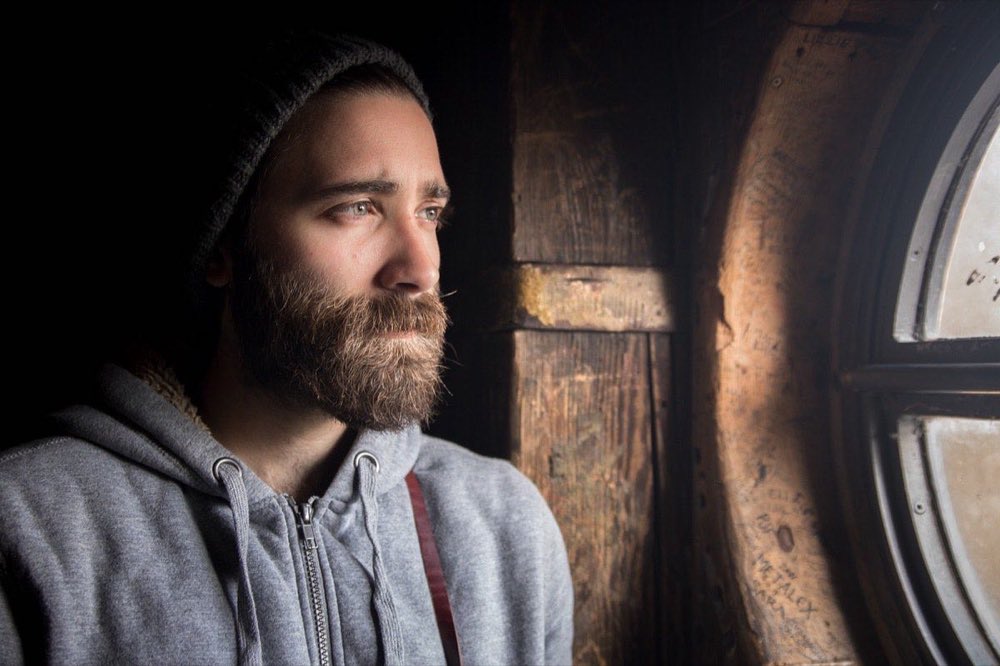
A big window is the cheapest softbox in the world. Seat the person at 45° to the glass, between 0.5 and 1.5 meters away, and shoot at f/2 and 1/200 s with ISO 400 on an overcast day. That is the entire setup: one room, one chair and no lights turned on.
What changes the result is the window and the time of day, because it doesn't light the same all day or from every angle. A midday with direct sun coming through the glass produces hard shadows; an overcast sky or a north-facing window creates an enormous diffuse source, perfect for skin.
Which window works and at what time?
Not all windows work the same. Look for a wide window through which no direct sun comes in at the moment of the session: indirect light from the sky is what acts as a giant diffuser. North-facing windows (in the northern hemisphere) give stable light almost all day.
If you only have windows with direct sun, you have two options: photograph when the sun no longer hits head-on, or hang a translucent white curtain (a bedsheet will do) to diffuse the beam. The curtain turns a hard light into an improvised two-meter softbox.
Turn off the room's artificial lights. Mixing the warm light of a bulb with the cool light of the window creates color casts that are hard to correct. If you want to go deeper into how light behaves according to the time of day and orientation, the guide to contemporary portrait photography develops these fundamentals in more detail.
Where do I place the person?
Place the person at 45° to the window, at a distance of between 0.5 and 1.5 meters from the glass. The closer to the window, the softer and more wrapping the light will be, but it will also fall off faster toward the opposite side of the face (more contrast).
Try these three basic positions:
45° frontal: soft Rembrandt-type light, with one side of the face lit and the other in half-shadow with a triangle of light under the eye.
90° side: split light, dramatic, ideal for character portraits in black and white.
Back to the window (backlight): silhouette or ethereal portrait if you expose for the face and let the background blow out.
Ask the subject to turn their face slightly toward the window: the eyes pick up the reflection of the glass (catchlight) and the portrait comes to life instantly.
What settings do I use with window light?
With window light you will be working with less light than it seems. These are solid starting points:
Scenario: Overcast day, subject near the window; Aperture: f/2 – f/2.8; Shutter speed: 1/200 s; ISO: 400
Scenario: Sunny day with diffusing curtain; Aperture: f/2.8; Shutter speed: 1/250 s; ISO: 200
Scenario: Dusk, dim light; Aperture: f/1.8; Shutter speed: 1/125 s; ISO: 800–1600
Scenario: Half-length portrait with context; Aperture: f/4; Shutter speed: 1/160 s; ISO: 640
Shoot in RAW, use spot metering on the face and turn on eye detection if your camera has it. Keep the minimum shutter speed at 1/125 s to freeze micro-expressions; if the light isn't enough, raise the ISO before lowering the shutter speed. A modern ISO 1600 is far more recoverable than a shaky photo.
Control contrast with a reflector
The side of the face opposite the window will fall into shadow. If the contrast seems excessive, place a white reflector (a piece of card, a polystyrene panel or a 5-in-1 collapsible reflector) on the opposite side from the window, about 50–80 cm from the subject.
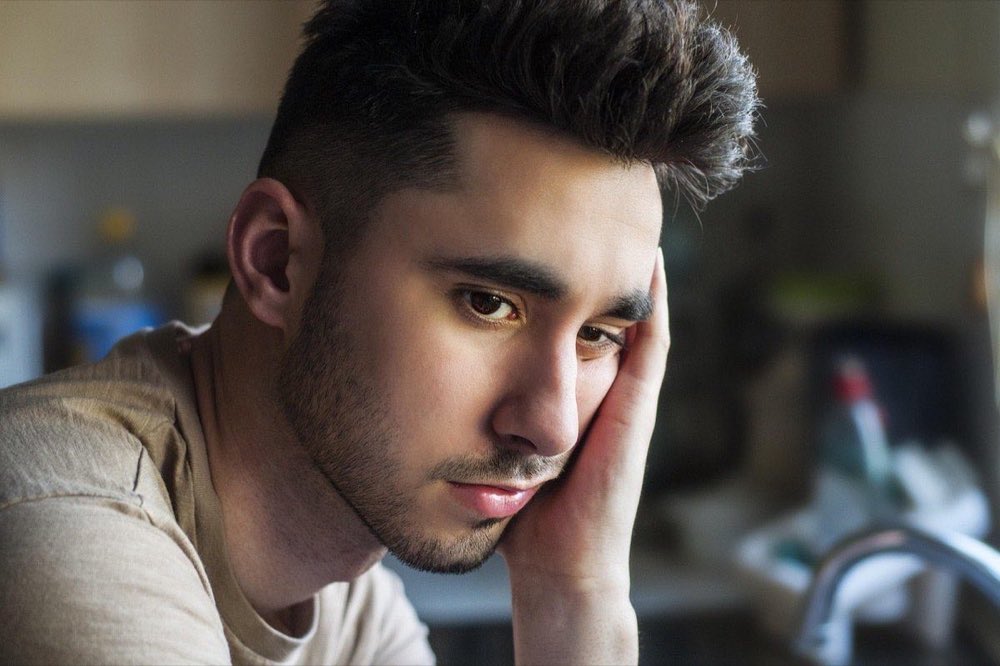
Move it closer or farther until you get the contrast ratio you want: right up against the face it almost eliminates the shadow (flat light, flattering for mature skin); at a meter it leaves a soft shadow with volume. Avoid the silver reflector indoors: it is usually too specular and creates hard highlights.
For a more dramatic look do the opposite: place a black card on the shadow side. This "negative fill" absorbs the bounced light and deepens the chiaroscuro, as I also explain in the article on contemporary portraiture with soul.
Why isn't the portrait quite working?
Eyes without sparkle: the subject is looking too far away from the window. Turn their face until you see the catchlight in the viewfinder.
Greenish or bluish white balance: window light on an overcast day is around 6500–7500 K. Adjust the white balance manually or correct in RAW; don't blindly trust auto.
Distracting background: when using wide apertures the background blurs, but a radiator or an outlet are still noticeable. Move the subject a couple of meters from the wall and look for neutral, dark backgrounds so the window light separates them naturally.
Shadows under the eyes: the window is too high relative to the seated subject. Raise them with a taller chair or bring them closer to the glass. Reading the article on natural light and how it changes throughout the day will help you anticipate these problems.
Frequently asked questions
Which lens is best for window light portraits?
A 50 mm f/1.8 is the most versatile option in small spaces: it gives you a half-length shot without you having to press against the wall. An 85 mm compresses features better, but you need at least 3 meters of distance to the subject.
Do I absolutely need a reflector?
No. The reflector is a control tool, not a requirement. Many window portraits work better with the natural shadow intact, especially in black and white.
Can I do window portraits with a phone?
Yes. The same principles of position and angle apply. Lock the exposure on the face and avoid digital zoom; physically move closer.
What do I do if the window is small?
Bring the subject very close (30–50 cm from the glass) so the source is proportionally large relative to the face. The closer, the softer the light.
The ten minutes that are worth a session
Seat someone next to your window and shoot the three positions in a row (45°, 90° and backlight) without changing anything else. In ten minutes you will see in your own home what each angle does to a face, and that comparison stays with you much better than any diagram. Write down the settings that worked in your space: the window doesn't change, so they are good forever.
The 44 printed Enfogram cards bring the settings for each lighting situation, to have them beside you without letting go of the camera or looking at your phone.