Second Camera: When and Which One to Buy
When buying a second camera makes sense: backup, crop sensors, dual systems and how to choose based on your real work.
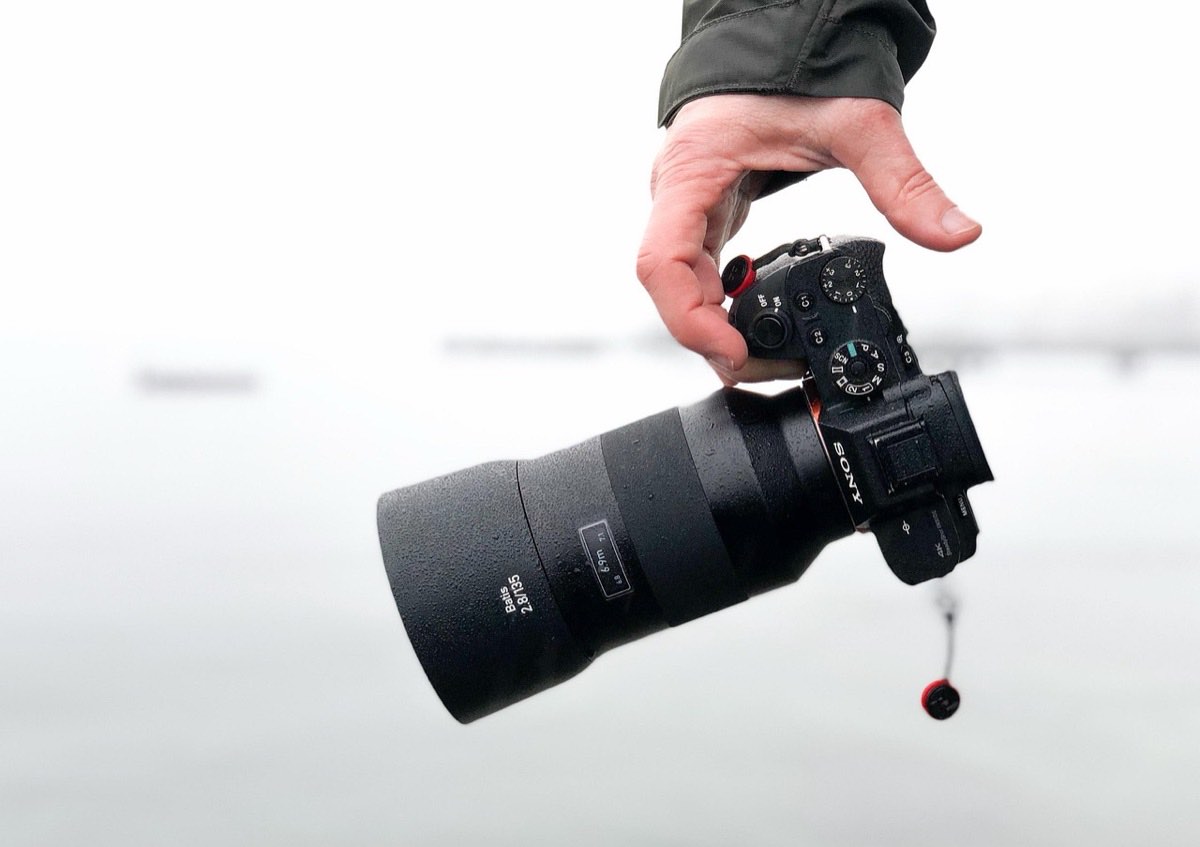
Deciding whether to buy a second camera is one of those questions many photographers settle on impulse ("a new model came out") instead of by real business need. A second camera is not a luxury when it provides backup in case of failure, when it covers a different focal length without changing lenses in the middle of an event, or when it expands what you can charge per project. It is a luxury when it only feeds the anxiety of having "the latest thing."
The right question is not "can I afford it?" but "what work can I no longer do without it, and how much is that work worth?" If the answer is concrete, the investment justifies itself.
This guide walks through the legitimate reasons for having two bodies, how to choose the second one (identical, superior or with a different sensor) and how to decide with numbers, not desire.
The real reasons to have a second body
Backup on irreplaceable jobs: a wedding, a one-time event, a commercial assignment with a fixed date. If your only camera fails halfway through coverage, there is no repeating it. Here the second camera is not an upgrade: it is insurance.
Two focal lengths at once: at events and weddings, carrying one body with a wide zoom and another with a telephoto mounted saves you lens changes at moments that won't come back (the kiss, the entrance, the goal).
Sensor specialization: a crop-sensor body gives you extra reach for sports or wildlife without buying a very expensive telephoto; a full-frame one performs better in low light and portraits. Having both covers extremes that a single body doesn't solve as well.
Working with an assistant or second shooter: if you hire or train a second shooter to cover additional angles, they need their own body compatible with your lenses.
Scaling the business to bigger projects: quoting coverage with "two camera angles" is a higher-value service that you can charge more for.
If none of these applies to you today, you are probably seeing the shine of a new product, not a need of your business; the broader reflection on equipment investment is in the guide to advanced equipment and maintenance. And if the real doubt is between investing in a new body or in a different lens, it is worth first understanding how your choice of focal length transforms your story.
Identical, superior or a different sensor: how to choose
Strategy: Same model (twin body); When it makes sense: Critical coverage with no margin for error (weddings); Main advantage: Identical menus and controls, zero learning curve under pressure; Risk: Higher cost, both bodies share design flaws
Strategy: Compatible previous model; When it makes sense: Tight budget, occasional backup; Main advantage: Low cost, same lens system; Risk: Menu and image quality differences between bodies
Strategy: Crop sensor as a complement; When it makes sense: You need extra reach (sports, wildlife) without spending on telephoto lenses; Main advantage: Crop factor multiplies your effective focal length; Risk: Lower low-light performance than a full-frame sensor
Strategy: Lightweight compact body; When it makes sense: Travel, street, discretion; Main advantage: Portability, a "pocket" camera always ready; Risk: Less manual control and, in some cases, lower quality
If you wonder how much extra reach a crop sensor really gives you when combined with your current lens, you can calculate the exact equivalent with this crop factor calculator before deciding whether you also need a new lens or whether the crop body already solves the problem with your current glass.
The financial calculation: when it pays for itself
Before buying, do this simple calculation: how many additional or higher-value projects can you take on thanks to the second body over the next 12 months, and how much do they add up to?
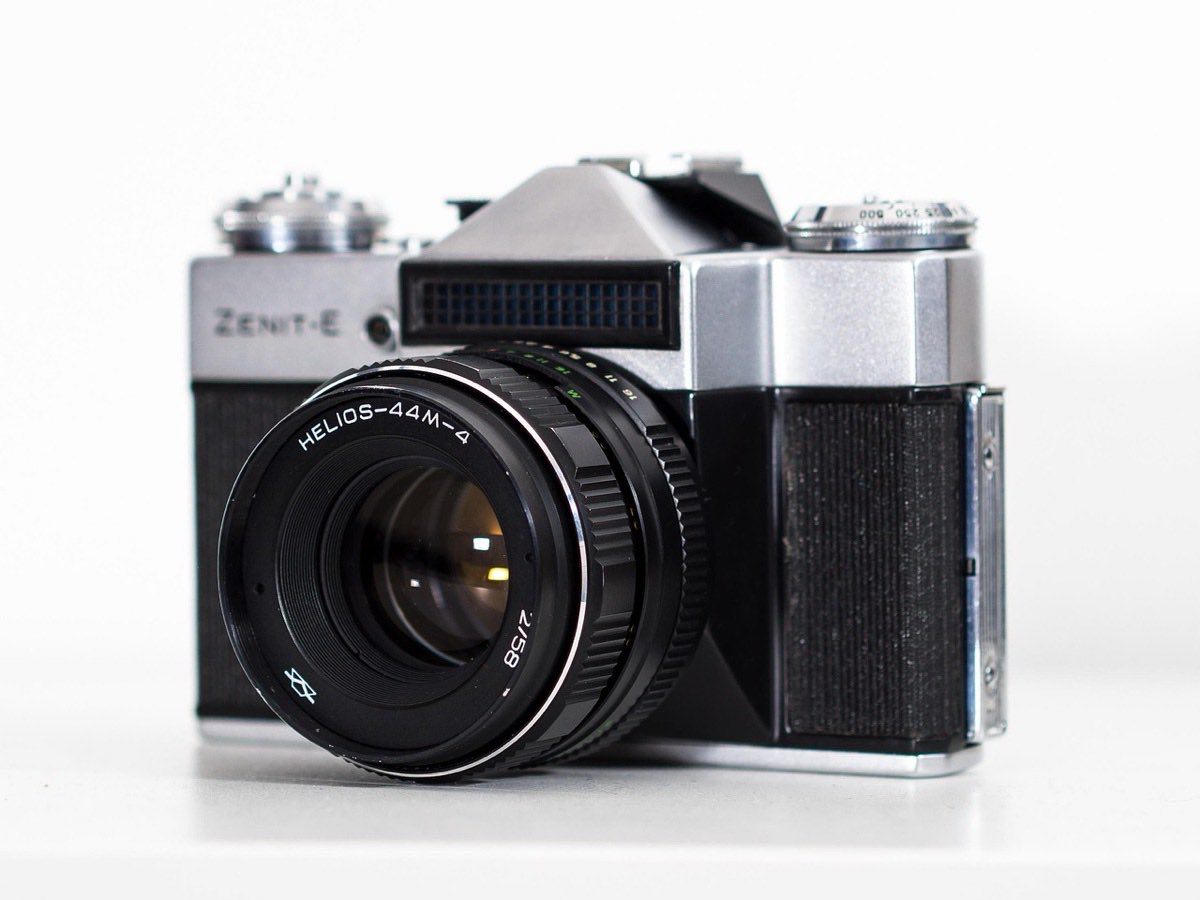
Illustrative example: a used body in good condition costs 800 USD. If with two cameras you can charge 150 USD extra per wedding thanks to two-angle coverage, and you shoot 8 weddings a year, that is 1,200 USD additional: the investment is recovered in the first year and the rest is net profit, not counting the value of backup in case of failures.
If, on the other hand, you have no way to increase income with the second body and you only buy it "just in case," consider it a peace-of-mind expense, valid if your budget allows it but not an investment that pays for itself. On how to tell the investment that grows your business from a catalog whim, there is more reflection in selling photos without selling your soul: pricing, marketing and service.
New, used or refurbished
New: full warranty, no prior wear. It makes sense for your main body or if you work high-value assignments where reliability is critical.
Manufacturer-certified refurbished: often 20–30% cheaper with a real warranty; an excellent option for the second body, which gets less use than the main one.
Used from a private seller: the cheapest, but it demands careful checking (shutter count, sensor condition, shutter operation). Ideal if you have experience evaluating equipment or go with someone who does.
Frequently asked questions
Does the second body have to be the same brand?
Almost always yes, to share the system of lenses and accessories. Switching brands for the second body is only justified if you are after a very specific feature your current system doesn't offer, assuming you will need additional lenses or adapters.
Can I start with a cheap used second body?
Yes, it is the most common route: many photographers start with a previous-generation used body as backup before investing in a twin identical to the main one. The important thing is that it shoots with your same lenses without complicated adapters.
When is it NOT worth buying a second camera?
When your workload doesn't yet justify the expense, when you don't have a clear plan for which projects you will use it on, or when your current body hasn't yet failed or limited you on any real assignment.
Is it worth renting before buying?
Absolutely. Renting a body for a specific project lets you test whether you truly need that second system (or that different brand) before committing capital, and it often reveals that occasional rental is more profitable than buying.
What it lets you do that you can't today
A second camera is justified by what it lets you do that you can't do today: real backup, two simultaneous angles or a different sensor's reach, not by the novelty of the model. The right decision comes from a calculation of additional income, not from a catalog impulse.
Before buying, write down which specific projects you would use the second body on over the next 12 months and how much extra income they represent. At Enfogram you will find the 44 photography cards with the exact settings for every situation: print them, carry them with you and shoot with confidence with the gear you already have or the gear you decide to add.