Contemporary Portraits: Technique and Connection
Contemporary portraits: which focal length and aperture to use, how to direct someone with no experience and how to get a real connection.
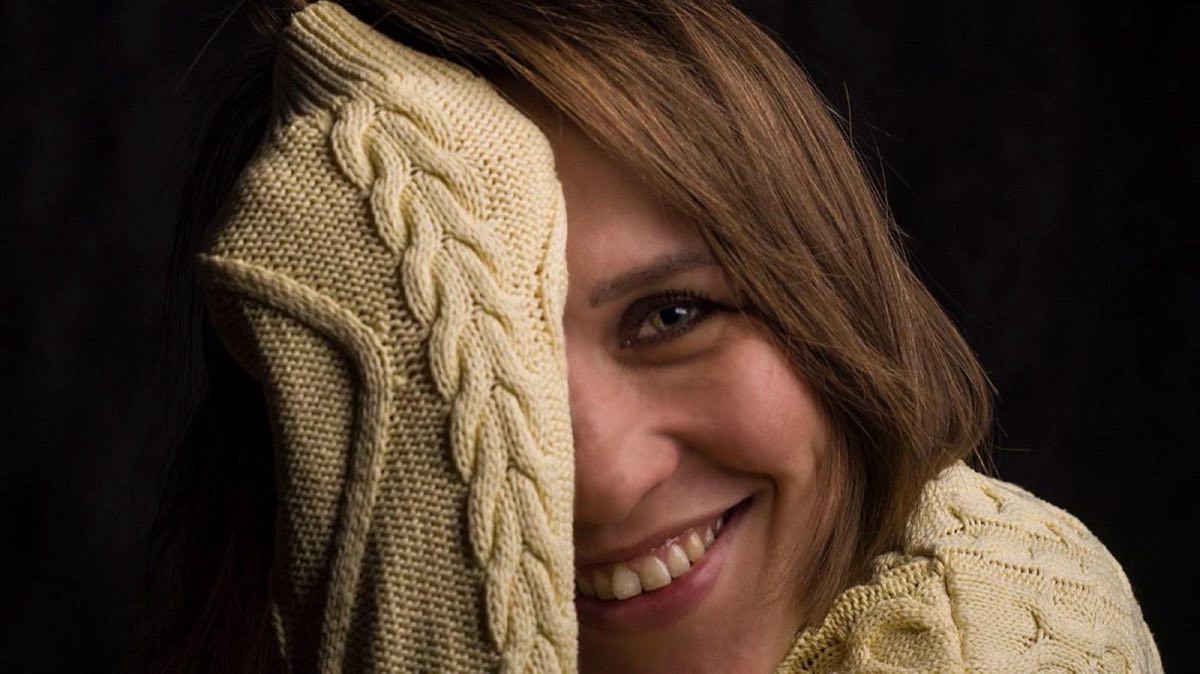
Contemporary portraiture goes far beyond sharpness and correct lighting. What defines it is the ability to connect emotionally with the person in front of the camera and convey their essence in a single image. A gesture, a glance or even a silence can say more than the perfect pose.
Achieving that connection takes sensitivity and technique in equal parts. Direction must be subtle and respectful, avoiding stiffness and letting naturalness flow. The contemporary photographer becomes observer, guide and storyteller at once, attentive to body language and to timing, that is, the exact moment when a micro-expression reveals something authentic.
But emotion does not replace technique. For an image to convey something with force, you need to master settings, lenses and focusing methods. Contemporary portraiture is built at the meeting of both worlds: personal narrative and technical precision.
What focal length and aperture do I use for each style?
Style: Classic on location or outdoors; Focal length and aperture: 85 mm, f/2.8; What you get: Compression and soft blur; isolates the subject
Style: Editorial; Focal length and aperture: 35 mm, f/5.6; What you get: The model's relationship with their surroundings
Style: Intimate, outside the studio; Focal length and aperture: 50 mm, f/1.8; What you get: Physical closeness and complicity
Style: Environmental; Focal length and aperture: 24 mm, f/8; What you get: The place as part of the identity
Each row is also a narrative choice: do you want to isolate the subject, show their world or capture a moment of intimacy? The answer defines the lens, the aperture and the working distance before you press the shutter. The guide to contemporary portraiture walks through each of these approaches with more examples.
The choice of focal length also influences the perception of facial proportions. Telephoto lenses slightly compress features, which is considered flattering in most portraits. Wide-angle lenses, used very close to the subject, can distort features and create an effect that, if unintentional, is unflattering.
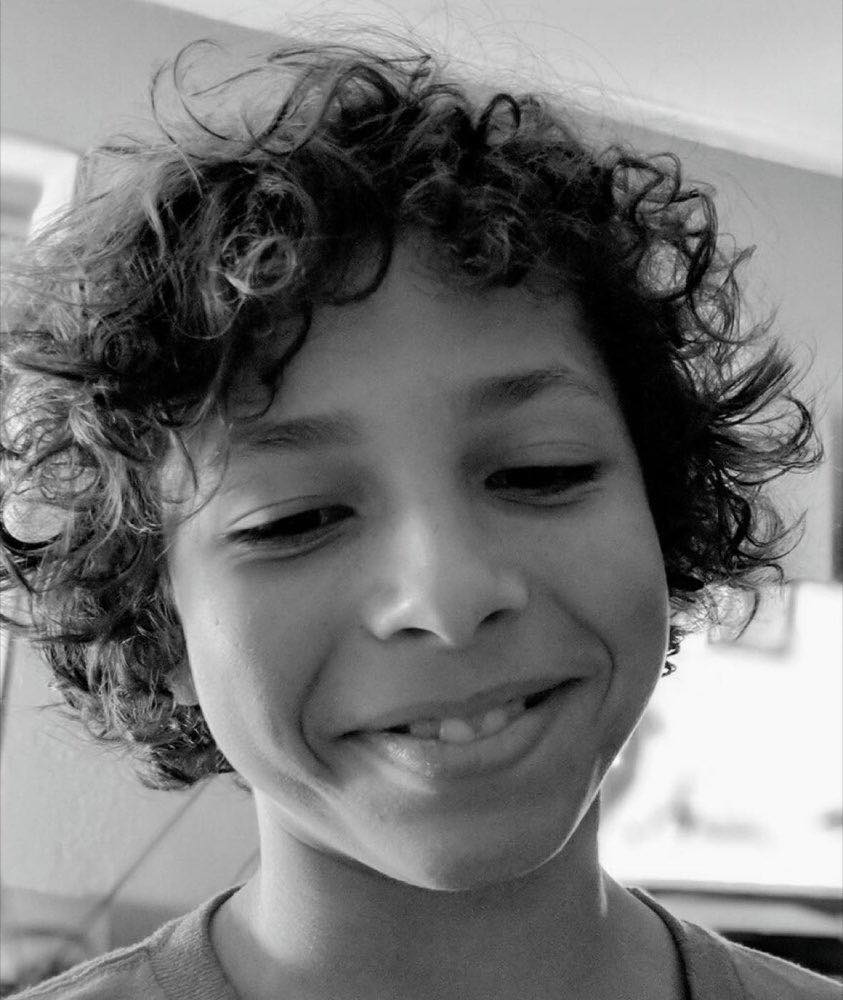
What settings do I use for a portrait?
The first technical principle is focusing on the nearest eye, since it is the strongest point of visual connection in a portrait. Using focus decoupled from the shutter button, focusing with a rear button (back-button focus), gives more control and avoids errors when there is movement. The minimum shutter speed should be 1/125s to guarantee sharpness, even with spontaneous gestures.
In low light, ISO 800 is preferable to risking slow shutter speeds; better a slightly noisy photo than a blurry image. Spot metering on the lit cheek ensures a balanced exposure, and compensation adjustments in automatic modes can vary depending on skin tone, avoiding both underexposure on dark skin and overexposure on light tones.
For outdoor portraits, natural light in photography is the perfect ally: the golden hour offers a warm, enveloping light quality that flatters skin tones and creates soft shadows that define volume without harshness.
What mistakes ruin a portrait?
One of the biggest mistakes is over-directing the subject, which produces stiffness and artificial poses. The portrait loses strength when the person becomes a puppet instead of a protagonist with a voice of their own. Another frequent mistake is always repeating the same aperture, limiting creativity and visual narrative.
Poorly positioned hands are another detail that can ruin a photo: they should flow naturally, never look forced or be cut off awkwardly. Finally, shooting without establishing a prior connection turns the portrait into a simple record, without emotional depth.
A frequent technical mistake is not checking the histogram in the first shots of the session. Outdoors with variable light, exposure can change quickly, and checking the histogram ensures that key detail isn't lost in the shadows or highlights.
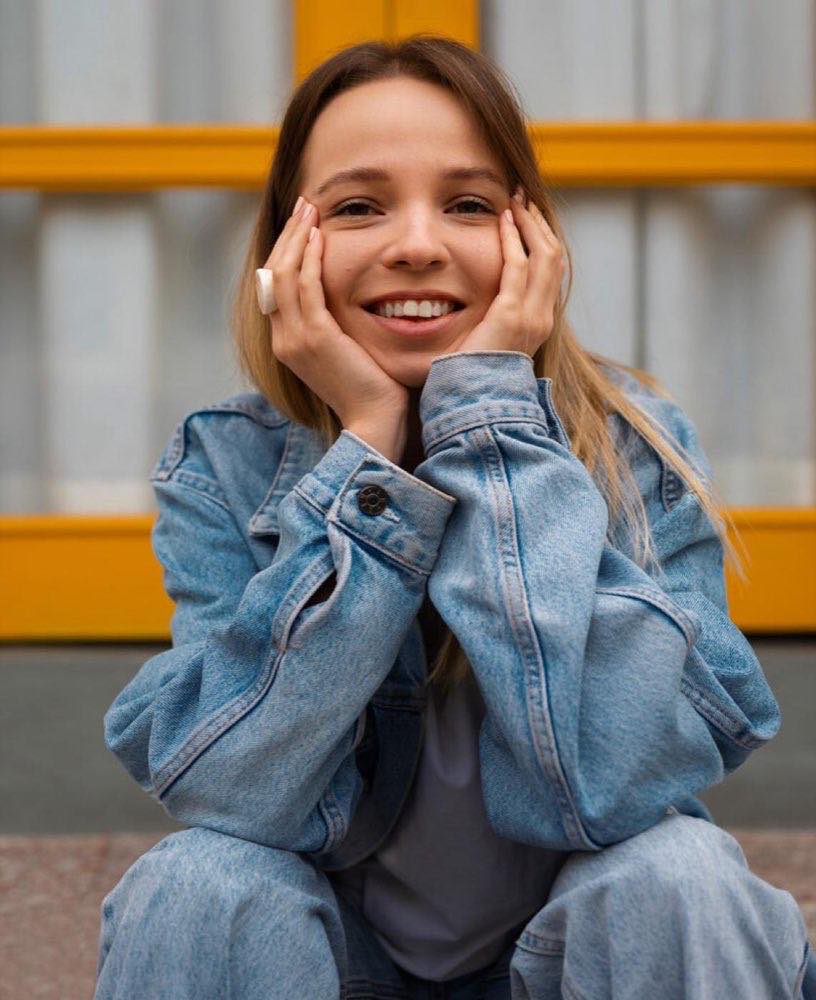
How to direct without it showing
Before shooting, spend a few minutes talking with the person being photographed. That initial chat relaxes tension and opens the door to more authentic expressions. During the session, work in sets of 3 to 5 shots: the micro-expressions that arise between poses are usually the most valuable and authentic.
In group portraits, an effective rule is to start from f/5.6 as a base to ensure everyone is within the depth of field, adjusting toward a wider or narrower aperture depending on the size of the group and the focal length.
Suggesting small actions instead of static poses produces more natural results: "walk toward me," "look toward that window" or "tell me something that makes you smile" produce more genuine moments than "put your arm here and look at the camera." The photographer who knows how to direct without directing gets portraits that look stolen from reality.
Post-production work is also part of contemporary portraiture. A conscious edit of color and light, one that reinforces the atmosphere of the session without altering the skin artificially, is what sets professional work apart from mediocre. The principles of photo editing from RAW to the final look close the process coherently.
Frequently asked questions about contemporary portraiture
What lens is best for contemporary portraits?
There is no single answer. The 85mm is ideal for classic portraits with background separation, while the 35mm or 24mm work better for editorial and environmental portraits where the surroundings are part of the narrative.
How do I get natural expressions from the person being photographed?
Talk and build trust before and during the session. Direction should be suggestive and not imposing, letting the subject express themselves. Suggesting actions instead of fixed poses helps break stiffness.
What matters more in portraiture: technique or emotional connection?
They are inseparable. Technique ensures image quality, but connection gives the portrait soul. Without emotion, even a technically perfect photo is empty and impersonal.
How do I light an outdoor portrait without extra equipment?
Look for open shade with a bright sky as a diffuse light source. White buildings or light-colored walls act as natural reflectors. Avoid direct midday sunlight, which creates harsh, unflattering shadows.
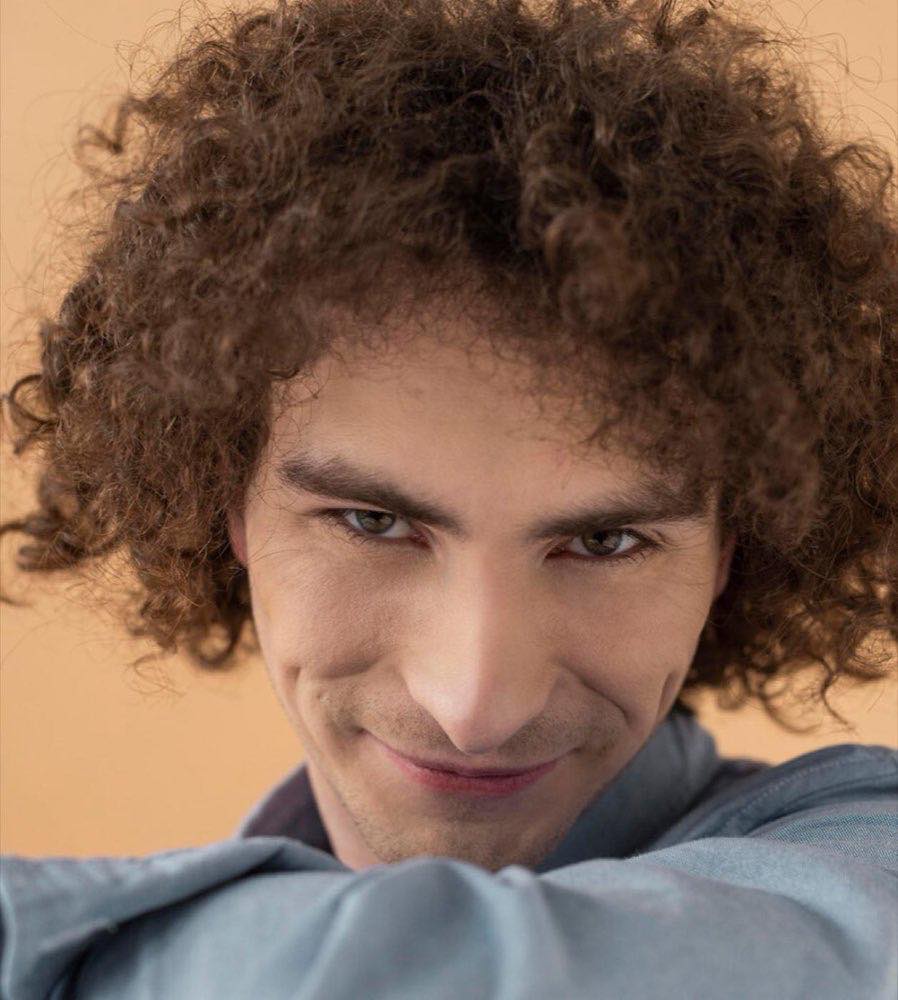
What to have sorted out before the session
Three things are up to you before the person arrives: the focal length and aperture that match the style you are after, focus on the nearest eye with back-button focus, and 1/125 s as the minimum shutter speed. With that settled, you can spend the entire session looking at the person and not at the camera.
The rest comes out of the conversation. Shoot in sets of 3 to 5 and keep what happens between poses.
The 44 Enfogram cards come with these portrait settings printed (focal length, aperture, ISO and minimum shutter speed) so you can review them in your pocket while the model gets comfortable.