Group Portraits: The Right Depth of Field
Key group photo settings: which aperture to use by number of rows, where to focus and how to calculate just the depth of field you need.
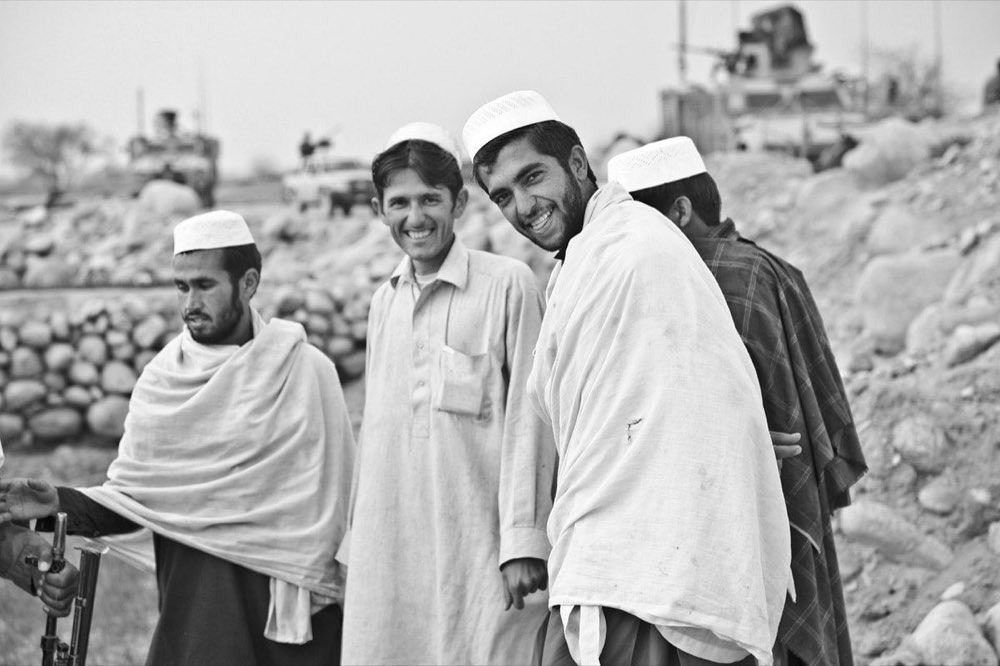
Every photographer has a ruined group photo in their history: grandma in the second row out of focus, or the whole group sharp but stuck against an equally sharp, chaotic background. Mastering the right group photo settings means resolving a real technical tension: you need enough depth of field to cover everyone, but not so much that the background competes with them.
The solution isn't memorizing "f/8 and done". It's understanding three variables (aperture, distance to the group and arrangement of the people) and knowing how to combine them according to how many rows are in front of you.
Let's get to it: practical rules by group size, exactly where to focus and the placement tricks that reduce the aperture you need.
The base rule: one aperture step per row
The deciding factor isn't how many people there are, but how many distance planes they occupy. Ten people in a single curved row need less depth than four people in two straight rows.
Proven starting points (group at 3–5 meters, focal length 35–50 mm):
Arrangement: 1 row (2–6 people); Minimum aperture: f/4; Where to focus: Eyes of the central person; Note: Curve the row toward the camera
Arrangement: 2 rows; Minimum aperture: f/5.6; Where to focus: First row; Note: DOF extends more toward the back
Arrangement: 3 rows; Minimum aperture: f/8; Where to focus: Second row (⅓ into the group); Note: Compact the rows: 50–60 cm between them
Arrangement: 4+ rows / large group; Minimum aperture: f/11; Where to focus: One third of the group's depth; Note: Use stairs or a height difference
Arrangement: Couple very close together; Minimum aperture: f/2.8; Where to focus: Eye closest to the axis; Note: Heads in the same plane
The "one third" logic: at medium distances, depth of field is distributed roughly one third in front of the focus point and two thirds behind. Focusing on the first of three rows wastes sharpness in front of the group; focusing on the front-center uses it fully. All these concepts are developed in the guide to depth of field, the reference for understanding what's behind these numbers.
Calculate instead of guessing
The values in the table work in typical scenarios, but they change with focal length and distance: at 85 mm and 3 meters, f/8 covers much less than at 35 mm and 5 meters.
Before an important session, calculate the exact sharp zone with the depth of field calculator: you enter focal length, aperture and distance, and you know how many centimeters of sharpness you have in front of and behind the focus. With that figure you decide whether your three-row group fits at f/5.6 or demands f/8.
Field trick: if you're torn between two apertures, stop down one stop and compensate with ISO. A clean ISO 800 is worth more than a soft face in the back row, which can't be fixed.
Position the group so you need less aperture
Smart placement reduces the distance planes and gives you stops of aperture:
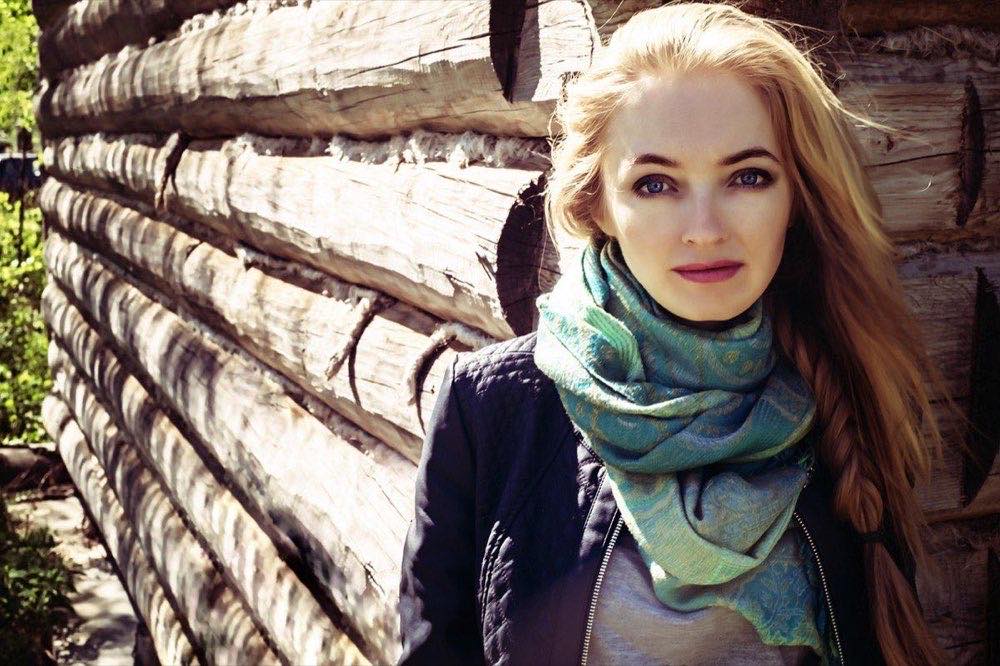
Curve the rows: form a gentle arc toward the camera, so the ends are at the same distance as the center. A curved row of 8 people fits at f/4.
Compact the depth: ask the rows to move closer together ("shoulder almost touching the back of the person in front"). Every 30 cm less of group depth is aperture gained.
Heads at different levels, bodies close: seated, kneeling, standing; stairs and benches create visual interest without adding distance.
Step back yourself: doubling the distance to the group multiplies the depth of field. Going from 3 to 5 meters with a 50 mm usually lets you open up a whole stop.
And once they're positioned, shoot bursts of 3–4 photos per pose: in groups there are always closed eyes, and having the same shot repeated lets you swap heads in editing if needed.
Shutter speed, light and the other settings
Aperture doesn't live alone. Complete the recipe:
Minimum shutter speed 1/125 s for groups of still adults; 1/250 s if there are children in the group. In large groups someone is always swaying.
Auto ISO capped at 3200: let it absorb what the stopped-down aperture demands.
Even light for everyone: open shade is ideal. Avoid dappled light from trees (blotchy faces) and side sun that lights half a row. If you use flash, bounced or held high, check that it reaches the ends evenly.
Focal length 35–50 mm (equivalent): wider distorts the people at the edges; longer demands enormous distances.
Focus with a single point selected by you (not automatic area, which will choose whoever it likes) on the face in the right row. Face detection helps only in single rows; in groups with several rows, single point rules. These fundamentals appear applied to weddings and celebrations in the article on event photography and authentic emotions, and blur control in depth in depth of field with intention.
Frequently asked questions
Why not always use f/11 to be safe?
Because you pay in ISO or shutter speed (risk of camera shake and noise), you lose separation from the background and on many lenses f/11 starts to lose sharpness to diffraction. The right aperture gives sharp groups AND clean backgrounds.
Where do I focus on a two-row group?
On a face in the first row. Since depth extends mostly toward the back, f/5.6 at normal distance covers the second row with margin.
What do I do with huge groups (30+ people)?
Look for height (a ladder, a balcony) and shoot slightly downward: it reduces the distance differences between rows. F/8 – f/11, 1/250 s, ISO whatever it takes and several bursts.
Does the phone's portrait mode work for groups?
Computational blur fails with several rows: it cuts out the people in the back badly. Turn it off for groups; use normal mode, which keeps everything sharp.
Arithmetic plus placement
The perfect group photo is arithmetic plus placement: an aperture matched to the number of rows, focus a third of the way into the group's depth and curved, compact rows that reduce the problem before you solve it with the aperture. With the table in this article and the calculator, it stops being a lottery.
The next family gathering is your laboratory: try f/5.6 with two curved rows and compare. At Enfogram you'll find the 44 photography cards with the exact settings for every situation: print them, carry them with you and shoot with confidence.