Editorial Photography: Light, Attitude and Story
Create editorial photography that communicates visual narratives: light, attitude, directing models and series consistency with a voice of your own.
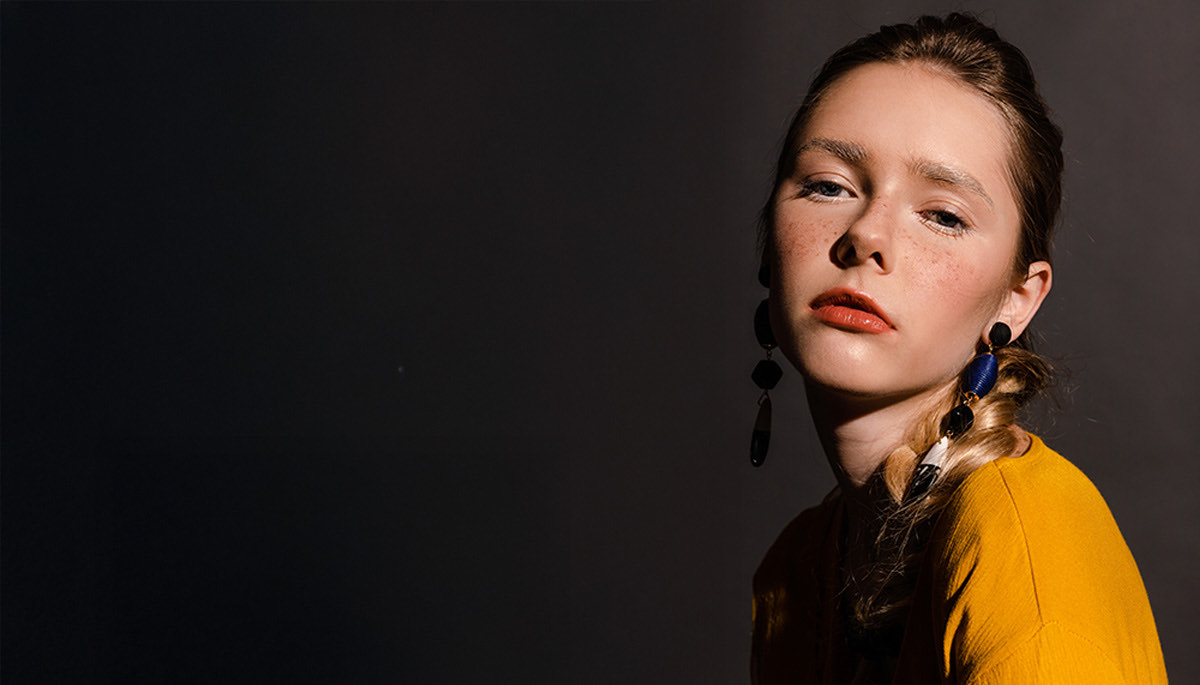
In editorial photography creative direction always comes before the lighting setup: decide what you want the viewer to feel and only then choose lens, lighting scheme and palette. Every frame, every gesture and every shadow is part of a story, not a technical demonstration.
This type of photography is distinguished by attitude and visual consistency. The editorial photographer directs, interprets and shapes the scene with precision. Instead of waiting for the moment, they create it. And in that process, light becomes the central language of the whole narrative.
Where does an editorial series begin?
An editorial series begins with a story. It can be literal (a fashion narrative, an artist portrait, a visual essay) or completely conceptual. What matters is that there is a clear narrative intention: what do I want the viewer to feel when they see this image?
From there, every technical decision makes sense. The choice of lens defines emotional distance, the composition guides the path of the eye, and the light sets the tone: soft and wraparound for the romantic, hard and lateral for the dramatic, diffused and flat for the surreal.
In editorial photography, technique does not lead the story: it serves it, and it is there to reinforce the central idea. A common mistake is to start with the gear or the lighting setup before the concept is clear. Creative direction must always come before the technical setup.
How do I direct the model's attitude?
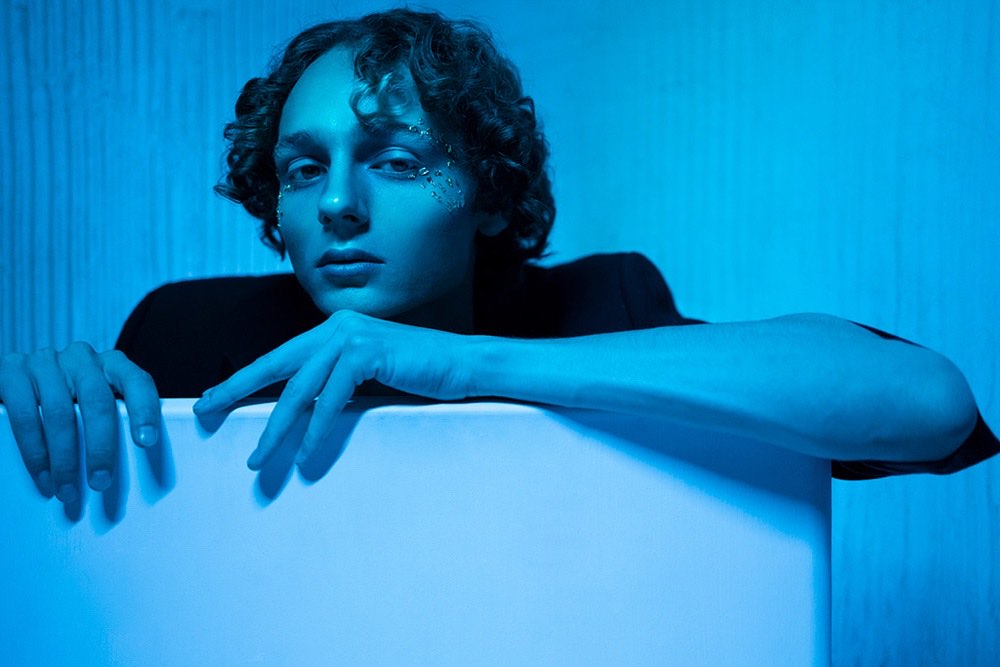
While in other genres naturalness may be the priority, in editorial the subject's attitude is everything: the model performs, they do not pose. The gaze, the posture, even the silence between shots communicate an inner narrative.
The photographer has to be a director: guide without forcing, provoke without losing authenticity. That connection between the one photographing and the one posing is what turns a technically correct image into a photograph with intention.
An editorial portrait does not aim for the person to "look good," but to look interesting, powerful or mysterious depending on the story you want to tell. Working with visual references beforehand (moodboards shared with the model before the session) greatly speeds up the connection and reduces the dead time of "warming up" at the start.
Verbal direction matters too: specific instructions ("shift your weight to your left foot," "look over your shoulder as if you heard a distant noise") produce more natural and interesting postures than abstract requests ("be more powerful"). Precision in direction is a skill that can be trained.
What light do I use for each tone of story?
Controlling light in editorial photography is like the script in a film: invisible, but decisive. Each source has a narrative function. The main light (key light) builds volume, the fill light defines character, and the separation light (rim or backlight) gives three-dimensionality and elegance.
Tone of the story: Romantic, elegant or nostalgic; Light that supports it: Soft and wraparound
Tone of the story: Dramatic, with strength and character; Light that supports it: Hard and lateral, with deep shadows
Tone of the story: Surreal; Light that supports it: Diffused and flat
Tone of the story: Control or vulnerability of the character; Light that supports it: Overhead
Even the absence of light can be a resource: what is not shown also counts.
In editorial studios, it is common to work with simple, controlled setups (a single side source and a reflector, or one hard point light), precisely to maintain visual consistency and reinforce the story with economy of means. Technical simplicity frees up mental attention to concentrate on direction and narrative.
To build those setups, the guide to studio lighting starts from a single source, and the article on studio lighting for portraits and products gathers the complete setups.
Color as a narrative tool
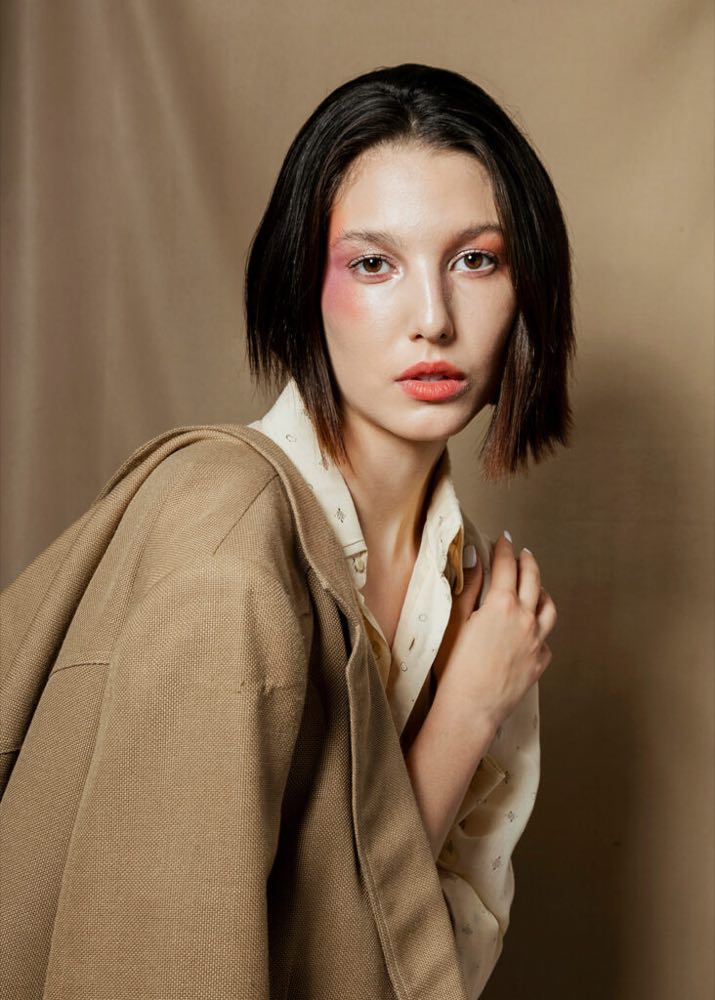
In an editorial series, the color palette is not a post-production detail: it is a creative decision that must be made before shooting. Cool, desaturated colors convey distance, coldness or modernity; warm, rich tones evoke nostalgia, intimacy and warmth.
Keeping the palette consistent across all the images in the series is as important as the narrative concept. An image with raw tones followed by another with vivid colors breaks the visual unity of the project and weakens the overall impact.
Working with a predefined palette (three or four dominant tones) from the casting, wardrobe and set design guarantees that color consistency is real and not a patch applied in Lightroom.
The mistakes that break a series
One of the most frequent mistakes in editorial photography is prioritizing effect over narrative. Complex lighting or excessive retouching can destroy the emotional consistency of the series. Another mistake is not defining a color palette or not keeping consistency between images: every shot should feel like part of the same universe.
It is also common to lose connection with the model. Without clear emotional direction, the image ends up aesthetic and empty.
An additional mistake is not reviewing the images during the session to verify that the narrative is working. Taking brief pauses to evaluate the material captured so far lets you correct the creative course before it is too late.
Professional techniques and creative approach
Think in series, not in single photos. A good editorial flows: from the first portrait to the last, you should feel evolution, rhythm and visual closure.
Planning with moodboards, testing variations of light (from soft to hard) and playing with scale (from wide shots to intimate details) lets you create narrative depth. And in editing, keeping consistency of tone, contrast and color is as important as the capture itself.
The creative bracket technique (capturing variations of the same frame with a different attitude, posture or expression) ensures you have options in the selection without needing to restart the whole setup. It is a practice that saves time and multiplies the richness of the material.
For those looking to expand their visual language beyond conventional editorial, experimental photography techniques such as light projections and multiple exposures open up narrative possibilities that many editorial photographers already incorporate into their series.
Frequently asked questions
What is the difference between an editorial session and a commercial one? Editorial communicates an idea or emotion, while commercial seeks to sell a product or service. However, both can coexist: a good commercial campaign has an editorial soul when the visual narrative is well defined.
How many photos should an editorial series have? Between 6 and 12 coherent images are usually enough to build a solid narrative without visual repetition. More than 15 images in an editorial series generally dilute the impact of the whole.
What type of light works best? It depends on the concept. Hard side light for strength and character; soft wraparound light for elegance or nostalgia. There is no universal answer, but a right answer for each specific story.
Can you do editorial photography with natural light? Yes, as long as you control the direction and quality of the light. What decides it is the narrative intention, not the gear. A window with no direct sun, or one on a cloudy day, provides a soft, wraparound light that many studios try to replicate with diffusers.
How to prepare your next series
Before touching a light: write in one sentence what you want the viewer to feel, choose three or four dominant tones and share them with the model in a moodboard. The casting, wardrobe and set design come from there, not from Lightroom.
During the session, take pauses to review the material and check that the series is moving forward. And aim for between 6 and 12 images: past 15, the set loses strength.
The 44 cards from Enfogram have the lighting setups and direction guidelines described here printed on them, so you can have them in front of you on set without opening the computer.