Photographer's Checklist Before You Go Out to Shoot
The complete checklist before every photo outing: gear, camera settings and planning, so you never miss a shot.
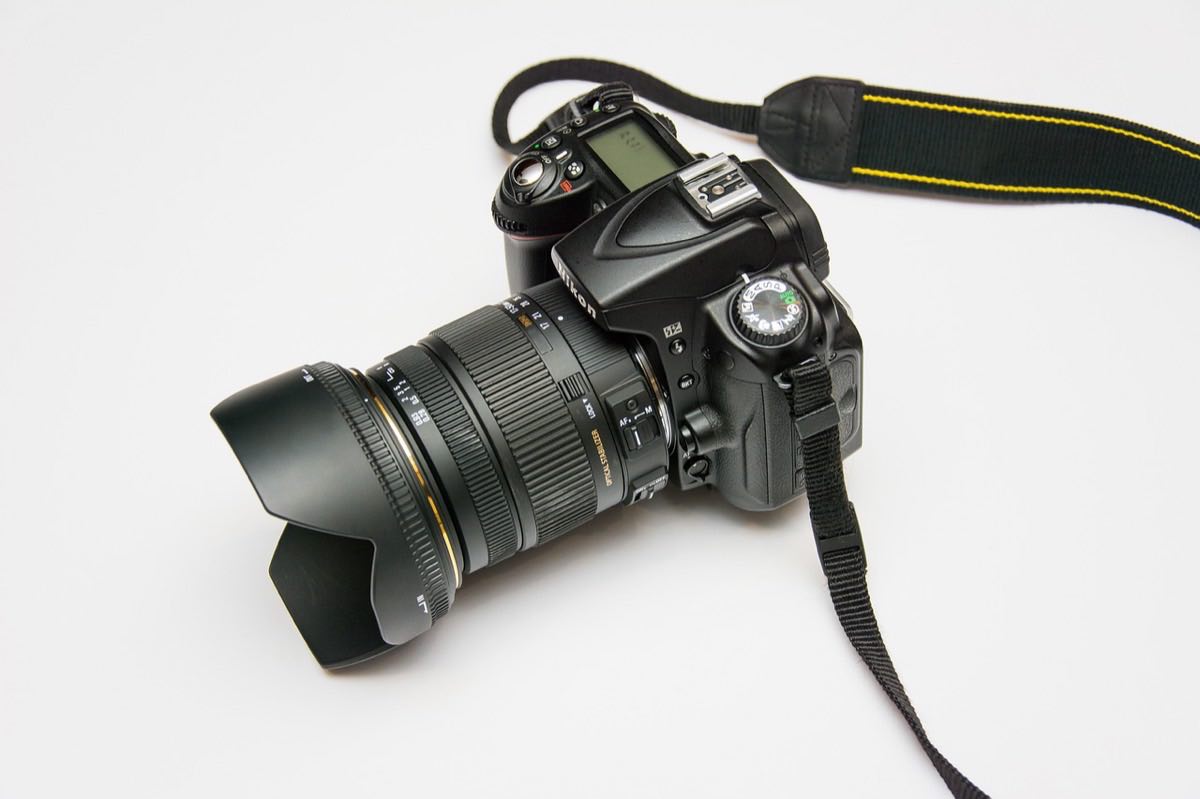
Arriving at the perfect spot, in the perfect light, and discovering that the battery is dead or the memory card stayed in the computer is one of the most avoidable frustrations in photography. A checklist before you go out to shoot turns that preparation into a two-minute habit instead of a constant risk.
The idea is not to memorize a huge list every time, but to have a fixed routine that runs almost on autopilot before any outing, from a quick walk to a photo trip planned weeks in advance.
This guide organizes the checklist into three blocks: physical gear, camera settings and session planning.
Block 1: physical gear
Battery(ies) charged to 100%, plus a spare if your session lasts more than two hours.
Memory card empty or with enough space, and verified inside the camera (not just "inserted").
Clean lenses, with no fingerprints or dust on the front element.
Tripod and mounting plate, if the session includes long exposure, landscape or night photography.
Filters you need (ND, polarizer) for the light you expect.
A good system for file management and workflow starts here: arriving with cards already downloaded and formatted from the previous session prevents lost shots from lack of space.
Block 2: camera settings before you leave
Before putting the camera away after the previous session, or right before starting the new one, check:
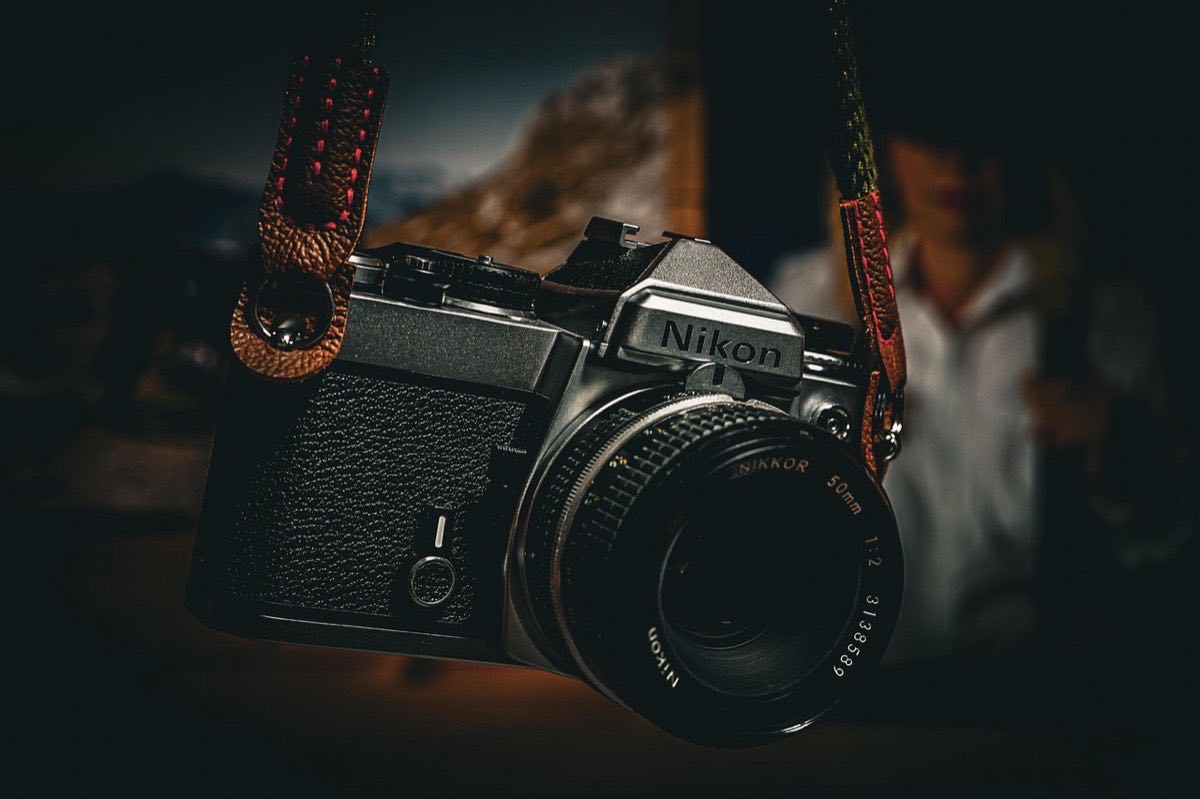
File format: RAW, JPEG or both, depending on what you need for that session.
White balance: auto for most cases, or preset if you know the light will be constant (studio, shade, tungsten).
Exposure compensation at zero, unless you know exactly why you left it adjusted last session. This is the most common and silent mistake: photos from an entire session that are brighter or darker than expected.
Correct focus mode: continuous for movement, single for static subjects.
ISO: auto with a reasonable cap, or manual if you fully control the scene.
Block 3: session planning
Before heading out, spend five minutes thinking: what kind of light will there be at the time you arrive? Do you need to plan for the golden hour or will you shoot in more neutral conditions? Does the weather change your gear priorities?
Also check the forecast if you are going outdoors, confirm sunrise/sunset times if you depend on specific light, and have a plan B if the main location does not work because of weather or access. For landscape outings specifically, this same process is covered in more depth in planning a landscape outing: complete guide.
Summary checklist to print or save
Block: Gear; Item: Battery charged + spare; Checked: ☐
Block: Gear; Item: Card with space, verified in camera; Checked: ☐
Block: Gear; Item: Clean lenses; Checked: ☐
Block: Gear; Item: Tripod/filters if needed; Checked: ☐
Block: Camera; Item: Correct file format; Checked: ☐
Block: Camera; Item: Exposure compensation at 0; Checked: ☐
Block: Camera; Item: Appropriate focus mode; Checked: ☐
Block: Plan; Item: Light times checked; Checked: ☐
Block: Plan; Item: Weather and plan B considered; Checked: ☐
Frequently asked questions
Do I have to run this checklist every time, even on short outings?
Always do the first three checks (battery, card, exposure compensation at zero); they cost seconds. The rest depends on how important the session is.
How do I avoid forgetting to reset exposure compensation?
Make it the last step before putting the camera away at the end of a session, not just before starting the next one: that way it is never left adjusted without your knowing.
Is it worth having a physical list or a phone app?
Yes, especially at the beginning. A simple note on your phone or a physical card in your bag removes the dependence on memory under pressure or in a hurry.
What happens if I forget something from the checklist while on location?
If it is the battery or the card, there is usually no fix in the moment; hence the importance of checking before you leave home, not when you arrive at the location.
The two minutes that save the session
A simple checklist, run in under two minutes, eliminates most of the avoidable mistakes that ruin entire sessions: a dead battery, a full card, or settings forgotten from the previous session. It does not require extraordinary discipline, just making it a routine.
Keep this list where you will see it before every outing, and in a couple of weeks it will become automatic. At Enfogram you will find the 44 photography cards with the exact settings for every situation: print them, carry them with you and shoot with confidence.