RAW vs JPEG: Which Format to Use and When
RAW or JPEG: find out which format suits your workflow in 2025. A practical comparison of advantages, limitations and when to use each one.
For years, the debate between RAW and JPEG has divided photographers. Some defend the flexibility of RAW as if it were a religion; others prefer the speed and lightness of JPEG. But the useful question is a different one: what does each format bring with modern cameras and the workflow you have.
RAW is usually described as the "digital negative": it preserves all the information from the capture, with no destructive compression and with a wide dynamic range that allows extensive adjustments in post-processing. JPEG, on the other hand, is a file processed inside the camera: compressed, ready to share and with a much smaller size. Both have advantages and limitations; the secret is knowing when each one is the right choice.
What do you get from shooting RAW?
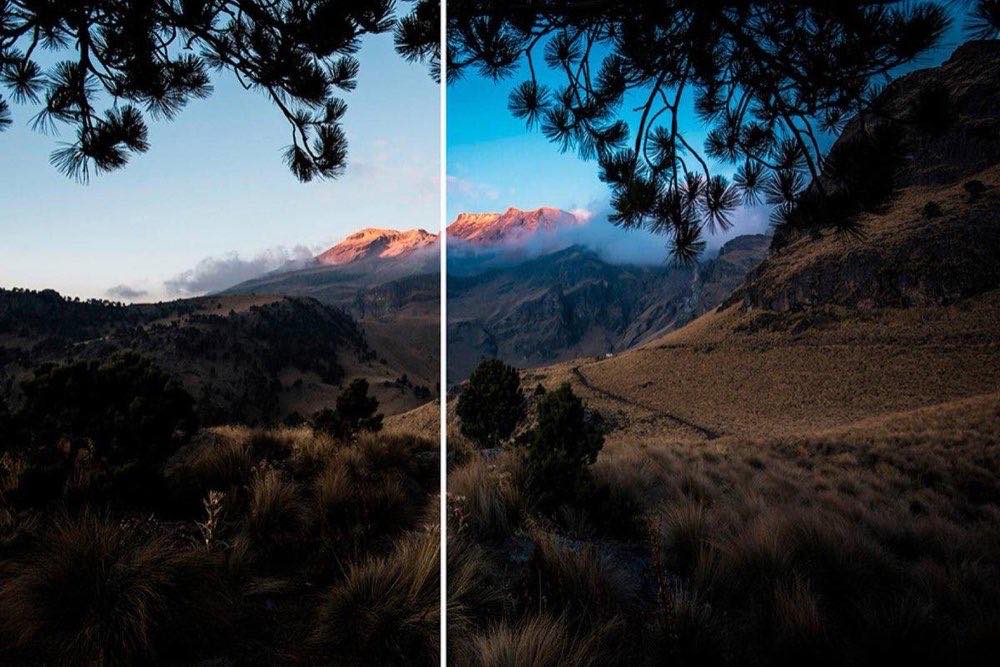
Shooting RAW means capturing all the potential the sensor can offer. With it, you can recover detail in deep shadows or overexposed skies, adjust white balance without loss and apply color or sharpening corrections non-destructively.
This format is especially useful in high-contrast scenes, such as landscapes with dramatic skies, backlit portraits or events where lighting conditions change constantly. It is also the preferred option for commercial, fashion or product photography, where fine post-processing is indispensable.
The cost of this freedom is size: RAW files are heavier, require editing software and demand more storage. But today, with more affordable drives and programs like Lightroom, Capture One or even mobile editors that process RAW, the barrier is no longer as big as it was a decade ago.
Working in RAW forces you to keep your files organized. The guide to RAW vs JPEG goes into the detail of each format, and the digital workflow in photography saves you the hours lost searching for files or redoing edits.
What do you get from shooting JPEG?
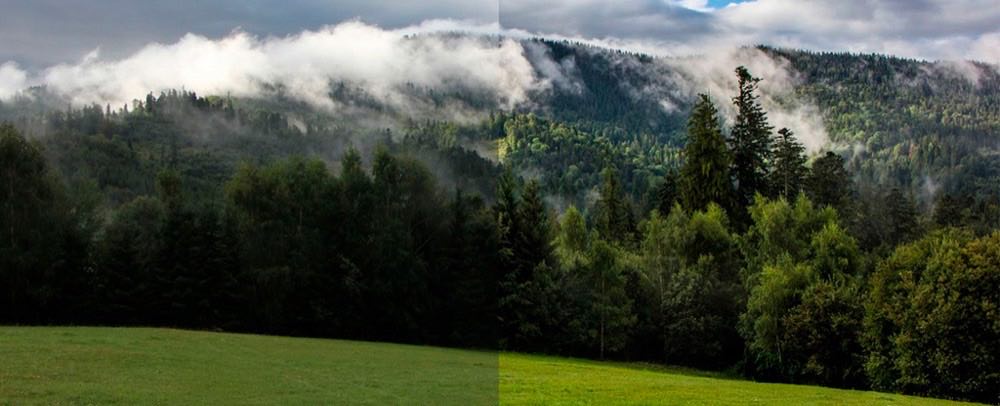
JPEG remains the most universal and functional format. Current cameras apply increasingly sophisticated internal processing: color adjustments, noise reduction, sharpening and creative profiles ready to use.
Its main advantage is immediacy: you can shoot, transfer to your phone and share within minutes. In fast coverage (such as social photography, press or sports) that agility is what counts. Also in situations where later editing is not a priority and the workflow demands speed.
The drawback is that JPEG stores less information. Exposure or white balance errors are harder to correct without degrading quality. It is a format designed to get it right in camera, not to "fix it later." This makes correct exposure at the moment of capture even more important when working in JPEG.
Mastering exposure compensation is especially valuable for those who work in JPEG, since the margin for later correction is much smaller and every EV counts in camera.
When does RAW+JPEG mode make sense?
Many cameras let you shoot RAW+JPEG, which opens up a practical balance: you have one file ready for immediate use and another for deep editing. This mode is ideal on trips, weddings or projects where you need to show quick progress but also keep maximum quality for later editing.
Today there are even mobile workflows that let you edit RAW from your phone or tablet, narrowing the historical gap between flexibility and practicality. That is why the decision is no longer so rigid: it depends more on your purpose than on a fixed rule.
RAW+JPEG mode has its own cost: it saves two files per shot, so it takes up noticeably more space on the memory card, and slows the camera's buffer in burst. For sports or wildlife photography where shooting speed is critical, this can be a deciding factor.
How do I choose between the two in my case?
| RAW | JPEG | |
|---|---|---|
| Editing margin | Wide: shadows, highlights and white balance without loss | Short: every adjustment degrades the image |
| File size | 3 to 5 times a high-quality JPEG | The lightest |
| Ready to share | No, it has to be developed | Yes, straight from the camera |
| Burst | The buffer fills sooner | Allows longer bursts |
| Where it rules | Fashion, product, advertising, high-contrast scenes | Press, sports, social events, social media |
Applied to your situation:
Available editing capacity: if you have time and tools to edit, RAW offers more control. If time is short, a well-adjusted JPEG can be enough.
Final purpose of the images: commercial and high-end photography generally requires RAW. Content for social media or quick coverage works very well in JPEG.
Storage capacity: RAW files can be 3 to 5 times heavier than a high-quality JPEG.
Required shooting speed: in sports or wildlife, the camera's buffer fills more slowly with JPEG, allowing longer bursts.
A strategy widely used by professional photographers is to shoot JPEG during the fast coverage of the event and reserve RAW for the most important shots or the ones they know will need extensive editing.
Frequently asked questions about RAW vs JPEG
Do I lose quality if I shoot JPEG?
Yes and no. JPEG compresses the information, which means you will have less margin to edit. But if exposure and white balance are right in camera, a JPEG has a final quality very similar to what you can achieve by editing a RAW without major corrections.
Is RAW always better than JPEG?
Not necessarily. RAW offers more flexibility, but it requires more time, storage and post-production. If your priority is speed and the final result satisfies you straight from the camera, a well-made JPEG is more efficient.
Is it worth shooting RAW+JPEG?
In many cases, yes. It is the best option when you need immediate results to share and at the same time keep maximum-quality files to edit later. The cost in space and buffer speed is worth it in sessions where you can't repeat the shot.
Can I edit a JPEG as if it were a RAW?
You can edit it, but with less margin. Every adjustment on a JPEG degrades the image a little, while in RAW you work with richer, more flexible information. Exposure and white balance adjustments are the ones that suffer most in JPEG.
What do professional photographers use?
It depends on the job. In fashion, product or advertising, RAW predominates. In sports, press or social events where immediacy is key, JPEG or RAW+JPEG mode is more common.
How to set up your camera today
If you are going to edit and have plenty of card space, RAW. If you deliver or publish the same day, JPEG and nail the exposure in camera. If you don't know beforehand (trip, wedding, long reportage), RAW+JPEG and accept more card space.
The one rule that doesn't change: in JPEG, you decide every EV in the moment, because afterward there is no margin.
The 44 cards from Enfogram have the exposure settings you need printed on them for when you shoot JPEG and can't rescue anything in development.