Product Photography for Small Brands
A practical guide to product photography for entrepreneurs: setup, lighting, camera settings, backgrounds and sample prices per batch of photos.
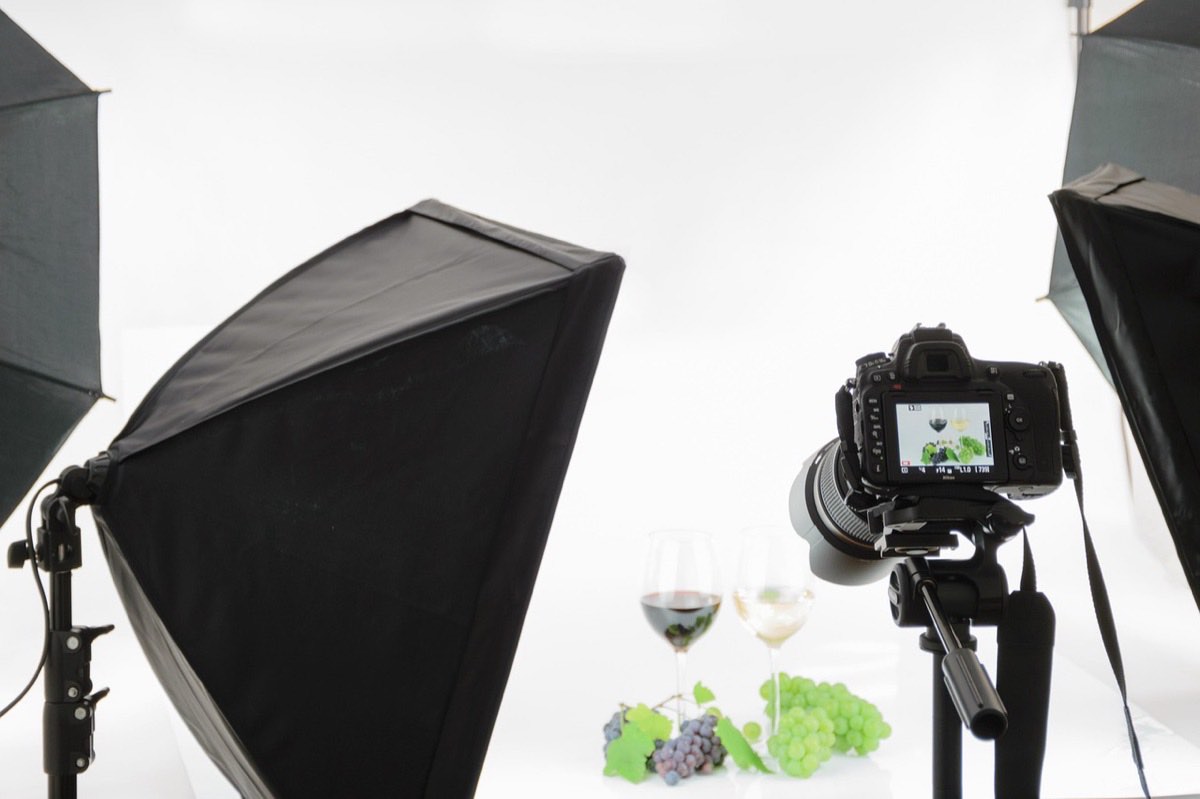
Product photography for small brands is one of the most stable niches a photographer can work: entrepreneurs need new photos all year round, the work can be done in batches and it doesn't depend on the availability of people or the weather. Besides, with a well-solved setup, a single set produces dozens of photos in one session.
The challenge is not artistic but technical: unwanted reflections, harsh shadows, colors that don't match the real product and unclean backgrounds are the mistakes e-commerce clients reject most, because there the exact color of the product matters for the sale.
This guide covers the setup, the lighting, the camera settings and how to price a service that is quoted differently from a session with people.
Basic setup: the product table
You don't need a big studio to start. A minimum viable setup:
White table or surface ("infinity" table): a curved board with white paper or vinyl that rises up the back without marking the angle, eliminating the horizon line.
Two light sources: a main one (a large window with diffused light, or a softbox) and a fill (white reflector or a second soft light) to control the contrast of the shadows.
Tripod: for product work, the camera must be fixed; it allows identical framing between color variants and makes batch retouching easier.
Additional colored or textured background: wood, fabric or colored card for products that need a warmer context (food, handmade cosmetics).
The complete guide to product and commercial photography goes deeper into how these principles of main light, fill and shadow control adapt according to the type of item and the final use of the images.
Camera settings by product type
The goal is almost always maximum sharpness and color fidelity, not artistic effects.
Product type: Jewelry / small accessories; Aperture: f/8–f/11; ISO: 100; Focus notes: Manual focus + tripod, consider focus stacking
Product type: Clothing on a mannequin or flat; Aperture: f/5.6–f/8; ISO: 100–200; Focus notes: Single-point AF on the fabric texture
Product type: Medium-sized product (candles, ceramics); Aperture: f/8; ISO: 100; Focus notes: The full depth of the object sharp
Product type: Food and drinks; Aperture: f/2.8–f/5.6; ISO: 100–200; Focus notes: Soft background blur to give visual appetite
Product type: Flat lay photography; Aperture: f/8–f/11; ISO: 100; Focus notes: Camera perfectly parallel to the surface, tripod with horizontal arm
Always shoot RAW: the color fidelity of the product is critical to avoid returns from the end customer, and the margin for correction in post-production is the difference between a correct red and a red that disappoints the buyer.
Backgrounds, reflections and consistency between photos
The most common mistakes in amateur product photography:
Uncontrolled reflections on shiny surfaces (glass, metal, polished plastic): use a polarizer, large diffusers or a light tent for highly reflective products.
Uneven background between photos of the same collection: lock the camera on a tripod and don't move the light between color variants; the client needs the 20 photos in their catalog to look like a coherent set.
Hard shadow stuck to the product: separate the product from the background by a few centimeters and use fill to soften the contact.
Color that doesn't match the original: calibrate white balance with a gray card at the start of every session with different light, and compare on a calibrated screen against the physical product.
To strengthen control of reflections and textures on difficult surfaces, there are specific techniques in reflection and texture control: clean, professional photos. And to master building the main and fill light that supports this entire setup, see studio lighting: build architecture with light for portraits and products.
Sample prices per batch of photos
Product work is almost always quoted per batch (number of items or final photos), not per session hour, because the initial setup is fixed and the marginal cost per additional item drops with volume.
Illustrative example of a pricing structure:
Fixed setup (assembly, light adjustment, color test): 30–60 USD, charged once per session.
Simple white background, 1 angle: 8–15 USD per product.
White background + 2 angles + detail: 15–25 USD per product.
Styled photography (flat lay with props, brand context): 25–50 USD per composition.
Volume discounts: 10–20% from 30 products, 20–30% from 60.
To calculate your minimum price per batch considering setup, shooting and retouching hours, the photography pricing calculator lets you enter the total hours of the whole project, not just the shooting day. This kind of recurring work fits well within the general strategy described in photography business and marketing.
Frequently asked questions
Do I need a studio to start with product photography?
No. A table next to a large window with indirect light and a couple of homemade reflectors (cardboard covered in foil or white) solves most initial jobs. The studio with flash lights comes when the volume justifies it.
What delivery format do e-commerce brands expect?
Almost always JPEG on a pure white background (often with the specific white value the selling platform requires, such as a certain RGB level) and sometimes PNG with a transparent background for catalogs. Ask your client which platform they use before delivering.
How do I charge if the client wants advanced editing (background cutout, retouching)?
Quote it separately from the base batch: precise background cutout and retouching of imperfections take much more time per image than standard color adjustment. A price per additional image (for example 3–8 USD extra) keeps you from absorbing that work for free.
Is it worth specializing in a single type of product?
Yes, it speeds up your workflow a lot: if you specialize in jewelry, for example, your setup, your settings and your retouching become almost a production-line process, which lets you charge with confidence and deliver faster than the generalist competition.
Consistency sells more than surprise
Product photography rewards technical consistency over spontaneous creativity: a well-solved setup, controlled light and faithful color produce sellable results session after session. It is also one of the most scalable services because a single set produces dozens of profitable photos.
Build your infinity table this week and offer your first batch to a local brand you know. At Enfogram you will find the 44 photography cards with the exact settings for every situation: print them, carry them with you and shoot with confidence on every setup.