TFP Photography Collaborations: When to Say Yes or No
TFP photography explained: what it is, when it adds real value, how to structure the written agreement and when it is better to say no.
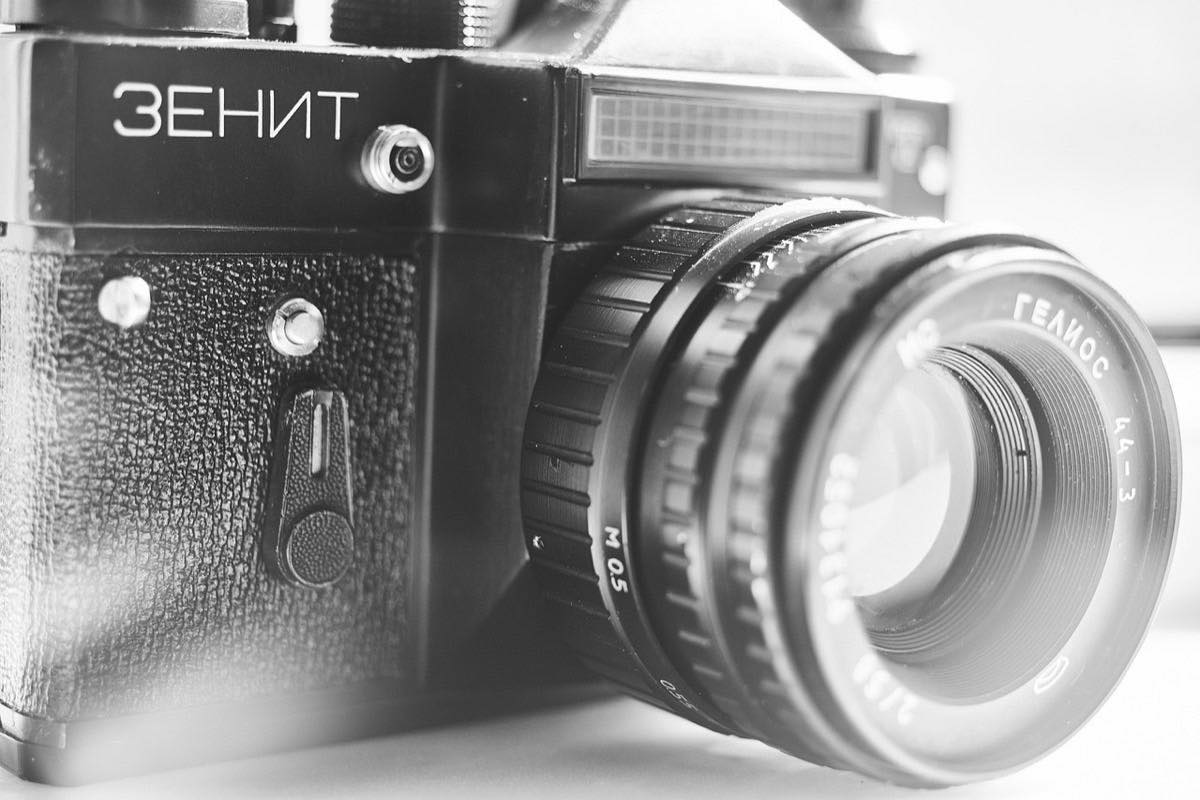
TFP photography (Time For Prints, or in its more current version, Time For Portfolio) is the arrangement where photographer and model collaborate with no payment involved: both contribute time and work in exchange for material for their portfolios. It is a legitimate and widely used tool in fashion, conceptual portraiture and creative projects, but it is also one of the most misunderstood arrangements in the industry, because "free" means different things to each party if it is not defined in writing.
TFP works when both parties get something they really need and can't get any other way at that moment. It fails when one party uses it to get free work disguised as collaboration, or when nobody defined what happens to the photos afterward.
This guide covers when TFP adds real value, how to structure it with a simple written agreement, and the clear signs that you should say no. Like any collaboration that widens your network of contacts, it is worth understanding within a larger strategy of professional relationships, covered in the guide to personal brand development and networking.
When does TFP make sense?
Both parties are starting out and need a portfolio. A new photographer and a new model collaborating generate material neither could pay for yet, and both gain equally.
A specific creative project that neither party would normally charge for. A conceptual idea, an experimental series, an auteur fashion concept: if the project has no client and no budget, TFP is the natural way to make it exist.
Building a working relationship before a paid job. Collaborating without financial pressure first can be the door to paid work later, if the chemistry works.
Expanding a specific genre in your portfolio that you need to attract a certain type of client (for example, fashion or editorial) and that your current clients don't ask you for.
This kind of collaboration fits well within the portfolio-building stage described in photographic style and professional portfolio: the secret to attracting ideal clients, as long as the result yields genuinely marketable pieces, not just volume.
When is it better to say no?
When one of the parties already regularly charges for that type of work. If you are a professional photographer who already charges for portrait sessions and someone proposes TFP for "the same service you sell," they are really asking you for free work under another name.
When the other party contributes nothing equivalent. TFP works in balance: if the model has no experience, doesn't manage their presence or won't share the result, the exchange is unbalanced from the start.
When the project actually has someone else's commercial purposes. If there is a brand, a product to sell or a third party who benefits financially behind it, that work should be quoted, not given away.
When you already receive enough TFP requests and need income. There comes a point in a career when every hour of TFP is an hour you don't bill; at that point "no, thank you" is the professional answer.
When no written agreement is possible. If the other party refuses to sign even a simple one-page agreement, it is a warning sign about how they will handle the result afterward.
The written agreement: the bare minimum
A TFP without a written agreement is the perfect recipe for conflict ("I thought the photos were only mine," "I didn't authorize you to publish them like that"). The document doesn't need to be complex, but it should cover:

Agreement point: Project scope; What it defines: What will be photographed, how many locations/looks, estimated duration
Agreement point: Deliverables; What it defines: How many edited photos each party receives and within what time frame
Agreement point: Use of the images; What it defines: Whether both can publish in a portfolio/social media, with or without tagging the other
Agreement point: Copyright; What it defines: As a rule, the photographer keeps the copyright unless otherwise agreed; the usage license for the model is defined
Agreement point: Shared expenses; What it defines: Who covers transportation, wardrobe, makeup, location if applicable
Agreement point: Image release; What it defines: Explicit consent for the agreed use, signed by both parties
The same principles of a paid work contract apply here, adapted to an exchange with no money involved; you can use as a base the rights-protection logic described in copyright in photography: protection, licenses and contracts, removing the payment sections and leaving the image-rights and usage sections intact.
How do I know if I should accept?
Before saying yes to a TFP proposal, ask yourself three questions:
Does this project fill a real gap in my portfolio or is it just "one more session"? If you already have enough material in that style, your time is worth more elsewhere.
Does the other party have the experience, the commitment and the network to make this collaboration worthwhile? Review their previous work or presence before committing a full day.
Can I afford the time and expenses without affecting my paid operation? TFP shouldn't compete with your schedule of paying clients; book it in the gaps, not at the expense of paid jobs.
If all three answers are positive, go ahead with the written agreement. If any fails, it is better to decline politely than to accept a project that doesn't contribute enough.
Frequently asked questions
Is TFP the same as working for free for a client?
It shouldn't be. TFP is a creative collaboration between peers with no commercial client involved; if a business or brand benefits financially from the result, that is a commission that gets quoted, not a portfolio exchange.
Can I charge a symbolic amount in addition to the exchange of photos?
Yes, it is a common and reasonable practice: covering transportation or materials costs with a symbolic payment while the camera work remains TFP. Define it in writing all the same.
What do I do if, after the TFP, the model asks me to delete the photos?
That is why the prior agreement is indispensable: without it, the dispute is settled by goodwill at best. With a signed agreement that defines the use of the images, both parties know from the start what to abide by.
How much time should I devote to TFP per month?
It depends on your stage: when starting out, it can be an important part of your activity; with an established operation, one or two select projects a month (or fewer) is usually enough to keep creative freshness without sacrificing income.
The page you sign before shooting
TFP is a legitimate tool when both parties need the same thing and get it on equal terms, always with a simple written agreement that defines rights and uses. It becomes a problem when it replaces work you should be charging for or when nobody defined the rules before shooting.
Before your next collaboration, draft the one-page agreement and honestly assess whether it really fills a gap in your portfolio. At Enfogram you will find the 44 photography cards with the exact settings for every situation: print them, carry them with you and shoot with confidence on every project, paid or collaborative.