Photographing Kids: Settings, Light and Patience
A guide to photographing children: fast shutter speeds, continuous AF, natural light and play strategies for candid, sharp portraits.
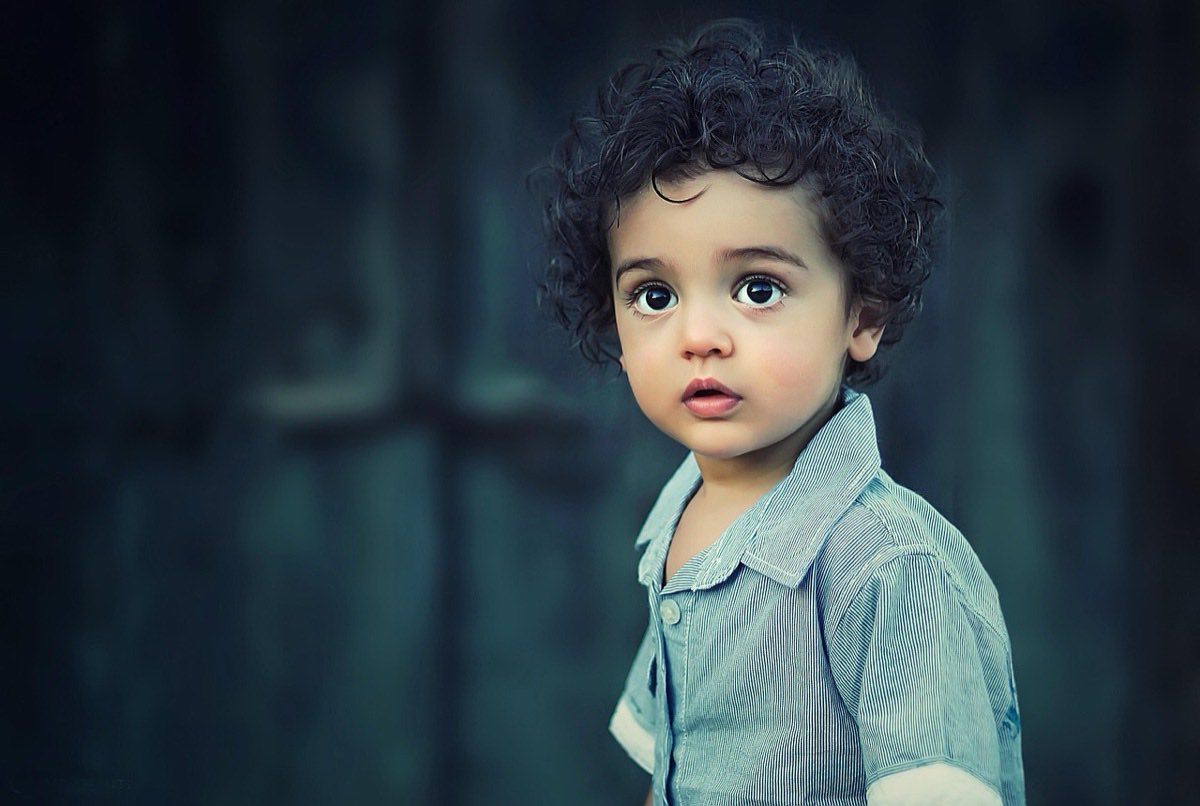
Children don't pose: they live. And that is precisely the magic and the difficulty of photographing kids: the best children's photos are not the ones of the child sitting and smiling at the camera, but the ones of the jump, the belly laugh in the middle of play, the absolute concentration of putting together a puzzle.
Photographing kids is, technically, action photography with portrait rules: you need fast shutter speeds and continuous focus like a sports photographer, but also flattering light and emotional connection like a portrait photographer.
What shutter speed do you need with kids?
A child walking calls for 1/500 s; running or jumping, 1/1000 s or more. That is the first decision and everything else is subordinate to it.
Recommended base setup:
Manual mode with Auto ISO: you fix shutter speed and aperture, and the camera absorbs light changes with ISO. It is the perfect mode for unpredictable subjects.
AF-C (continuous) with face/eye detection and a wide tracking area.
Medium-high burst (6–10 fps): children's expressions last tenths of a second.
Aperture f/2.8 – f/4: enough background blur with a margin of error for focus. Save f/1.8 for quiet moments.
Situation: Quiet portrait (reading, drawing); Shutter speed: 1/250 s; Aperture: f/2; ISO: Auto, cap 3200
Situation: Walking, calm play; Shutter speed: 1/500 s; Aperture: f/2.8; ISO: Auto, cap 3200
Situation: Running, jumping, swing; Shutter speed: 1/1000 s; Aperture: f/3.2; ISO: Auto, cap 6400
Situation: Indoors with window light; Shutter speed: 1/320 s; Aperture: f/1.8; ISO: Auto, cap 6400
Situation: Babies (slow movement); Shutter speed: 1/200 s; Aperture: f/2.2; ISO: Auto, cap 3200
On focus: modern eye detection tracks children's faces surprisingly well, but with very fast kids zone AF-C can be more stable than full tracking. The fundamentals for choosing well are in the focus systems guide.
Where do I put them to get good light?
Kids won't wait for you to set up a three-light scheme. Work with found light and choose the setting well:
Open shade (under a tree, a porch, the shadow of a building): soft light, eyes not squinting and total freedom of movement. It is the perfect outdoor studio.
Window light for interiors: place the play area 1–2 meters from a large window and let the child go about their life there.
Afternoon backlight: golden hair, warm atmosphere. Expose for the face (compensation +0.7 to +1 EV or spot metering) and accept the bright background.
Avoid direct midday sun: harsh shadows and furrowed brows guaranteed.
Direct flash tends to scare or distract the youngest; if you need support indoors, bounce the flash off the ceiling at low power. Understanding how light behaves at each hour, which I develop in depth in natural light and its changes, is worth double when the subject doesn't cooperate.
How do I get real expressions without asking for poses?
With kids you don't direct: you propose play and document it. Strategies that work by age:
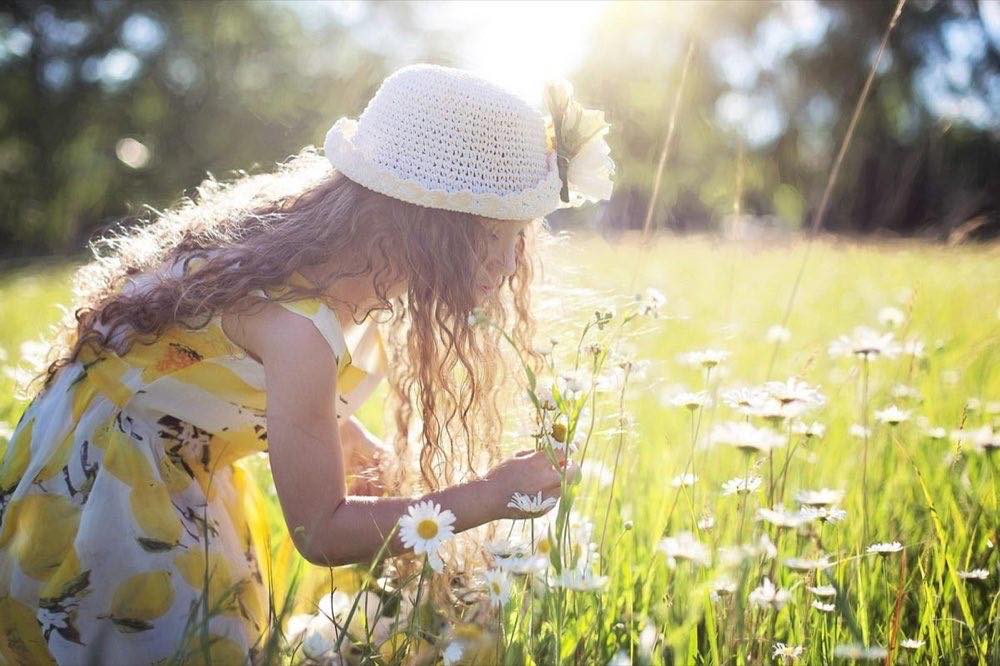
0–2 years: photograph on their turf (the floor). Work during the good hours (after the nap and the meal), sessions of 30–40 minutes at most.
3–6 years: give them missions: "can you jump all the way here?", "show me your favorite toy", "make your monster face". The camera disappears when there is play.
7–12 years: involve them: show them a good photo, let them take one themselves. A child who feels part of the process stops performing for the camera.
Universal rule: get down low. Photographing at their eye level (or lower) transforms the photos from "adult looking at child" into "the child's world." And fill the card without guilt: in children's photography the discard rate is high by nature; burst is your friend.
Composition and moments worth gold
Beyond the portrait looking at the camera, chase these images:
Concentration: the tongue sticking out while building blocks, the frown over the drawing.
Interaction: with siblings, grandparents, pets. Small hands over big hands.
The detail: eyelashes, untied shoes, fingers with paint.
Movement with context: the swing against the sky, the race in the park with room toward where they run.
Leave air in the frame in the direction of movement and gaze, and simplify backgrounds: parks are full of trash cans and parked cars that ruin shots. The principles of dynamic visual composition apply in full to children's photography.
Frequently asked questions
Which lens is best for photographing kids?
A 24-70 mm zoom or a 35 mm prime for close play and interiors; a 70-200 mm or 85 mm to document without invading their space. If you can have only one: 35 mm f/1.8 on APS-C or 50 mm on full frame.
How do I avoid blurry photos of my child indoors?
Raise the shutter speed to at least 1/320 s and let the ISO climb to 3200–6400. Noise is fixed in editing; motion blur isn't. Move closer to windows and turn off mixed lights.
What is the best time for a children's session?
The child's best time, not the light's: rested and fed. If you can align both, the first hour of the morning combines good light and good mood better than sunset, when they are already tired.
What if the child doesn't want to be photographed?
Don't insist: put the camera away, play for ten minutes and try again from a distance with a long focal length. Forcing the session guarantees tense photos and a child who will hate cameras.
The fortieth minute
Photographing kids is accepting that you don't control the session: you control the shutter speed, the light of the setting and your patience. With 1/500 s, continuous AF, open shade and an invitation to play, spontaneous photos stop being luck and become method.
The best images arrive in the fortieth minute, when everyone has forgotten the camera. At Enfogram you will find the 44 photography cards with the exact settings for every situation: print them, carry them with you and shoot with confidence.