Sunrise vs Sunset: Which Light Should You Choose?
Sunrise or sunset photos: the real differences in light, color and atmosphere, which suits each scene, and the settings to use for both.
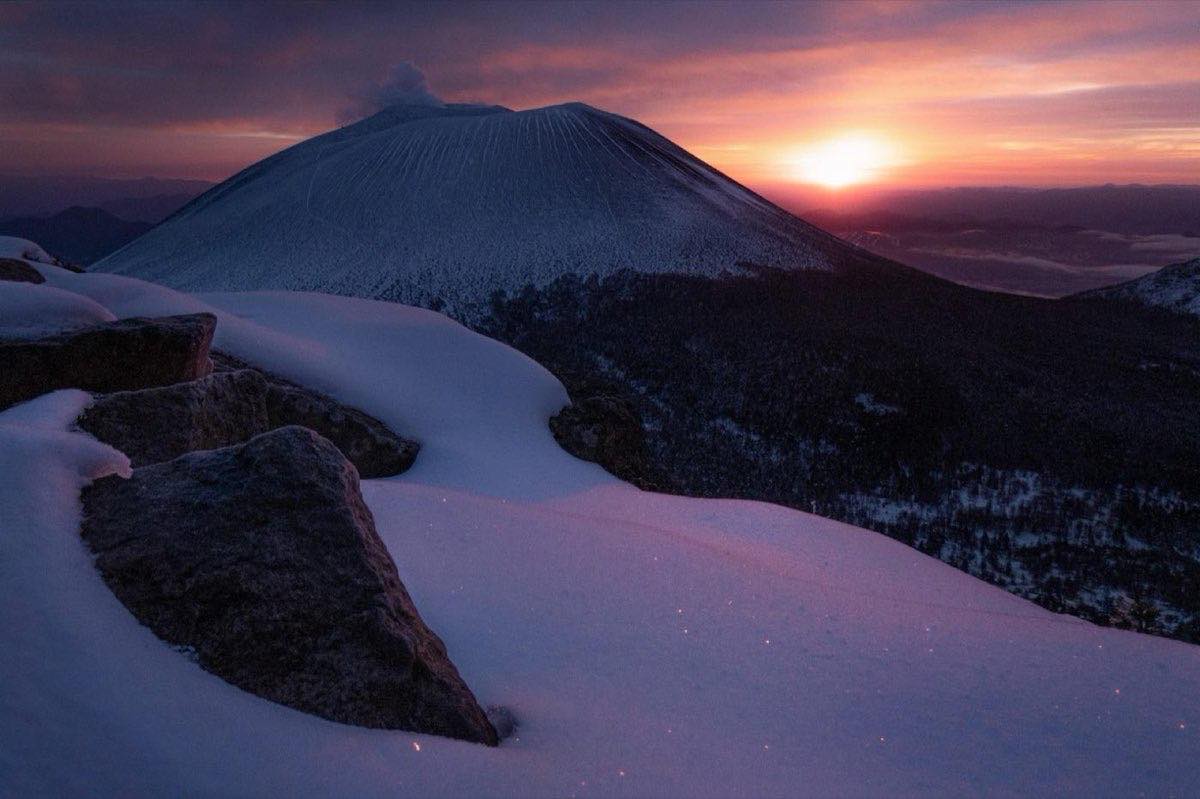
They look symmetrical: low sun, warm light, long shadows. Any landscape photographer knows they are not. Dawn brings calm, fog and reflections; sunset brings deep reds and the advantage of seeing the light coming. The atmosphere, the wind and even the people you will find at the location change from one end of the day to the other.
The physics is the same (the sun passes through more atmosphere and the light arrives warm and low), but the conditions around it are not. Sunrise air comes clean and still after the night; sunset air carries the humidity, dust and thermals of the whole day.
What really changes between dawn and dusk?
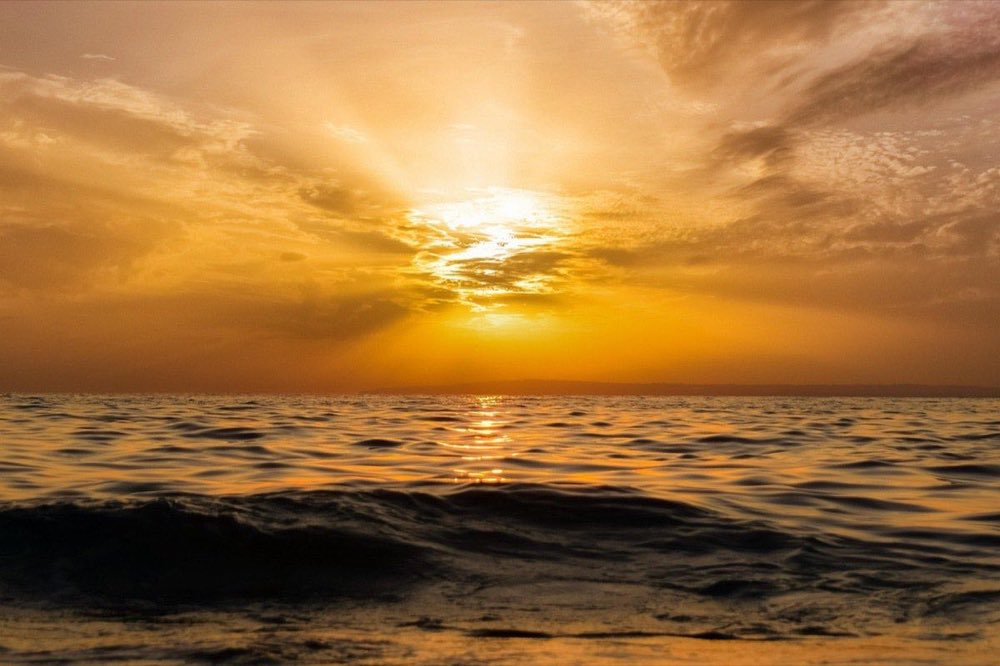
The air. In the early morning the atmosphere is colder, more stable and cleaner: visibility is greater and the light arrives crisper and a little cooler (pale gold, pinks). At sunset, the dust and humidity built up during the day scatter the light more: more intense colors, deep oranges and reds, and hazier horizons.
The wind. Sunrise is usually the calmest moment of the day: mirror-like lakes, still vegetation, untouched fog. At sunset, the afternoon thermals still stir the air, although they usually calm down right as the sun goes down.
The fog. A phenomenon almost exclusive to sunrise: it forms in the early hours in valleys and along rivers and dissolves in the first hours of sun. If your photo needs fog, there is no debate.
The predictability. At sunset you see the light coming: you know whether there are good clouds, whether the sky is promising, and you compose with time to spare. At sunrise you arrive in the dark, compose blind and discover the scene as it happens. Dawn demands more planning and gives more surprises, in both directions.
The solitude. At any popular location you will be alone or nearly so at sunrise; at sunset, in company. For landscapes free of people, getting up early is the cheapest tool there is.
Which moment suits each scene
Lakes and reflections: sunrise, no contest. The calm of dawn gives you the mirror; in the afternoon the wind breaks it.
Fog in valleys and rivers: sunrise. It arrives before the sun comes up, so stay until it dissolves.
West-facing coast (the sun sets over the sea): sunset. East-facing coast: sunrise. Geography decides for you.
Mountains: it depends on the orientation of the face you want lit. Alpenglow works at both ends of the day; study which way your summit faces.
Dramatic skies with glowing clouds: a slight edge to sunset, because the reds are more intense with a loaded atmosphere; but sunrise gives more delicate pinks and magentas.
Cities and streets: sunset and the blue hour that follows, when the city lights come on and balance with the sky.
Wildlife: sunrise, when animal activity is at its peak and the light coincides with it.
Understanding why this low light transforms scenes so much (direction, hardness, color) is the subject of the guide on mastering the basics of natural light, the foundation on which any decision about timing is built.
What settings does each phase of light call for?
At both dawn and dusk, the "golden hour" is really a sequence of phases, each with its own exposure. Exact times change with latitude and season: you can calculate the golden hour and blue hour for your location to plan the session down to the minute.
Phase: Blue hour; When (relative to the sun): 40–20 min before sunrise / after sunset; Starting settings: f/8, ISO 100, 8–30 s, tripod; What to look for: Cool tones, city lights
Phase: Pink twilight; When (relative to the sun): 20–5 min before sunrise; Starting settings: f/8, ISO 100, 1–8 s; What to look for: Glowing high clouds
Phase: Sun on the horizon; When (relative to the sun): ±5 min; Starting settings: f/11, ISO 100, 1/30–1/125 s; What to look for: Backlight, silhouettes, sunstar at f/16
Phase: Full golden hour; When (relative to the sun): 5–40 min after sunrise / before sunset; Starting settings: f/8–f/11, ISO 100, 1/60–1/250 s; What to look for: Raking light, textures, long shadows
Phase: Late golden hour; When (relative to the sun): 40–60 min; Starting settings: f/8, ISO 100, 1/250 s; What to look for: Last usable light, tones still warm
Technical notes for both moments:
Bracket the exposure (±2 EV) when the sun is in the frame: the contrast exceeds any sensor.
White balance set to "Daylight" or a fixed 5500 K: auto neutralizes exactly the warmth you went there to capture.
Don't leave when the sun goes down: the second show (clouds lit from below) arrives 10–25 minutes after sunset. At sunrise, the equivalent is arriving 40 minutes early.
How do I decide which one suits me this week?
Check the orientation: does your scene get the sun head-on from the east or the west? That rules out half the options.
Check the forecast for mid and high clouds: 30–60% high cloud cover is the recipe for glowing skies; a clear sky or total overcast, not so much.
Check the wind: under 10 km/h at dawn promises reflections and fog.
Weigh your energy: a sunset explored today is the best scouting for tomorrow's sunrise. The classic strategy: sunset to get to know the place and compose, sunrise for the serious shot.
For scenes where the sun enters the frame and the contrast skyrockets, the techniques for controlling dynamic range in complex landscapes are the next step, and if your goal is specifically sunset, the guide on how to photograph sunsets step by step covers the full sequence.
Frequently asked questions
Is the color of sunrise and sunset really different?
Yes, subtly but visibly: dawn tends toward pinks, magentas and clean golds because of the cold, clear air; sunset toward saturated oranges and reds because of the day's loaded atmosphere. Neither is "better": they are different palettes.
How much earlier should I arrive at the location?
At sunrise: 45–60 minutes before the sun comes up (you will compose in the dark, bring a headlamp). At sunset: 60–90 minutes before, to scout, compose and capture the golden light beforehand.
What do I do if the sky stays gray and doesn't "explode"?
Work with what is there: the blue hour gives elegant cool tones with long exposures, and soft overcast favors water, forest and minimalism. The "failed" outings often produce the most personal photos.
Is it worth staying after the color disappears?
At sunset, yes: the blue hour that follows plus the first artificial lights is one of the most photogenic moments, especially on the coast and in the city. Bring a tripod and try 15–30 second exposures.
The rule that decides for you
Sunrise and sunset don't compete: they divide the scenes between them. Dawn brings calm, fog and solitude; sunset brings deep reds, comfort and foresight. The orientation of your location and the element you need (reflection, fog, glowing sky) decide for you.
Plan with the exact times, arrive with a margin and stay longer than seems reasonable: the best light lives at the edges. At Enfogram you will find the 44 photography cards with the exact settings for every situation: print them, carry them with you and shoot with confidence.